When Do I Reassess My Budget?
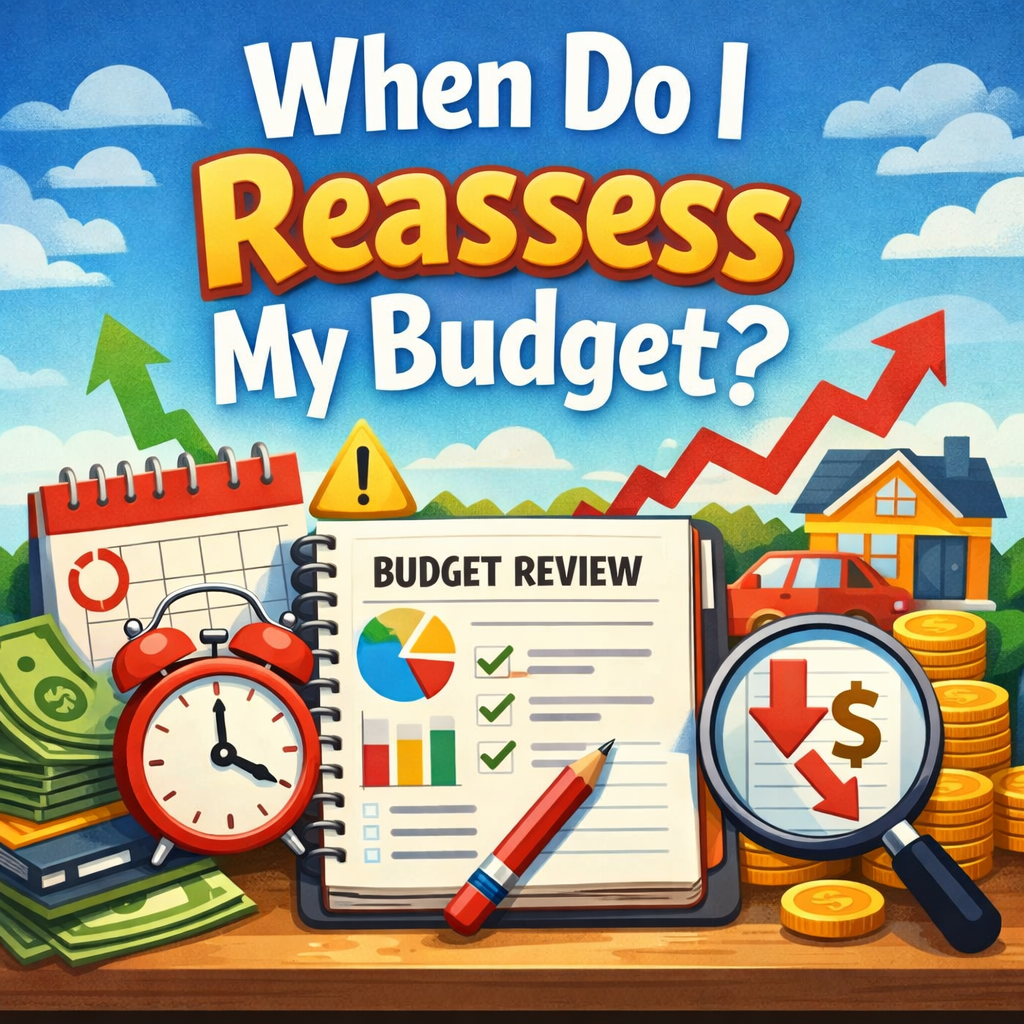
Creating a budget is only half the battle—knowing when to revisit and revise it is what keeps your financial plan relevant and effective. Life doesn't stand still, and neither should your budget. Here are the key moments when it's time to take a fresh look at your financial roadmap.
Major Life Changes
The most obvious trigger for a budget reassessment is a significant life event. Got a new job with a different salary? Your income has changed, and your budget should reflect that. Moving in with a partner, getting married, or going through a divorce fundamentally alters your household finances. Having a child introduces entirely new expense categories, from diapers to childcare to college savings.
Even positive milestones warrant a budget review. Paid off your car loan? That freed-up monthly payment shouldn't just disappear into your checking account—it's an opportunity to redirect those funds toward other financial goals.
When Your Goals Shift
Your budget exists to serve your priorities, and priorities evolve. Maybe you've decided to pursue a graduate degree, start a business, or finally take that trip to Japan you've been dreaming about. Perhaps homeownership has moved from a distant possibility to a near-term goal, requiring you to dramatically increase your savings rate.
When your financial aspirations change, your spending plan needs to change with them. A budget that once made perfect sense can become an obstacle if it's no longer aligned with where you're trying to go.
Regular Check-Ins Matter Too
Beyond major life events, financial experts generally recommend reviewing your budget quarterly, or at a minimum twice a year. These routine check-ins help you catch gradual changes that might otherwise go unnoticed. Subscription services have a way of multiplying. Grocery costs creep up with inflation. Your insurance premiums might have increased at renewal.
A quarterly review lets you spot spending patterns, identify categories where you're consistently over or under budget, and make incremental adjustments before small problems become big ones. Think of it as regular maintenance for your financial health.
When You're Consistently Missing the Mark
If you find yourself regularly overspending in certain categories or constantly moving money around to make things work, that's your budget telling you something isn't right. Rather than feeling guilty about not sticking to an unrealistic plan, use that feedback to create a more practical budget.
Consistently going over on groceries? Maybe your initial estimate was too optimistic. Always dipping into your entertainment fund? Perhaps you need to either increase that category or find less expensive ways to have fun. A budget that doesn't reflect reality isn't serving its purpose.
The Bottom Line
Your budget should be a living document that grows and changes with you. Don't wait for a financial crisis to force your hand. By proactively reassessing your budget during life transitions, when goals shift, and through regular scheduled reviews, you'll keep your financial plan working for you rather than against you.
Remember, adjusting your budget isn't a sign of failure—it's a sign of financial maturity and awareness. The goal isn't perfection; it's progress toward the life you want to build.
Disclaimer: This article is for informational purposes only and should not be considered financial advice. I'm not a financial advisor, and everyone's financial situation is unique. Consider consulting with a qualified financial professional for personalized guidance.
Related Articles

How African Wealth Changed in the Last Decade
The past decade has witnessed a remarkable transformation in Africa's wealth landscape, marked by ex ...