$5M
Estimated Net Worth
As of 2024 • medium confidence
Financial Breakdown
Asset Distribution
Assets vs Liabilities
Assets
Liabilities
Disclaimer: These financial estimates are based on publicly available information and should be considered approximate. Last updated: 12/31/2025
Biography
Introduction: A Visionary Voice in World Cinema
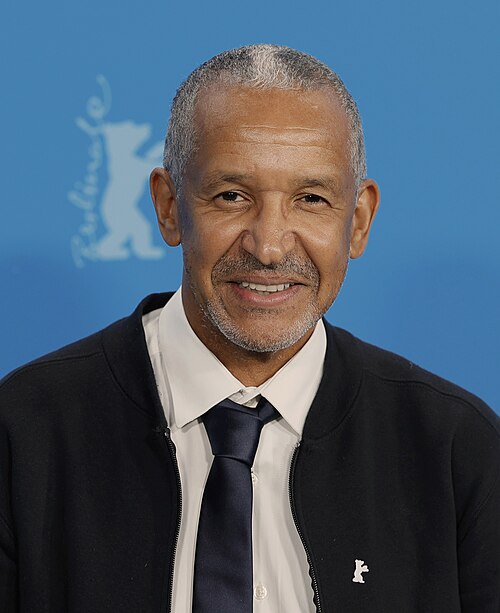
Abderrahmane Sissako stands as one of the most revered and influential auteurs in contemporary world cinema. A Malian director whose work transcends borders, Abderrahmane Sissako is celebrated for his visually stunning, politically astute, and profoundly humanistic films that explore the complexities of the African diaspora, post-colonial identity, and global interconnectedness. His significance in the Arts & Culture landscape is monumental, earning him a place among the great cinematic storytellers of our time. His key achievement, the 2014 masterpiece Timbuktu, not only won the prestigious César Award for Best Film but also garnered an Academy Award nomination for Best Foreign Language Film and triumphed at the Cannes Film Festival, solidifying his status as a Cannes Winner and a global cultural ambassador. Through his lens, the specific stories of Mali and Africa resonate with universal themes of resistance, dignity, and beauty.
Early Life & Education: Forging a Transcontinental Identity
Born on October 13, 1961, in Kiffa, Mauritania, Abderrahmane Sissako's personal history is a tapestry of migration that would deeply inform his artistic perspective. His father was from Mali and his mother from Mauritania, a heritage that instilled in him a pan-African sensibility from birth. When he was seven, his family moved to Mali, his father's homeland, which he considers his native country. This experience of crossing borders and navigating multiple cultural identities became a foundational theme in his filmography.
His educational journey further shaped his cross-continental outlook. In the 1980s, Sissako moved to the Soviet Union to study cinema at the Gerasimov Institute of Cinematography (VGIK) in Moscow. This unique training, far from the traditional film centers of Western Europe or Hollywood, provided him with a distinct aesthetic and narrative framework. It was here that he began to crystallize his cinematic voice, one that would blend European art-house sensibility with African oral storytelling traditions. His early short films, like Le Jeu (1989), already displayed a preoccupation with displacement and observation, themes he would masterfully expand upon in his later feature-length works.
Career & Major Achievements: A Path of Poetic and Political Cinema
The career of Abderrahmane Sissako is marked by a meticulous, deliberate pace, with each film serving as a significant event in international cinema. His feature debut, La Vie sur Terre (1998), was a contemplative letter from a son in Mali to his father in France, reflecting on time, change, and the rhythms of village life. It announced a director of rare poetic patience.
International Breakthrough: Waiting for Happiness
His international breakthrough came with Waiting for Happiness (Heremakono) in 2002. This film, set in a Mauritanian port town, is a poignant mosaic of characters suspended between departure and arrival. Its exquisite cinematography and minimalistic narrative earned it the FIPRESCI Prize at the Cannes Film Festival, firmly establishing Sissako on the world stage as a leading figure in African Arts & Culture.
Political Engagement: Bamako
In 2006, Sissako took a bold, meta-cinematic turn with Bamako. Set in the courtyard of a family home in Mali's capital, the film stages a trial where African civil society prosecutes international financial institutions like the IMF and World Bank for the continent's economic suffering. Featuring a cast that included real lawyers and witnesses, and a cameo by American actor Danny Glover, Bamako was a daring and direct political intervention. It demonstrated Sissako's commitment to using cinema as a platform for urgent social critique, blending fiction with documentary elements to powerful effect.
The Masterpiece: Timbuktu and Cannes Glory
The pinnacle of his career to date is undoubtedly Timbuktu (2014). A response to the brief occupation of the legendary Malian city by jihadist groups in 2012, the film is a breathtakingly beautiful and harrowing account of life under extremist rule. Rather than focusing on violence, Sissako highlights the absurdity and tragedy of the occupation through poetic imagery and quiet acts of resistance—most famously, a forbidden game of imaginary football. Timbuktu premiered at the Cannes Film Festival to a prolonged standing ovation and won the Prize of the Ecumenical Jury and the François Chalais Prize. It went on to win seven César Awards, including Best Film and Best Director, and was nominated for an Oscar, making Abderrahmane Sissako a household name in global cinema.
Personal Life, Legacy, and Cultural Impact
While Abderrahmane Sissako guards his private life closely, his public persona is that of a thoughtful, articulate intellectual deeply committed to the future of African cinema. He splits his time between Mali and France, maintaining a connection to both his roots and the international film community. He is a vocal advocate for the development of film infrastructure and education across Africa, understanding that a sustainable industry requires nurturing new talent.
His legacy is already profound. Sissako has inspired a generation of filmmakers across the continent and the diaspora to tell their stories with artistic ambition and authenticity. He serves as a president or member of prestigious juries at festivals like Cannes, using his influence to spotlight diverse voices. His films are taught in universities worldwide as exemplars of post-colonial cinema and visual poetry. More than just a Director & Cannes Winner, Sissako is a cultural diplomat whose work has reshaped global perceptions of Africa, moving beyond stereotypes to reveal the continent's nuanced realities, enduring spirit, and immense creative power. He represents the very best of Mali's contribution to global Arts & Culture.
Net Worth, Recognition, and Influence
While the exact net worth of Abderrahmane Sissako is not publicly disclosed, his financial success is intertwined with his critical acclaim. As an internationally celebrated auteur, his income derives from film production (often backed by European and pan-African funds), distribution rights, festival prizes, and academic engagements. The commercial and critical success of Timbuktu, which achieved significant box office results in France and beyond, undoubtedly elevated his financial standing and marketability.
His true "business," however, is the business of cultural transformation. Sissako's ventures are artistic and educational. He has been involved in initiatives aimed at preserving African film heritage and fostering co-productions. The value of his work is measured less in monetary terms and more in its immense cultural capital. The awards, honorary doctorates, and his role as a UNESCO Goodwill Ambassador (2008-2014) attest to his stature as an intellectual and artistic leader. For Abderrahmane Sissako, the primary enterprise remains crafting cinematic narratives that challenge, move, and ultimately, connect humanity across imagined divides.
Sources and further reading: The César Awards Academy, Cannes Film Festival archives, interviews from The Guardian and Le Monde, and critical analyses from the African Film Festival, Inc.
Net Worth Analysis
Abderrahmane Sissako is a renowned film director, not a business magnate; his wealth derives from his acclaimed artistic career, not industrial or corporate holdings typical of billionaires on the Forbes list.
Quick Stats
Related People
Abasse Ndione
Novelist & Playwright
Abdel Rahman al-Abnudi†
Poet (Egypt-Sudan)
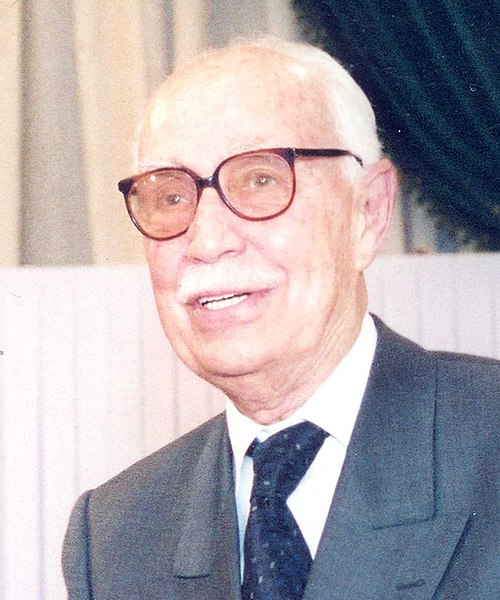
Abdelkrim Ghallab†
Novelist & Journalist
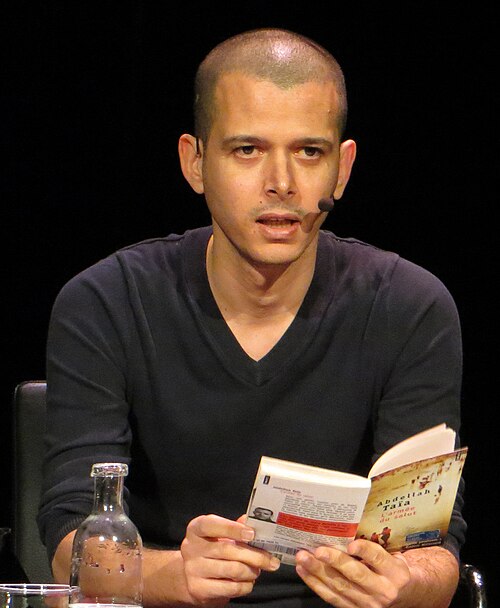
Abdellah Taïa
Novelist & Filmmaker