$10M
Estimated Net Worth
As of 2024 • medium confidence
Financial Breakdown
Asset Distribution
Assets vs Liabilities
Assets
Disclaimer: These financial estimates are based on publicly available information and should be considered approximate. Last updated: 12/29/2025
Biography
Introduction: The Architect of Alternance
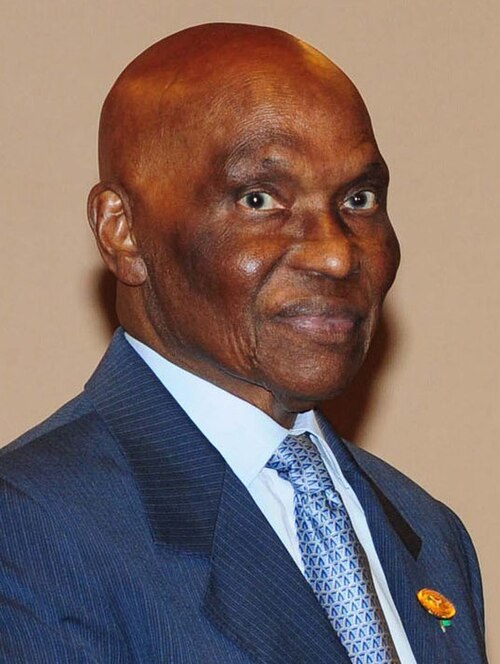
Abdoulaye Wade stands as one of the most pivotal figures in modern Senegalese history. Serving as the Ex-President of Senegal from 2000 to 2012, his rise to power marked a historic moment for the nation. For over a quarter of a century, Abdoulaye Wade was the face of the opposition, challenging the long-ruling Socialist Party. His eventual victory in the 2000 presidential election was celebrated as a peaceful democratic transition, or "alternance," solidifying Senegal's reputation as a stable democracy in West Africa. A lawyer, professor, and seasoned politician, Wade's tenure was defined by ambitious infrastructure projects, a pivotal role in African diplomacy, and a controversial bid for a third term that ultimately shaped his complex legacy in Politics & Government.
Early Life & Education: Foundations of a Statesman
Abdoulaye Wade was born on May 29, 1926, in Kébémer, a town in the Louga Region of what was then French West Africa. His early life was rooted in the Senegalese heartland, providing him with a deep understanding of the country's social fabric. He pursued his education with distinction, first in Senegal and later in France. Wade earned multiple advanced degrees, showcasing his intellectual rigor. He secured a doctorate in law and economics from the University of Grenoble and later a doctorate in law from the University of Paris.
These formative academic years in post-war France exposed him to diverse political ideologies and sharpened his legal mind. He became a respected professor of law and economics, teaching at universities in France and, crucially, at the University of Dakar's Faculty of Law and Economics in Senegal. This career path established him as an intellectual force and allowed him to mentor a generation of Senegalese elites. His academic background profoundly influenced his political philosophy, blending liberal economic ideas with a pan-African vision, which would later become hallmarks of his political platform in Senegal.
Career & Major Achievements: From Opposition to Presidency
Abdoulaye Wade's political career is a testament to perseverance. He entered politics in the early 1970s, founding the Senegalese Democratic Party (PDS) in 1974. For decades, the PDS operated as the principal opposition to President Léopold Sédar Senghor and his successor, Abdou Diouf. Wade ran for president unsuccessfully in 1978, 1983, 1988, and 1993, each time contesting the results but remaining a persistent and vocal critic within the democratic framework.
The Victory of 2000 and the "Sopi" Coalition
The turning point came in the 2000 election. After a first round that forced a runoff, Abdoulaye Wade formed a broad coalition with other opposition figures. He triumphed over incumbent President Abdou Diouf, marking Senegal's first peaceful transfer of power to an opposition leader. His campaign slogan, "Sopi" (Change), resonated deeply with a population eager for new leadership. This victory was his crowning achievement, celebrated across Africa and the world as a democratic milestone.
Presidential Tenure and Key Initiatives
During his two terms, President Wade launched several ambitious projects aimed at modernizing Senegal. His government focused on major infrastructure, most notably the African Renaissance Monument, a colossal statue in Dakar that sparked both admiration for its ambition and controversy over its cost. He oversaw significant road construction, the creation of new universities, and the "Plan REVA" (Return to Agriculture) aimed at boosting the agricultural sector.
In foreign policy, Abdoulaye Wade was an active proponent of African integration. He played a key mediating role in crises in Madagascar, Côte d'Ivoire, and Mauritania. He was also a founding proponent of NEPAD (New Partnership for Africa's Development) and advocated strongly for the creation of the United States of Africa, a concept championed by Libya's Muammar Gaddafi.
Controversy and the Third-Term Bid
Wade's later years in office were marred by rising public discontent over economic hardships, allegations of corruption, and his efforts to secure a third term. Despite a constitutional two-term limit, he argued that his first term predated the 2001 constitution and thus he was eligible to run again in 2012. This move triggered massive protests across Senegal. Although he came first in the initial round, he lost in a dramatic runoff to his former protégé, Macky Sall, conceding defeat and leaving office in April 2012. This peaceful exit, despite the preceding turmoil, was seen as reaffirming Senegal's democratic resilience.
Personal Life & Legacy: The Professor-President
Abdoulaye Wade is known for his scholarly demeanor and is often referred to as "the Professor." He is a prolific author, having written numerous books on law, economics, and politics. He married Viviane Wade, a French-born Senegalese, and the couple had two children, Karim and Sindjely. His son, Karim Wade, held several ministerial positions during his presidency, a fact that led to allegations of dynastic politics.
The legacy of Abdoulaye Wade is multifaceted. He is indelibly credited with breaking the 40-year hold of the Socialist Party and demonstrating that Executive Presidency in Senegal could change hands democratically. His "Sopi" movement initially embodied hope for transparency and economic progress. However, his legacy is also weighed down by the controversies of his second term, including the perceived concentration of power and the contentious third-term bid. Historians view him as a crucial bridge in Senegal's political evolution—a figure who both deepened democratic practice and exposed its vulnerabilities. His impact on the nation's infrastructure and his vigorous African diplomacy remain significant parts of his story.
Net Worth & Business Ventures
While precise figures are not publicly verified, the net worth of Abdoulaye Wade and his family has been a topic of significant public and media speculation, particularly following his presidency. As a long-serving professor, lawyer, and politician, he accumulated wealth through professional salaries and book royalties. However, the most intense scrutiny has focused on the wealth of his son, Karim Wade, who was convicted in 2015 for illicit enrichment, a verdict that was later overturned. The family's assets, including real estate in Dakar and abroad, have often been cited by critics alleging corruption. Abdoulaye Wade himself has consistently denied any wrongdoing, framing such accusations as political persecution. His financial profile remains emblematic of the broader debates about governance and accountability that marked his later years in office.
For further reading on the political history of Senegal, you can visit resources like the Encyclopædia Britannica or official African Union archives on NEPAD.
Net Worth Analysis
Estimates based on his long political career and known assets, but no credible public source lists him as a billionaire; wealth is typically reported in the millions.
Quick Stats
Related People
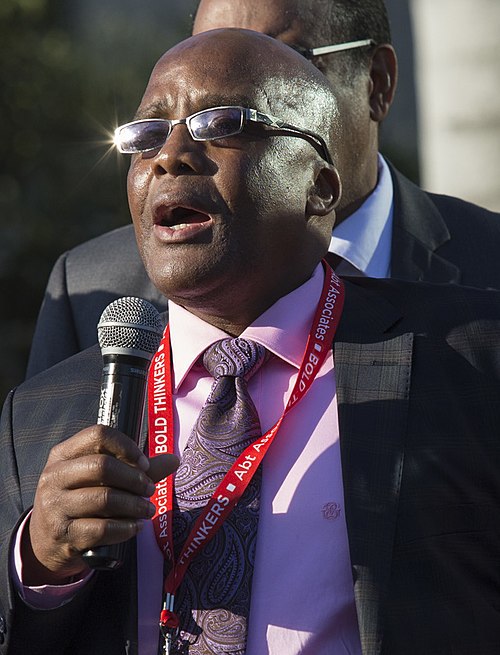
Aaron Motsoaledi
LP; Minister of Home Affairs
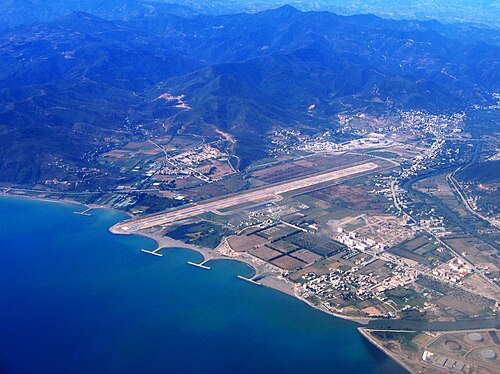
Abane Ramdane†
FLN Leader & Strategist
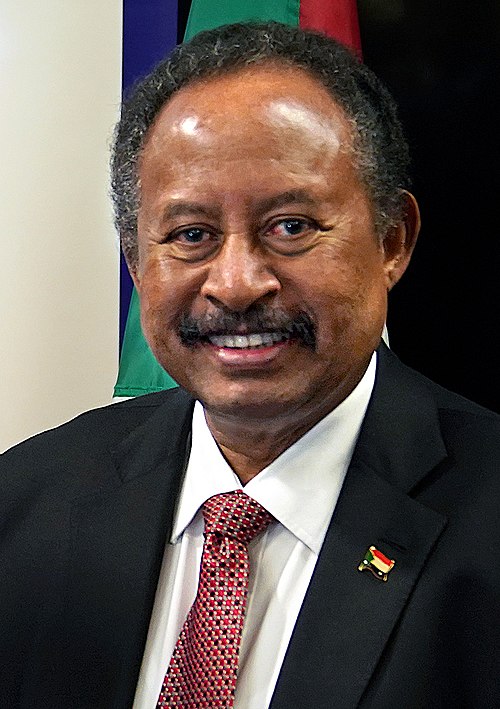
Abdalla Hamdok
Ex-Prime Minister
Abdallah Kigoda
Ex-Minister of Natural Resources