
Biography
Introduction: The Architect of a Nation
Aden Abdullah Osman Daar, universally known as Aden Adde†, stands as a monumental figure in the modern history of the Horn of Africa. As the First President (1960-1967) of the newly independent Somali Republic, his leadership was pivotal in navigating the fragile union of the former British Somaliland and Italian Somaliland. His tenure, from July 1, 1960, to June 10, 1967, defined the Independence Era of Somalia, a period marked by hope, democratic experimentation, and the immense challenge of nation-building. Aden Adde† is celebrated not only for his role in achieving sovereignty but also for his profound commitment to democratic principles, most notably demonstrated when he peacefully conceded electoral defeat in 1967—a rare and dignified act in post-colonial African Politics & Government. This biography explores the life, achievements, and enduring legacy of the man who helped birth a nation.
Early Life & Education: Forging a Leader
Aden Abdullah Osman Daar was born in 1908 in the town of Beledweyne, situated in the Hiran region of central Somalia, then part of Italian Somaliland. His early years were shaped by the pastoral and agricultural life of the interior, giving him a deep connection to the land and its people. Orphaned at a young age, Aden Adde† was raised by relatives, an experience that instilled in him resilience and self-reliance from an early age. His pursuit of formal education was a testament to his determination. He attended elementary schools in both Beledweyne and Mogadishu, the capital.
Unlike many independence leaders who were educated abroad, Adde's formative education was primarily local, though he pursued professional training in the field of civil administration. He worked for the Italian colonial government as a clerk and interpreter, gaining firsthand insight into the mechanics of administration and governance. This experience, while under colonial rule, provided him with a practical understanding of bureaucracy that would later prove invaluable. His formative years were not marked by radical militancy but by a steady, pragmatic engagement with the systems of the day, all while nurturing a strong nationalist sentiment. This blend of grassroots understanding and administrative acumen uniquely positioned him for the political challenges that lay ahead in the struggle for a unified, independent Somalia.
Career & Major Achievements: Steering the Ship of State
Aden Adde's political career accelerated in the 1950s as the movement for independence gained momentum. He was a founding member of the Somali Youth League (SYL), the territory's first major political party, which became the vanguard of the nationalist cause. His moderate and conciliatory demeanor made him a respected figure capable of bridging clan and regional divides. In 1956, he was elected President of the Legislative Assembly of Italian Somaliland, a crucial role in the transition to self-rule.
The Pinnacle: Presidency and Unification
His defining moment came on July 1, 1960. Following the independence and unification of British Somaliland and Italian Somaliland, the new National Assembly elected Aden Adde† as the First President (1960-1967) of the Somali Republic. His election was a consensus choice, reflecting trust in his integrity and unifying potential. His presidency was characterized by several key initiatives and challenges:
- Democratic Foundation: He presided over a multi-party democratic system, with Prime Minister Abdirashid Ali Shermarke heading the government. This period saw vibrant political debate and a free press.
- Foreign Policy of Non-Alignment: In the thick of the Cold War, Adde skillfully pursued a policy of non-alignment, seeking economic and military aid from both Western and Eastern blocs without committing Somalia to either sphere, thus maintaining national sovereignty.
- "Greater Somalia" Policy: His administration actively promoted the irredentist goal of unifying all Somali-inhabited territories in the Horn of Africa (in Kenya, Ethiopia, and Djibouti), a policy that defined Somali foreign relations but also created regional tensions.
- Peaceful Transition of Power: His most celebrated achievement occurred at the end of his term. In the 1967 presidential elections, he lost to his former Prime Minister, Abdirashid Ali Shermarke. Aden Adde† accepted the defeat gracefully, delivering a heartfelt concession speech and transferring power peacefully. This act cemented his legacy as a true democrat.
Despite these successes, his presidency faced immense hurdles: managing clan expectations, a weak economy reliant on livestock exports, and the logistical nightmare of integrating two territories with different colonial administrative, legal, and educational systems. His leadership, however, provided seven years of relative stability and constitutional order.
Personal Life, Legacy & Later Years
Known for his modest and humble lifestyle, Aden Adde† was often called "Aden the White" for his beard and his perceived purity of character. He was deeply religious and maintained a reputation for personal honesty and austerity, which stood in stark contrast to the corruption that would later plague Somali politics. After leaving office, he remained a respected elder statesman. Following the military coup of 1969 led by Siad Barre, he was initially placed under house arrest for several years due to his unwavering democratic stance and enduring popularity, which the new regime saw as a threat.
The legacy of Aden Adde† is multifaceted. He is revered as the "Father of the Nation," the man who symbolized the hopeful dawn of independence. His commitment to democratic process, culminating in his graceful exit from power, established a benchmark for political conduct that, though often unfulfilled, remains an ideal in Somali collective memory. The Aden Adde International Airport in Mogadishu is named in his honor, a permanent physical testament to his foundational role. In a region and a continent where many first presidents became autocrats, Aden Adde†’s story is one of principled, if challenged, democratic leadership. His life and career offer critical lessons in the Politics & Government of nascent states, emphasizing the importance of integrity, unity, and constitutionalism.
Net Worth & Business Ventures
Unlike many heads of state, Aden Adde† was not known for amassing personal wealth or engaging in significant private business ventures. His financial standing was largely tied to his public service career. Before independence, his income derived from his clerical and administrative roles within the Italian colonial administration. As President, his wealth would have been confined to the official salary and benefits of the office, which during Somalia's early years were modest. His post-presidential years, especially under house arrest during the Barre regime, were not conducive to wealth accumulation. His legacy is one of public service rather than financial success. He is remembered for his personal austerity and is often cited as an example of a leader who left office with little more than he entered with, his "wealth" lying in the respect of his people and his historic role as the nation's first president. This stands as a significant part of his enduring reputation in Somali history.
Sources: Historical accounts of Aden Adde†'s life and presidency are documented in scholarly works on Somali history, including I.M. Lewis's "A Modern History of the Somali" and various United Nations and African historical archives. His role in the peaceful transfer of power is widely recorded in contemporary diplomatic reports and African political studies.
Frequently Asked Questions
What is Aden Adde†'s estimated net worth?
Net worth details for Aden Adde† are currently being updated.
What is Aden Adde†'s role and nationality?
Aden Adde† is a First President (1960-1967) from Somalia.
How did Aden Adde† make their money?
Aden Adde† built their fortune primarily through Aden Adde was a political leader who served as Somalia's first president from 1960 until his death in 2007, and there is no credible information or public record suggesting he accumulated significant personal wealth from his public service..
How old is Aden Adde†?
Aden Adde† was born in 1908 (118 years old).
Which category is Aden Adde† listed under?
Aden Adde† is featured under the Politics & Government category on NetWorth Africa.
How is Aden Adde†'s net worth calculated?
NetWorth Africa estimates financial valuations using publicly available stock equity holdings, company ownership records, real estate assets, and verified market data.
Net Worth Analysis
Aden Adde was a political leader who served as Somalia's first president from 1960 until his death in 2007, and there is no credible information or public record suggesting he accumulated significant personal wealth from his public service.
Quick Stats
Related People
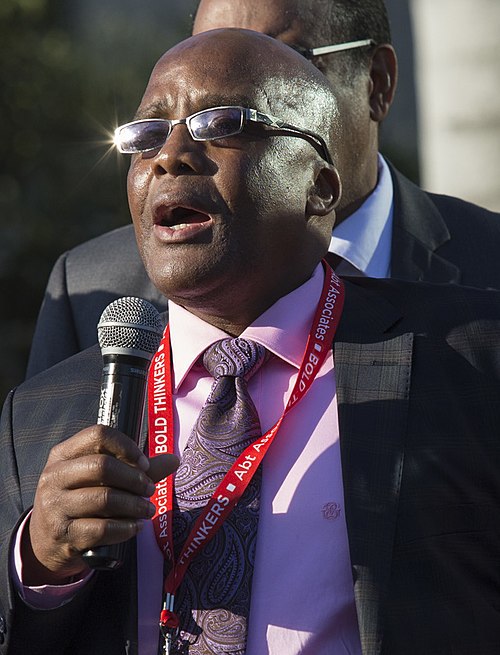
Aaron Motsoaledi
LP; Minister of Home Affairs • South Africa
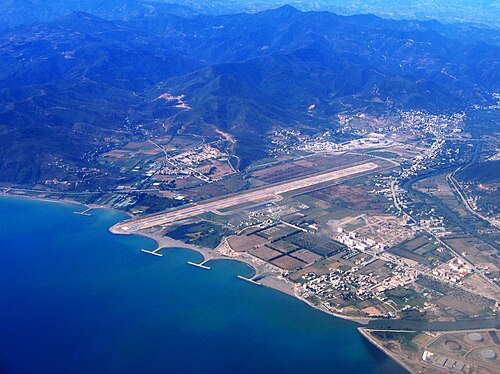
Abane Ramdane†
FLN Leader & Strategist • Algeria
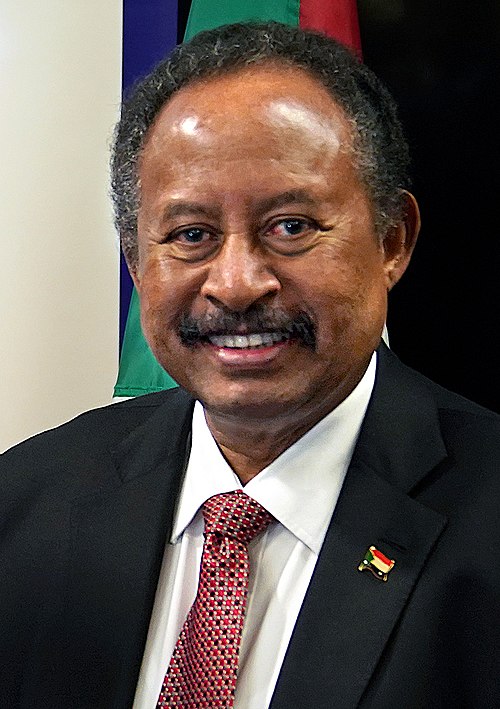
Abdalla Hamdok
Ex-Prime Minister • Sudan
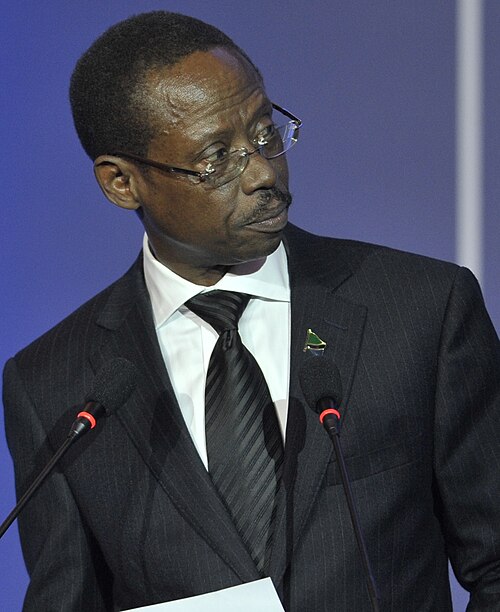
Abdallah Kigoda
Ex-Minister of Natural Resources • Tanzania