$100M
Estimated Net Worth
As of 2024 • medium confidence
Biography
Introduction: A Key Figure in Modern Libyan Politics
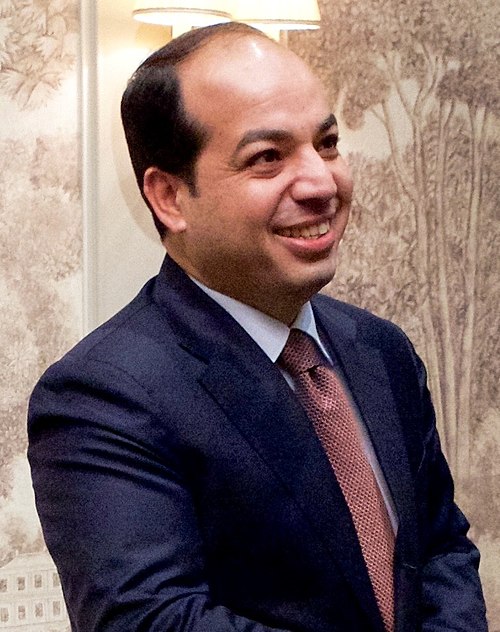
Ahmed Maetig is a prominent Libyan businessman and politician who rose to national prominence during one of the most turbulent periods in his country's modern history. He is best known for his service as the Deputy Prime Minister of Libya, a role he assumed in the internationally recognized Government of National Accord (GNA). His tenure placed him at the heart of Libya's executive cabinet during critical attempts to stabilize the nation following the 2011 revolution and the ensuing civil conflict. As a figure bridging the worlds of commerce and Politics & Government, Ahmed Maetig played a significant, though often complex, role in efforts to foster economic recovery and political dialogue. His journey from the private sector to the upper echelons of power encapsulates the challenges of governance in a fractured state, making his career a noteworthy chapter in contemporary Libyan affairs.
Early Life and Education: Foundations in Misrata
Ahmed Maetig was born in 1968 in the city of Misrata, a major port and commercial hub on Libya's Mediterranean coast. Growing up in this influential city, known for its strong mercantile traditions and resilient community, undoubtedly shaped his future business acumen and political networks. The Maetig family is well-established in Misrata, with ties to commerce and local leadership, providing Ahmed Maetig with a foundational understanding of both economic and social dynamics within Libyan society.
His educational path was geared toward business and management. He pursued higher education in the United Kingdom, earning a degree in Business Administration. This international education exposed him to global business practices and economic principles, which he would later apply in his entrepreneurial ventures in Libya. Prior to the 2011 revolution, Ahmed Maetig built a successful career in the private sector, focusing on import-export, manufacturing, and investment. His business success, particularly within his powerful hometown of Misrata, established him as a figure of substantial economic influence, a platform that would later facilitate his entry into national Politics & Government.
Career and Major Achievements: From Business to the Executive Cabinet
The fall of Muammar Gaddafi in 2011 created a power vacuum and a urgent need for new leadership. Ahmed Maetig transitioned from business into politics, leveraging his Misratan base and economic expertise. His political ascent was rapid. He was elected as a member of the General National Congress (GNC), Libya's transitional parliament, representing Misrata. Within the GNC, he aligned with the Islamist-leaning Justice and Construction Party, though he maintained an identity as a pragmatic businessman.
Controversial Premiership Bid and Deputy Prime Minister Role
In 2014, Ahmed Maetig was at the center of a major political crisis when he was elected Prime Minister by the GNC. However, this election was mired in controversy over procedural irregularities and was contested by opponents, leading to a parallel government. This confrontation deepened Libya's political split. Ultimately, he stepped aside from the premiership claim in the interest of reducing tensions, a move noted by observers.
His most significant official role came with the formation of the UN-backed Government of National Accord (GNA) in 2016. As Libya's political factions agreed to the Libyan Political Agreement, Ahmed Maetig was appointed Deputy Prime Minister under Prime Minister Fayez al-Sarraj. In this capacity within the executive cabinet, his portfolio often focused on economic affairs, development projects, and engaging with the private sector to address Libya's severe financial challenges, including liquidity crises and reconstruction needs.
Key Initiatives and Impact
During his tenure, Ahmed Maetig was involved in several critical initiatives:
- Economic Stabilization: He worked on plans to revive Libya's economy, heavily dependent on oil, by addressing issues in the banking sector and advocating for the unification of the country's divided financial institutions.
- Infrastructure and Reconstruction: Given his background, he emphasized the importance of rebuilding Libya's infrastructure, particularly in war-damaged cities like his hometown of Misrata, which served as a key logistical and economic center.
- Political Mediation: As a politician from Misrata—a city with powerful militias—Ahmed Maetig often acted as an intermediary between various armed groups and the political government, a delicate and essential task for maintaining fragile stability.
His time in office was defined by the extreme difficulty of governing a country divided between east and west, with competing governments and militias. While the GNA struggled to assert full authority, Ahmed Maetig's role was emblematic of the attempt to integrate business-minded pragmatism into the chaotic arena of post-revolution Libyan politics.
Personal Life, Legacy, and Lasting Impact
Outside of the high-stakes world of Libyan politics, Ahmed Maetig is known as a family man and a devout Muslim. He maintains a low-profile personal life, especially given the security concerns facing high-profile Libyan figures. His interests remain tied to business and economic development, and he is seen by many as a representative of the influential Misratan commercial class that gained significant political power after 2011.
Assessing the legacy of Ahmed Maetig is intertwined with assessing Libya's rocky transition. He is viewed through contrasting lenses: as a pragmatic figure who tried to bring economic sense to a fractured government, and as a partisan player in the complex web of Libyan factionalism. His lasting impact lies in his embodiment of the shift from revolutionary to governance phases, where economic managers were desperately needed. His efforts, though hampered by the national conflict, highlighted the critical need for economic unity and private sector engagement in any future stable Libya. Whether his legacy will be that of a bridge-builder or a product of division largely depends on the future trajectory of the Libyan state he sought to help govern.
Net Worth and Business Ventures
Ahmed Maetig's financial standing is rooted in his successful pre-political business career. While exact figures of his net worth are not publicly verified and are subject to estimation, it is widely acknowledged that he accumulated significant wealth through his diverse business holdings. His ventures spanned several key sectors of the Libyan economy, including:
- Import-Export and Trade: Leveraging Misrata's port, his businesses were involved in the import of goods and materials vital to the Libyan market.
- Manufacturing and Industry: He had investments in local production and industrial projects within Libya.
- Investment and Finance: His portfolio included strategic investments across different economic areas.
This commercial success provided the foundation for his political influence, a common trajectory in post-Gaddafi Libya. It also meant his approach in the executive cabinet was often framed through the lens of economic practicality. However, the intersection of substantial private wealth and public office also attracted scrutiny and criticism from political opponents, a challenge faced by many businessman-politicians in transitional contexts. His business acumen remains a defining aspect of his public profile, separate from his political title as Ex-Deputy Prime Minister.
This biography of Ahmed Maetig is compiled for informational purposes, drawing from reputable news sources and public records documenting modern Libyan Politics & Government. For further reading, consult archives from major international news agencies and UN reports on Libya.
Net Worth Analysis
As a former Deputy Prime Minister of Libya with a background in business, his wealth is estimated to be in the tens to low hundreds of millions, but he is not listed on major billionaire rankings.
Quick Stats
Related People
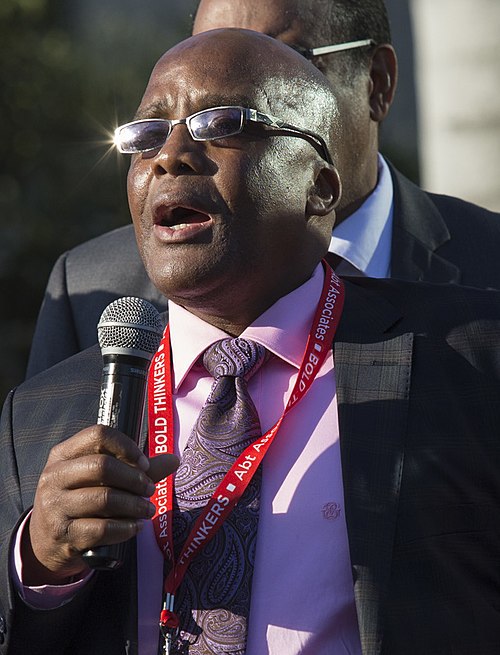
Aaron Motsoaledi
LP; Minister of Home Affairs
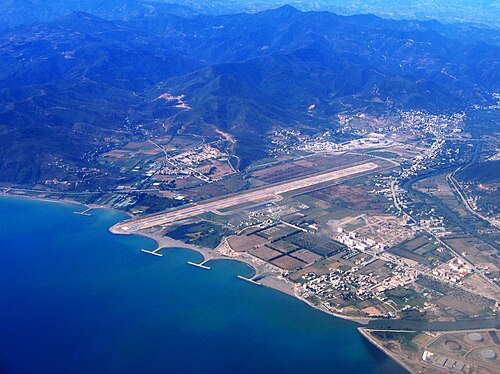
Abane Ramdane†
FLN Leader & Strategist
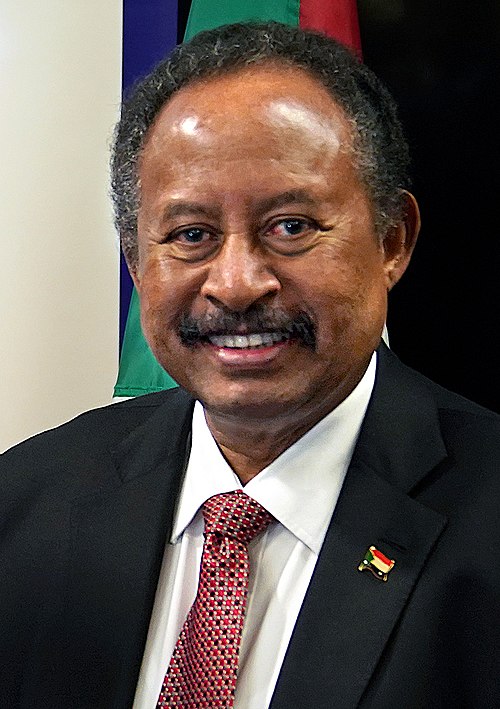
Abdalla Hamdok
Ex-Prime Minister
Abdallah Kigoda
Ex-Minister of Natural Resources