Financial Breakdown
Asset Distribution
Assets vs Liabilities
Assets
Disclaimer: These financial estimates are based on publicly available information and should be considered approximate. Last updated: 12/29/2025
Biography
Introduction: The Bridge to a New Era
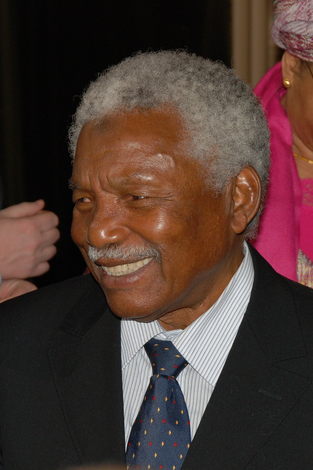
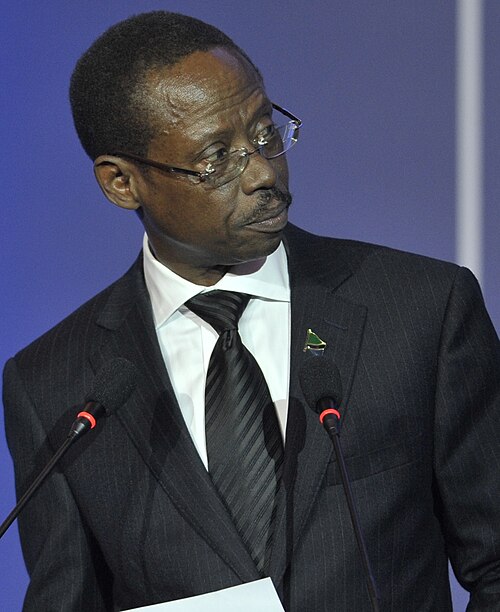
Ali Hassan Mwinyi stands as a pivotal figure in the modern political history of Tanzania. Serving as the nation's second President from 1985 to 1995, Mwinyi is widely recognized for his pragmatic leadership during a critical period of economic transition. Often referred to as "Mzee Ruksa" (Swahili for "Mr. Permission"), his tenure was defined by the cautious but decisive shift away from the strict socialist policies of his predecessor, Julius Nyerere. Mwinyi's administration initiated economic liberalization, opening Tanzania to foreign investment and market forces, which set the stage for the country's future growth. His presidency acted as a crucial bridge between the foundational Ujamaa era and the more market-oriented Tanzania of the late 20th century, making him an indispensable subject in the study of Tanzanian Politics & Government.
Early Life & Education: Foundations of Service
Ali Hassan Mwinyi was born on May 8, 1925, in the coastal town of Kivure, located in the Tanga Region of what was then British-administered Tanganyika. His early life was rooted in the coastal Swahili culture and Islamic faith, which would later inform his calm and consensual leadership style. His educational journey began in local Koranic and primary schools before he advanced to secondary education.
Mwinyi's pursuit of knowledge took him abroad for teacher training. He attended the prestigious Makerere University College in Kampala, Uganda, where he earned a Diploma in Education. Furthering his studies, he traveled to the United Kingdom, attending the University of Durham's Institute of Education. This solid educational background equipped him not as a career politician initially, but as an educator and civil servant. Upon returning to Tanganyika, he dedicated himself to teaching, a profession highly respected in the build-up to independence. These formative experiences in education instilled in him a patient, instructive approach to governance, which became a hallmark of his later political career in Tanzania.
Career & Major Achievements: From Educator to Executive
Ali Hassan Mwinyi's entry into public service was gradual. After years in education, he transitioned into government roles. His reliability and competence saw him appointed as Permanent Secretary in various ministries throughout the 1960s and early 1970s. His first major political office came in 1970 when he was appointed as the Minister of State in the Vice President's Office. Mwinyi's steady rise continued with key portfolios, including Minister of Health and Minister of Home Affairs.
Vice Presidency and Ascension to the Highest Office
A significant turning point came in 1984 when President Julius Nyerere appointed him as Vice President of the United Republic of Tanzania. This role positioned him as the natural successor. When Nyerere voluntarily stepped down in 1985, a monumental event in African politics, Ali Hassan Mwinyi was elected as President under the banner of the ruling Chama Cha Mapinduzi (CCM) party. He was re-elected in 1990, serving a full decade in office.
Economic Liberalization and Political Reforms
Mwinyi's presidency is most celebrated for his economic policies. Inheriting an economy strained by the failures of collective Ujamaa agriculture and global oil shocks, he launched the Economic Recovery Programme (ERP) in 1986. Key achievements under his leadership include:
- Trade Liberalization: Loosening state control over imports and exports, allowing a more vibrant private sector to emerge.
- Currency Adjustment: Devaluing the overvalued Tanzanian shilling to reflect market realities and boost exports.
- Encouraging Foreign Investment: Passing new laws to attract foreign capital, which had been largely absent during the height of socialism.
- Relaxation of Social Controls: Easing restrictions on private enterprise and allowing a wider range of goods, including previously banned items, to be sold legally.
Politically, his era saw the introduction of a multi-party system in 1992, following a national commission. While the CCM remained dominant, this move began Tanzania's formal journey towards pluralistic democracy. His foreign policy maintained Nyerere's legacy of regional stability, playing a key role in mediating conflicts and supporting the liberation movements in Southern Africa.
Personal Life, Legacy, and Lasting Impact
Known for his modest and unassuming demeanor, Ali Hassan Mwinyi was a devout Muslim whose faith guided his personal conduct. He was married to Siti Mwinyi, and together they had children, some of whom have followed paths in Tanzanian public service. Even after retiring from the presidency in 1995, he remained a respected elder statesman, often consulted for his wisdom and experience.
The legacy of Ali Hassan Mwinyi is deeply intertwined with Tanzania's economic modernization. While his reforms were sometimes criticized for leading to increased corruption and economic hardship in the short term, historians largely agree that they were necessary corrections that prevented total economic collapse. He managed a delicate balancing act—implementing tough economic medicine while maintaining national unity and social peace. His leadership demonstrated that ideological pragmatism could succeed in the Executive Presidency. Today, Tanzania's status as a stable and growing economy in East Africa owes a significant debt to the foundational shifts undertaken during the Mwinyi years. He passed away on February 29, 2024, at the age of 98, leaving behind a nation that had been fundamentally shaped by his decade at the helm.
Net Worth & Post-Presidential Life
Unlike many of his contemporaries in the region, Ali Hassan Mwinyi was not associated with vast personal wealth or extravagant business ventures. His financial profile was consistent with a career spent almost entirely in public service, first as a teacher and civil servant, then as a government minister and president. In the context of Tanzanian Politics & Government, he was perceived as a leader of modest means, which bolstered his reputation for integrity relative to the "ruksa" (permission) era's perceived increase in graft.
Following his presidency, he lived a relatively quiet life. There is no public record of significant business holdings or ventures that would have generated a substantial net worth. His post-presidential contributions were primarily advisory and philanthropic in nature, focusing on social and religious causes within his community. His legacy is one of service rather than financial accumulation, a point often highlighted in assessments of his character and tenure as Ex-President of Tanzania.
Frequently Asked Questions
What is Ali Hassan Mwinyi's estimated net worth?
Ali Hassan Mwinyi has an estimated net worth of $5.0 Million.
What is Ali Hassan Mwinyi's role and nationality?
Ali Hassan Mwinyi is a Ex-President of Tanzania from Tanzania.
How did Ali Hassan Mwinyi make their money?
Ali Hassan Mwinyi built their fortune primarily through As a former public servant with no known major business interests, his wealth is estimated based on presidential pension and typical assets for a retired statesman in Tanzania..
How old is Ali Hassan Mwinyi?
Ali Hassan Mwinyi was born in 1925 (101 years old).
Which category is Ali Hassan Mwinyi listed under?
Ali Hassan Mwinyi is featured under the Politics & Government category on NetWorth Africa.
How is Ali Hassan Mwinyi's net worth calculated?
NetWorth Africa estimates financial valuations using publicly available stock equity holdings, company ownership records, real estate assets, and verified market data.
Net Worth Analysis
As a former public servant with no known major business interests, his wealth is estimated based on presidential pension and typical assets for a retired statesman in Tanzania.
Quick Stats
Related People
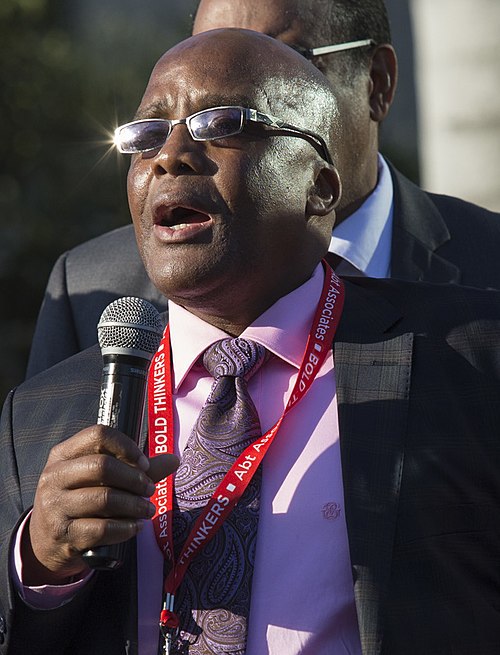
Aaron Motsoaledi
LP; Minister of Home Affairs • South Africa
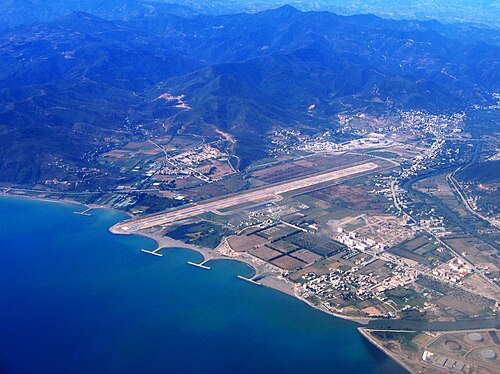
Abane Ramdane†
FLN Leader & Strategist • Algeria
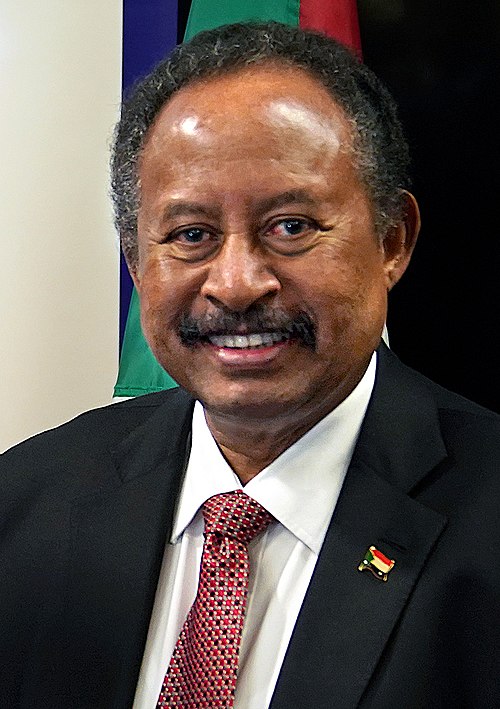
Abdalla Hamdok
Ex-Prime Minister • Sudan
Abdallah Kigoda
Ex-Minister of Natural Resources • Tanzania