Financial Breakdown
Asset Distribution
Assets vs Liabilities
Assets
Disclaimer: These financial estimates are based on publicly available information and should be considered approximate. Last updated: 12/29/2025
Biography
Introduction: The Transitional Leader
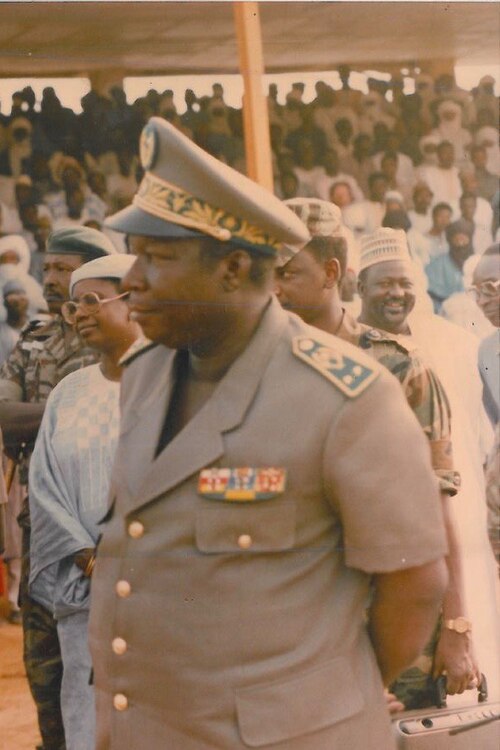
General Ali Saibou† stands as a pivotal figure in the modern political history of Niger. Serving as the Ex-President of Niger from 1987 to 1993, he is best remembered for his crucial role in steering the West African nation through a period of profound political change. Following the sudden death of the long-ruling Seyni Kountché, Ali Saibou assumed power, initially continuing the military-led governance of his predecessor. However, his most significant achievement emerged from his response to mounting domestic and international pressure for reform. In a move that distinguished him from many of his contemporaries on the continent, Ali Saibou orchestrated a relatively peaceful transition from a one-party military state to a multi-party democracy. His tenure, marked by the adoption of a new constitution and the holding of competitive elections, set a foundational precedent for Niger's subsequent political framework in the Politics & Government sphere.
Early Life & Education: From Rural Beginnings to Military Service
Ali Saibou was born in 1940 in the village of Dingajibanda, located in the western region of Niger, then part of French West Africa. He belonged to the Djerma ethnic group, one of the country's major communities. His early life was shaped by the rural, agrarian environment of the region, offering him a grounded perspective that would later inform his understanding of the nation's populace.
His path to prominence began with a military career, a common avenue for social mobility in post-colonial African states. He received his education and training within the military framework, first at the preparatory military school in Bingerville, Côte d'Ivoire, and later at the prestigious Saint-Cyr military academy in France, the alma mater of many African officers of his generation. This Franco-African military education equipped him with both technical skills and a structured worldview. His formative experiences were deeply intertwined with Niger's journey to independence in 1960 and its early years as a sovereign state. He served with distinction in the French colonial army before transferring to the nascent armed forces of the newly independent Republic of Niger, rising steadily through the ranks during the presidencies of Hamani Diori and, later, Seyni Kountché.
Career & Major Achievements: From Soldier to Democratic Architect
The career of Ali Saibou can be divided into two distinct phases: his rise as a military officer and his transformative period as head of state.
Rise Under Kountché and Ascension to Power
Ali Saibou was a key loyalist in the military coup led by Lieutenant Colonel Seyni Kountché that overthrew President Hamani Diori in 1974. He held several significant positions within the Supreme Military Council (CMS), the ruling junta, including Chief of Staff of the Armed Forces. His loyalty and administrative competence positioned him as a natural successor. Upon Kountché's death from a brain tumor on November 10, 1987, the CMS unanimously appointed Ali Saibou, then a Brigadier General, as the new Chairman of the CMS and President of the Republic, ensuring a smooth transfer of power.
Consolidation and the Move Toward Democracy
Initially, President Ali Saibou maintained the existing political structure. He founded the National Movement for the Development of Society (MNSD-Nassara) in 1989 as the sole legal party, with himself as its leader. However, the early 1990s brought irresistible winds of change. The National Conference of 1991, a sovereign gathering of civil society and political forces, became the turning point. Under immense pressure, Ali Saibou acquiesced to its authority, a decision that showcased his pragmatic and ultimately nation-over-self approach.
His major achievements during this critical period include:
- Accepting the sovereignty of the 1991 National Conference, which stripped him of most executive powers and appointed a transitional prime minister.
- Overseeing the drafting and adoption of a new, democratic constitution via referendum in December 1992, which established a semi-presidential system.
- Organizing and accepting the results of Niger's first multi-party presidential election in 1993, where he was not a candidate.
- Peacefully transferring power to the elected president, Mahamane Ousmane, on April 16, 1993, completing Niger's first democratic transition since independence.
This voluntary relinquishing of power cemented his legacy as a transitional figure who prioritized national stability over personal rule, a rare feat in the region's Politics & Government landscape at the time.
Personal Life, Legacy, and Later Years
Outside the political arena, Ali Saibou was known as a reserved and modest man, reflecting his military background and rural origins. He was a practicing Muslim and a family man. Following his retirement from the presidency, he largely withdrew from the public spotlight, avoiding the political maneuvering that often characterizes former leaders in Niger. He maintained a dignified silence through subsequent coups and political turmoil, though his legacy served as a benchmark for democratic aspirations.
The legacy of Ali Saibou† is complex but fundamentally anchored in the peaceful transition he presided over. While his early rule was an extension of the authoritarian Kountché era, his flexibility in the face of the democratic wave of the early 1990s proved decisive. He is credited with preventing potential civil strife by channeling political dissent into a structured, constitutional process. For this, he is often viewed as a unifying figure who placed the long-term interests of Niger above his own. His passing on October 31, 2011, was met with national mourning, and he was honored with a state funeral, a testament to the enduring respect he commanded as a former head of state and a founding figure of the nation's democratic experiment.
Net Worth & Post-Presidential Life
Unlike many political leaders, Ali Saibou was not associated with significant personal wealth or business ventures. His financial standing was consistent with that of a career military officer and state functionary. There are no credible reports or evidence of him amassing a large fortune or engaging in lucrative private sector activities during or after his presidency. His life after April 1993 was one of quiet retirement, living on a state pension afforded to former presidents of Niger. This lack of financial scandal or ostentatious wealth further bolstered his reputation for personal integrity and modesty. In the context of Niger's often challenging economic environment and allegations of corruption against other officials, Ali Saibou's relatively modest net worth underscored his image as a leader who served without using the office for personal enrichment, focusing instead on his perceived duty to guide the nation through a constitutional transformation.
Frequently Asked Questions
What is Ali Saibou†'s estimated net worth?
Ali Saibou† has an estimated net worth of $500,000.
What is Ali Saibou†'s role and nationality?
Ali Saibou† is a Ex-President of Niger from Niger.
How did Ali Saibou† make their money?
Ali Saibou† built their fortune primarily through Ali Saibou was a military officer and former president of Niger, a country with low GDP per capita; his wealth was not publicly documented and he is not on any billionaire list, suggesting modest means typical for a former public servant in the region..
How old is Ali Saibou†?
Ali Saibou† was born in 1940 (86 years old).
Which category is Ali Saibou† listed under?
Ali Saibou† is featured under the Politics & Government category on NetWorth Africa.
How is Ali Saibou†'s net worth calculated?
NetWorth Africa estimates financial valuations using publicly available stock equity holdings, company ownership records, real estate assets, and verified market data.
Net Worth Analysis
Ali Saibou was a military officer and former president of Niger, a country with low GDP per capita; his wealth was not publicly documented and he is not on any billionaire list, suggesting modest means typical for a former public servant in the region.
Quick Stats
Related People
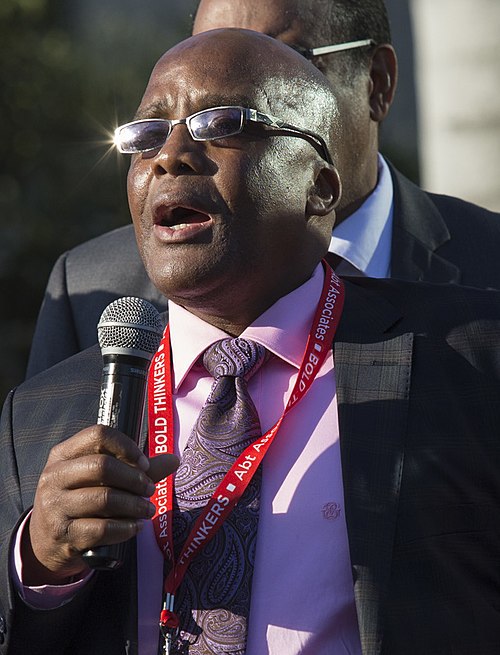
Aaron Motsoaledi
LP; Minister of Home Affairs • South Africa
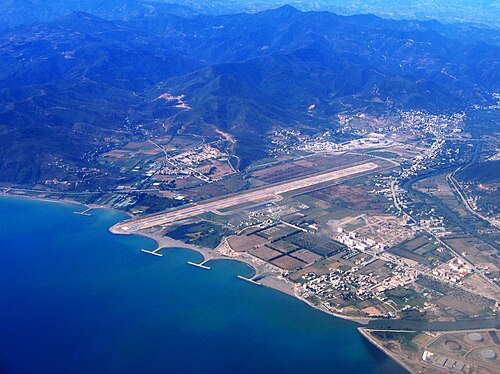
Abane Ramdane†
FLN Leader & Strategist • Algeria
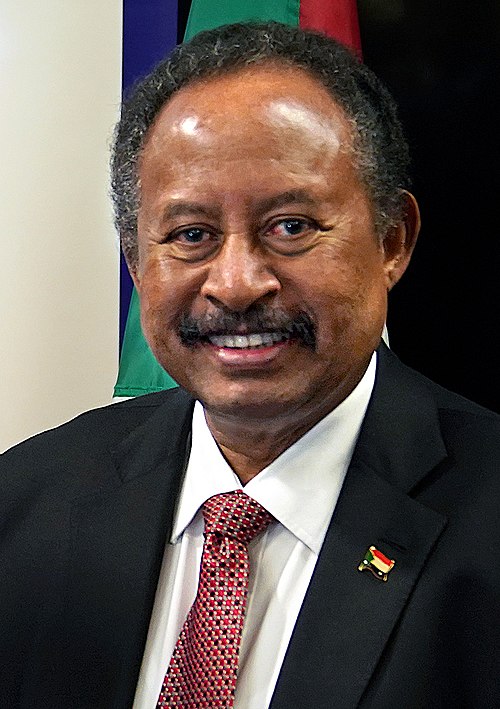
Abdalla Hamdok
Ex-Prime Minister • Sudan
Abdallah Kigoda
Ex-Minister of Natural Resources • Tanzania