Financial Breakdown
Asset Distribution
Assets vs Liabilities
Assets
Disclaimer: These financial estimates are based on publicly available information and should be considered approximate. Last updated: 12/30/2025
Biography
Introduction: A Statesman in a Turbulent Era
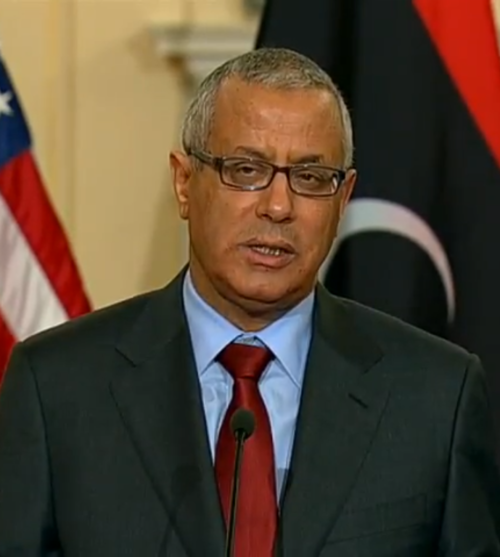
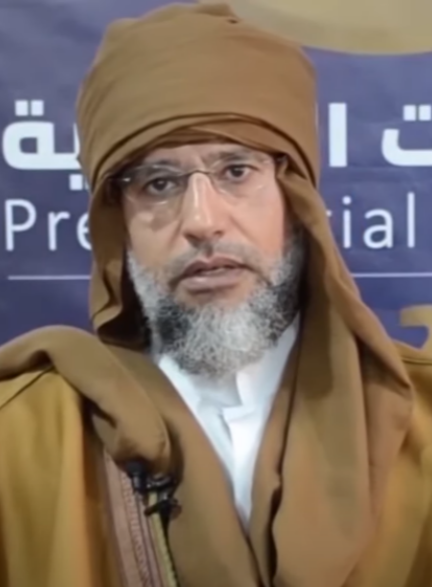
Ali Zeidan is a prominent Libyan politician and diplomat who served as the Prime Minister of Libya from October 2012 to March 2014, a critical period following the fall of Muammar Gaddafi. His tenure placed him at the helm of the Executive Cabinet of the General National Congress (GNC), Libya's first elected post-revolutionary body. As a key figure in Politics & Government during the nation's fragile transition, Ali Zeidan was tasked with the monumental challenge of unifying a fractured country, rebuilding state institutions, and steering Libya toward stability and democratic governance. His most notable achievement was overseeing the formation of a transitional government, though his term was ultimately cut short by the escalating political and militia violence that would come to define Libya's post-revolution landscape.
Early Life and Education: Formative Years in Exile
Born in 1950 in the Wadi Shati district of Libya, Ali Zeidan grew up under the monarchy of King Idris. His early life was shaped by the political upheavals that culminated in Gaddafi's 1969 coup. Opposed to the new regime, Zeidan's political activism led him to leave Libya. He spent much of his adult life in exile, primarily in Europe, where he forged a career as a diplomat and human rights advocate. This period of exile was fundamental to his political identity and future career.
Zeidan pursued higher education in India, earning a degree in Arts from the University of Delhi. His academic background in the humanities, combined with his firsthand experience of political repression, steered him toward law and advocacy. He later studied law, although he did not complete a formal legal degree. In the 1980s, Ali Zeidan emerged as a leading figure in the opposition, representing the National Front for the Salvation of Libya. He played a significant role in exposing the Gaddafi regime's human rights abuses to international bodies like the United Nations, establishing himself as a credible and persistent voice for democratic change in Libya.
Career and Major Achievements: From Exile to the Premiership
Ali Zeidan's career is a narrative of Libya's modern political struggle. After decades in opposition, the 2011 Libyan Revolution and the overthrow of Gaddafi created an opportunity for his return. He was elected as an independent member to the General National Congress in July 2012, representing the Jufra district. Following a contentious selection process, the GNC elected Ali Zeidan as Prime Minister on October 14, 2012, with a narrow majority. He succeeded interim Prime Minister Abdurrahim El-Keib.
Leading the Transitional Government
Zeidan's cabinet, approved in November 2012, faced immediate and daunting challenges:
- Disarming Militias: Integrating revolutionary brigades into a national army and police force.
- Economic Revival: Restoring oil production, the lifeline of the Libyan economy.
- Security: Establishing a state monopoly on force in a country awash with weapons.
- National Reconciliation: Bridging deep regional and tribal divisions.
One of his early diplomatic successes was securing an official apology from the United States for the 1979 attack on the Libyan embassy in Washington, a long-standing grievance. He also worked to reopen foreign embassies and attract international investment. However, his government's authority was consistently undermined by powerful militias operating outside state control.
Crises and the Abduction
The fragility of Zeidan's government was starkly exposed in October 2013 when he was briefly abducted from his Tripoli hotel by a militia group. The brazen act, from which he was released hours later, highlighted the government's lack of control over armed factions. A major crisis erupted in 2014 when a North Korean-flagged oil tanker, the Morning Glory, attempted to illicitly load crude oil from a rebel-held port in eastern Libya. Despite Zeidan's orders to block the shipment, the tanker sailed away, leading the GNC to pass a vote of no confidence. Ali Zeidan was dismissed from his post on March 11, 2014, and fled the country shortly after as security deteriorated.
Impact and Challenges
Zeidan's tenure demonstrated the immense difficulties of post-conflict state-building. While he succeeded in maintaining a functioning, internationally recognized government for over a year, his administration could not overcome the centrifugal forces pulling Libya apart. His legacy is that of a transitional figure who navigated the initial hopes and subsequent chaos of the new Libya, ultimately becoming a casualty of the very instability he was appointed to resolve.
Personal Life, Legacy, and Later Years
Known for his diplomatic demeanor and fluency in multiple languages, including Arabic, English, French, and German, Ali Zeidan presented a moderate, statesmanlike image internationally. His life in exile and role as a human rights defender defined his pre-revolution identity. Following his ouster, he returned to exile in Europe. He has remained a commentator on Libyan affairs, occasionally issuing statements and giving interviews, but he has not held any official political office in Libya since 2014. His personal interests have largely remained private, overshadowed by his public political life.
The legacy of Ali Zeidan is intrinsically tied to Libya's failed transition. He is remembered as a well-intentioned leader who lacked the power base or coercive tools to implement his agenda. His premiership represents the brief window between the initial revolutionary euphoria and the descent into civil war that began in 2014. For scholars of Politics & Government, his term offers critical lessons on the challenges of forming an Executive Cabinet in a security vacuum and the perils of militia politics.
Net Worth and Business Ventures
Details regarding Ali Zeidan's personal net worth and private business ventures are not publicly documented with precision, which is common for many political figures from the region. His professional life before the revolution was centered on his work as a diplomat for the opposition and as a human rights advocate, roles not typically associated with significant private wealth generation. During his time as Prime Minister, his government oversaw the restart of Libya's oil industry, which commands vast national wealth, but there is no credible evidence linking Zeidan to personal enrichment from state resources. Any financial assets he possesses are likely accrued from his long career in diplomacy and politics. Since leaving office, he has lived abroad, and his current financial status remains a private matter.
This biography is compiled from publicly available historical records, news archives from reputable international outlets (such as BBC, Reuters, and Al Jazeera), and official Libyan government statements from the 2012-2014 period.
Frequently Asked Questions
What is Ali Zeidan's estimated net worth?
Ali Zeidan has an estimated net worth of $50.0 Million.
What is Ali Zeidan's role and nationality?
Ali Zeidan is a Ex-Prime Minister from Libya.
How did Ali Zeidan make their money?
Ali Zeidan built their fortune primarily through As a former Prime Minister of Libya, his wealth is likely derived from his political career and associated business interests, but he is not listed among Africa's known billionaires and his exact finances are not publicly verified..
How old is Ali Zeidan?
Ali Zeidan was born in 1950 (76 years old).
Which category is Ali Zeidan listed under?
Ali Zeidan is featured under the Politics & Government category on NetWorth Africa.
How is Ali Zeidan's net worth calculated?
NetWorth Africa estimates financial valuations using publicly available stock equity holdings, company ownership records, real estate assets, and verified market data.
Net Worth Analysis
As a former Prime Minister of Libya, his wealth is likely derived from his political career and associated business interests, but he is not listed among Africa's known billionaires and his exact finances are not publicly verified.
Quick Stats
Related People
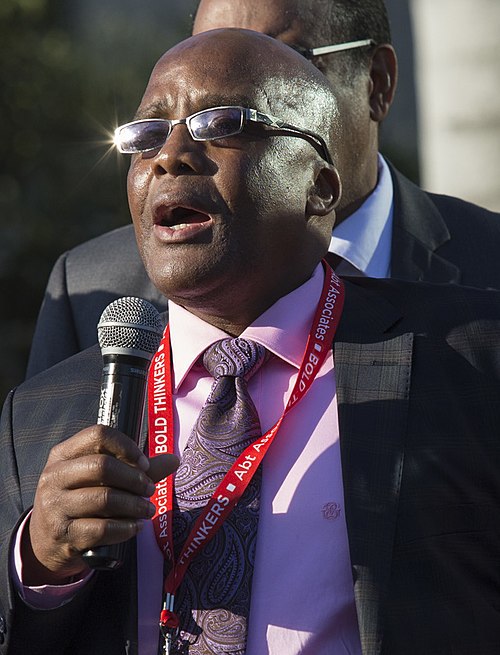
Aaron Motsoaledi
LP; Minister of Home Affairs • South Africa
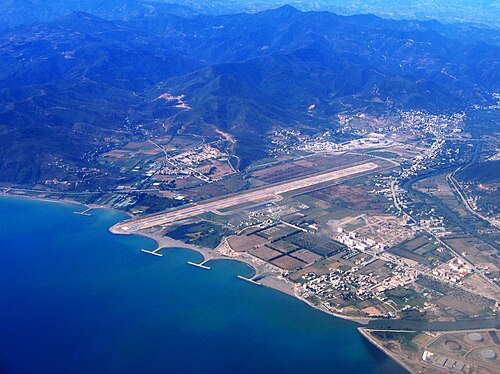
Abane Ramdane†
FLN Leader & Strategist • Algeria
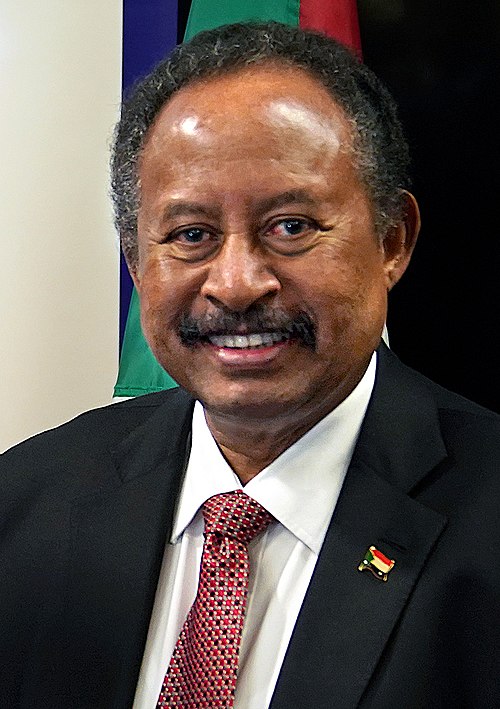
Abdalla Hamdok
Ex-Prime Minister • Sudan
Abdallah Kigoda
Ex-Minister of Natural Resources • Tanzania