Biography
Introduction: The Intellectual Revolutionary
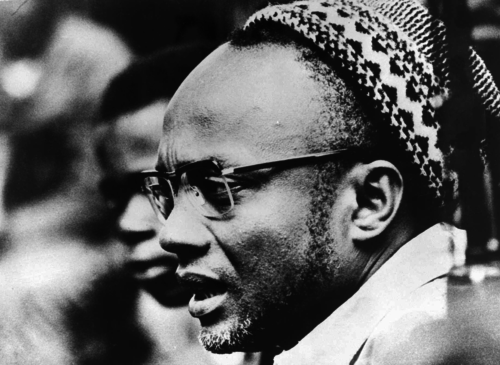
Amílcar Cabral† stands as one of the most profound and influential figures in the history of African liberation and Pan-Africanism. More than just a military strategist, Cabral was a revolutionary theorist whose ideas on culture, national identity, and class struggle transcended the borders of his native Guinea-Bissau and Cape Verde. As the founding secretary-general of the African Party for the Independence of Guinea and Cape Verde (PAIGC), he masterminded one of the most successful wars of independence in the 20th century, defeating the Portuguese colonial army and paving the way for the sovereignty of Guinea-Bissau (1973) and later Cape Verde (1975). His unique synthesis of Marxist thought with the concrete realities of the African peasantry established him as a pivotal thinker in the global anti-colonial movement. The legacy of Amílcar Cabral† endures not only in the nations he freed but in his enduring contributions to revolutionary theory.
Early Life & Education: Forging an Anti-Colonial Consciousness
Amílcar Lopes da Costa Cabral was born on September 12, 1924, in Bafatá, Guinea-Bissau, to Cape Verdean parents. His early years were marked by a duality that would later inform his politics: he was born in a West African colony but descended from the more assimilated, educated society of the Cape Verdean archipelago. This positioned him uniquely to understand the complexities of Portuguese colonialism from multiple angles. After secondary schooling in Cape Verde, where he witnessed a devastating famine that he blamed on colonial neglect, Cabral won a scholarship to study agronomy at the Instituto Superior de Agronomia in Lisbon, Portugal, in 1945.
Lisbon in the late 1940s was a crucible for future African leaders. There, Cabral connected with other students from the colonies, including Agostinho Neto of Angola and Marcelino dos Santos of Mozambique. This group engaged deeply with anti-colonial and Marxist literature, forming the foundations of their revolutionary ideologies. Crucially, Cabral completed his degree as an agricultural engineer in 1950, a profession that would shape his revolutionary methodology. His subsequent work from 1952 to 1955 conducting Portugal's first agricultural census in Guinea-Bissau was transformative. Traveling extensively throughout the countryside, he gained an intimate, scientific understanding of the land, the peasantry's economic conditions, and the social structures of various ethnic groups. This firsthand empirical research became the bedrock of his future military and political strategy, proving that the education of Amílcar Cabral† was as much in the fields of Guinea as it was in the lecture halls of Lisbon.
Career & Major Achievements: From Theory to Liberation
The career of Amílcar Cabral† is a testament to the power of organized, ideologically clear resistance. In 1956, he co-founded the clandestine African Party for the Independence of Guinea and Cape Verde (PAIGC). Unlike many independence movements, the PAIGC, under Cabral's leadership, prioritized political education and social mobilization before armed struggle. He famously stated, "We are not going to eliminate imperialism by shouting insults at it."
Theorizing Revolution: "Return to the Source"
As a revolutionary theorist, Cabral made groundbreaking contributions. He argued that the independence leader must conduct a "re-Africanization," or a "return to the source," by reclaiming indigenous culture as a weapon against colonial cultural domination. He presented a sophisticated class analysis, seeing the revolutionary potential not in a small urban proletariat but in the peasantry, whom he painstakingly organized. His theories were articulated in seminal speeches and writings, such as "The Weapon of Theory" (1966) and "National Liberation and Culture" (1970), which remain essential texts in post-colonial studies.
Waging a Successful Liberation War
In 1963, the PAIGC launched its armed struggle. Cabral's strategy was meticulous:
- Political Foundation: Establishing "liberated zones" with schools, hospitals, and people's stores to demonstrate self-governance.
- Military Tactics: Using guerrilla warfare adapted to the local terrain, avoiding direct confrontation with superior Portuguese forces.
- International Diplomacy: Brilliantly lobbying for support at the United Nations and from non-aligned nations, gaining recognition for the PAIGC as the legitimate representative of the people.
Personal Life & Legacy: The Enduring Influence
Personally, Amílcar Cabral† was described as charismatic, humble, and a brilliant orator who could connect with both illiterate farmers and UN diplomats. He was married to Maria Helena de Athayde, a Portuguese woman he met in Lisbon, and later to Anna Maria Fossi, an activist. His personal sacrifice was total, dedicating his life entirely to the cause of liberation. His legacy is monumental and multifaceted. In Politics & Government, he is the founding father of two nations. In intellectual circles, he is celebrated as a revolutionary theorist who offered a unique African contribution to Marxist and anti-colonial thought. His ideas on culture and national unity continue to inspire liberation movements and scholars worldwide. The phrase "Claim no easy victories," attributed to him, encapsulates his pragmatic and disciplined approach. Streets, universities, and institutions across Africa and the diaspora bear his name, a testament to his stature as a titan of Pan-Africanism.
Historical Significance & Ideological Contributions
While discussions of net worth are irrelevant for a figure like Amílcar Cabral†, whose wealth was measured in ideological capital and popular sovereignty, his "value" lies in his profound ideological contributions. He left no personal business ventures or fortune; his life's work was the anti-colonial struggle. The "enterprise" he built was the PAIGC, and the "asset" he created was an independent nation-state. His strategic genius converted the material and human resources of a colonized peasantry into a formidable political and military force. In today's terms, his success was in securing international legitimacy and funding for the liberation project, effectively "out-competing" the Portuguese state in the court of global opinion. The enduring study and application of Cabralist theory in academia and social movements worldwide underscore the lasting and priceless impact of his work. The biography of Amílcar Cabral† remains essential for understanding the Liberation Era in Africa and the power of ideas in shaping history.
Sources & Further Reading: Key texts include Cabral's own "Unity and Struggle" and "The Weapon of Theory". Historical analyses can be found in works by Basil Davidson and Patrick Chabal. The UNESCO Courier also provides valuable resources on his centenary.
Frequently Asked Questions
What is Amílcar Cabral†'s estimated net worth?
Net worth details for Amílcar Cabral† are currently being updated.
What is Amílcar Cabral†'s role and nationality?
Amílcar Cabral† is a Independence Leader & Theorist; Revolutionary Theorist from Guinea-Bissau.
How did Amílcar Cabral† make their money?
Amílcar Cabral† built their fortune primarily through Amílcar Cabral was assassinated in 1973 and was a revolutionary leader, not a business figure, so he did not accumulate personal wealth in a traditional sense..
How old is Amílcar Cabral†?
Amílcar Cabral† was born in 1924 (102 years old).
Which category is Amílcar Cabral† listed under?
Amílcar Cabral† is featured under the Politics & Government category on NetWorth Africa.
How is Amílcar Cabral†'s net worth calculated?
NetWorth Africa estimates financial valuations using publicly available stock equity holdings, company ownership records, real estate assets, and verified market data.
Net Worth Analysis
Amílcar Cabral was assassinated in 1973 and was a revolutionary leader, not a business figure, so he did not accumulate personal wealth in a traditional sense.
Quick Stats
Related People
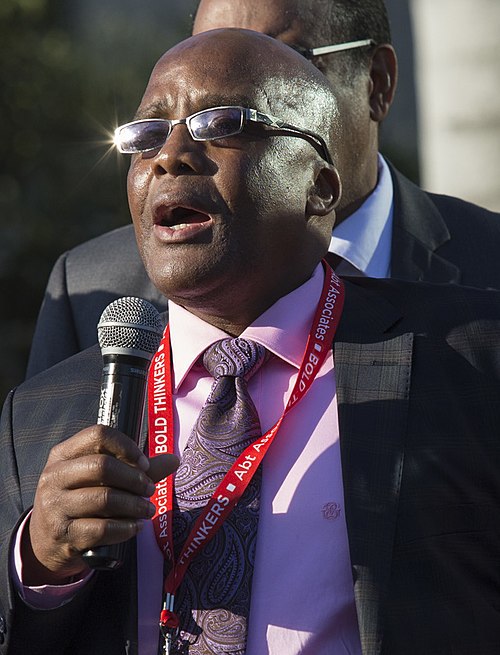
Aaron Motsoaledi
LP; Minister of Home Affairs • South Africa
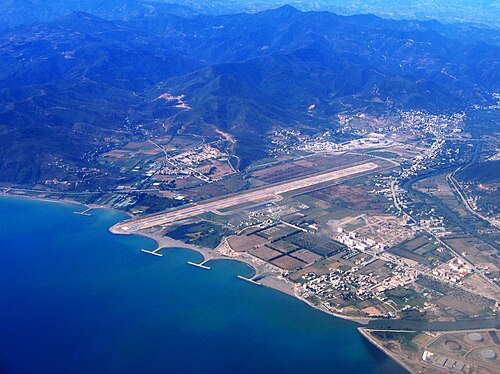
Abane Ramdane†
FLN Leader & Strategist • Algeria
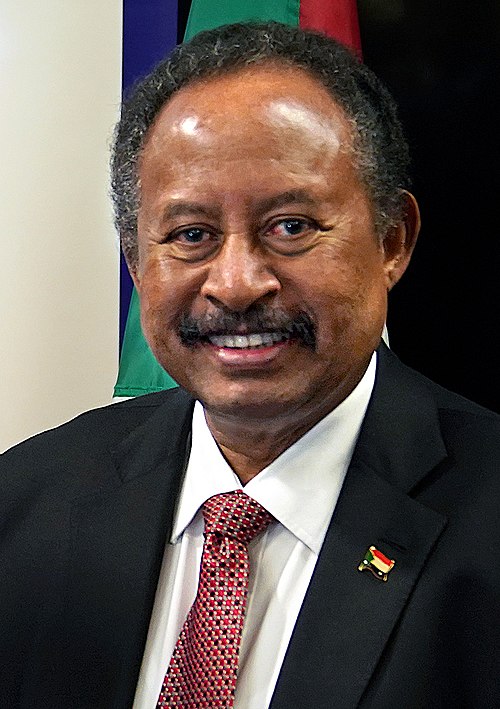
Abdalla Hamdok
Ex-Prime Minister • Sudan
Abdallah Kigoda
Ex-Minister of Natural Resources • Tanzania