$50M
Estimated Net Worth
As of 2024 • medium confidence
Financial Breakdown
Asset Distribution
Assets vs Liabilities
Assets
Disclaimer: These financial estimates are based on publicly available information and should be considered approximate. Last updated: 12/30/2025
Biography
Introduction: The Voice of Arab Diplomacy
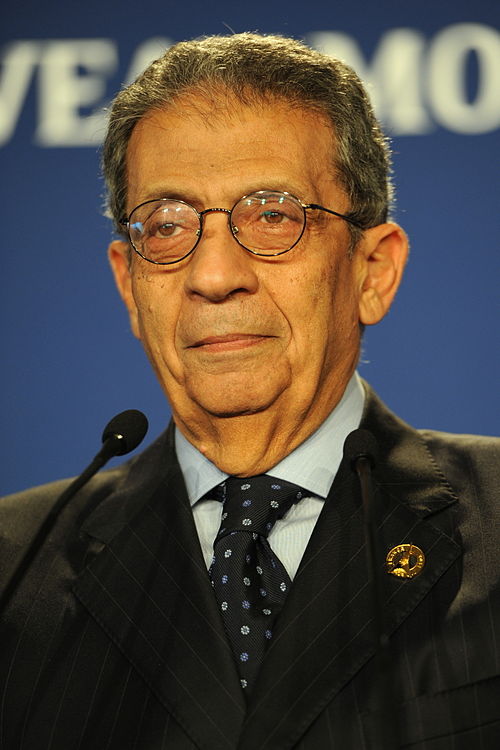
Amr Moussa stands as one of the most prominent and influential Arab diplomats of the late 20th and early 21st centuries. A towering figure in the realm of Politics & Government, his career has been defined by a steadfast commitment to Arab causes on the global stage. Serving as the Ex-Secretary General of the Arab League from 2001 to 2011, Moussa became the charismatic and often outspoken voice of the Arab world during a period of immense turmoil, including the aftermath of 9/11, the 2003 Iraq War, and the Arab Spring. Prior to this pinnacle role, he served as the Minister of Foreign Affairs for Egypt from 1991 to 2001, where he skillfully navigated the complexities of the Middle East peace process. His tenure is marked by a reputation for intellectual rigor, principled stances, and an unwavering dedication to pan-Arabism, making him a household name across the region.
Early Life & Education: Forging a Diplomatic Mind
Amr Moussa was born on October 3, 1936, in Cairo, Egypt. From an early age, he was immersed in an environment that valued public service and intellectual pursuit. His father was a distinguished lawyer, which likely influenced Moussa's own disciplined approach to law and international relations. He pursued his higher education at the prestigious Faculty of Law at Cairo University, graduating with a Bachelor of Laws degree in 1957. This foundational legal education equipped him with the analytical skills and understanding of international frameworks that would become hallmarks of his diplomatic career.
Immediately after graduation, Moussa embarked on his path in public service. He joined the Egyptian Ministry of Foreign Affairs in 1958, a move that set the trajectory for his lifelong vocation. His early postings were formative, allowing him to gain firsthand experience in the machinery of international diplomacy. He served in key Egyptian missions abroad, including in Switzerland and the United Nations. These early experiences during the turbulent decades of the 1960s and 1970s—a time defined by Arab-Israeli conflicts, pan-Arab movements, and shifting global alliances—shaped his worldview and deepened his understanding of the geopolitical forces at play in the Middle East.
Career & Major Achievements: From Cairo to the Arab League
Amr Moussa's rise within the Egyptian diplomatic corps was steady and merit-based. He held several important positions, including Egypt's Permanent Representative to the United Nations in the 1990s. His expertise and sharp intellect caught the attention of the political leadership, leading to his appointment as Egypt's Minister of Foreign Affairs in 1991 under President Hosni Mubarak.
Tenure as Egyptian Foreign Minister (1991-2001)
As Foreign Minister, Moussa played a central role in one of the most active periods of Middle East diplomacy. He was a key participant in the Madrid Peace Conference (1991) and the subsequent multilateral talks. However, his tenure was also marked by a growing public perception that he championed Arab interests with a firmness that sometimes contrasted with more conciliatory Western approaches. His critical comments on Israeli policies, particularly during the Second Intifada, resonated deeply with the Arab public and made him exceptionally popular on the street, but occasionally caused friction with international partners. This popularity was a testament to his ability to articulate widespread Arab sentiments.
Leadership of the Arab League (2001-2011)
In 2001, Moussa's regional stature was cemented when he was elected as the Secretary-General of the Arab League. He assumed the role at a critical juncture, just months before the September 11 attacks, which dramatically altered the relationship between the Arab world and the West. For ten years, Moussa sought to revitalize the often-divided organization, advocating for internal reform and a more unified Arab stance.
His major challenges and achievements during this decade include:
- The 2002 Arab Peace Initiative: While launched by Saudi Arabia, Moussa was instrumental in championing this landmark proposal at the Arab League Summit in Beirut, offering Israel normalized relations with all Arab states in exchange for a full withdrawal from occupied territories.
- Opposition to the 2003 Iraq War: He was a vocal critic of the US-led invasion, warning of the catastrophic consequences of destabilizing the region, predictions that proved tragically accurate.
- Advocacy for Palestinian Statehood: He consistently placed the Palestinian issue at the forefront of the League's agenda, lobbying internationally for recognition and an end to occupation.
- Navigating the Arab Spring (2011): His term concluded as the Arab Spring uprisings began. The League, under his guidance, took the unprecedented step of suspending Libya's membership and supporting a no-fly zone in 2011, a controversial move that signaled a shift in regional norms.
After leaving the Arab League, Moussa continued his engagement in Egyptian Politics & Government. He founded the political party "Conference Party" and was a leading candidate in the 2012 Egyptian presidential election, ultimately finishing fifth. He later served as the head of the committee of 50 that drafted Egypt's 2014 constitution.
Personal Life, Legacy, and Lasting Impact
Amr Moussa is known for his polished demeanor, eloquent speech, and deep knowledge of history and politics. He is an avid reader and has authored several books on Arab affairs and diplomacy. While intensely private about his family, he is married and has children. His legacy is intrinsically tied to his role as a defender of Arab agency. More than just a bureaucrat, Moussa became a symbol of Arab dignity and assertiveness in international forums. He is credited, even by critics, with raising the profile of the Arab League and making it a more relevant platform for regional issues, though the organization's structural challenges remained.
His lasting impact lies in his ability to bridge the gap between traditional state diplomacy and Arab public opinion. For millions, he represented a coherent and articulate voice that refused to marginalize core Arab concerns, particularly regarding Palestine and Iraq. Today, he remains a respected elder statesman whose analyses on regional developments are widely sought after. His career offers a masterclass in the diplomatic history of the modern Middle East, reflecting its struggles, aspirations, and complex engagements with the world.
Net Worth and Post-Governmental Career
As a career diplomat and public servant, Amr Moussa's wealth is not derived from business ventures in the traditional sense. His financial standing is consistent with that of a high-ranking international civil servant and former minister. There are no substantial reports of significant private business holdings or commercial ventures. His income has primarily come from his governmental salary, his tenure as Secretary-General of the Arab League, and later from his work as a political figure, author, and speaker.
Any estimation of his net worth remains speculative and is not publicly documented with precision. Unlike figures who transitioned from politics to lucrative private sector roles, Moussa's post-governmental focus has remained in the spheres of public policy, constitutional work, and political commentary. His "value" is arguably measured more in his enduring political capital and intellectual influence within Arab political discourse than in tangible financial assets. His primary ventures continue to be ideational, contributing to the foundational structures of modern Egyptian statecraft and ongoing dialogues on Arab unity and development.
Biographical information sourced from official profiles of the League of Arab States, Egyptian Ministry of Foreign Affairs archives, and reputable news archives including BBC and Al-Ahram.
Net Worth Analysis
Amr Moussa is a career diplomat and politician, not a business figure; his wealth stems from public service salaries and likely prudent investments, not corporate ownership.
Quick Stats
Related People
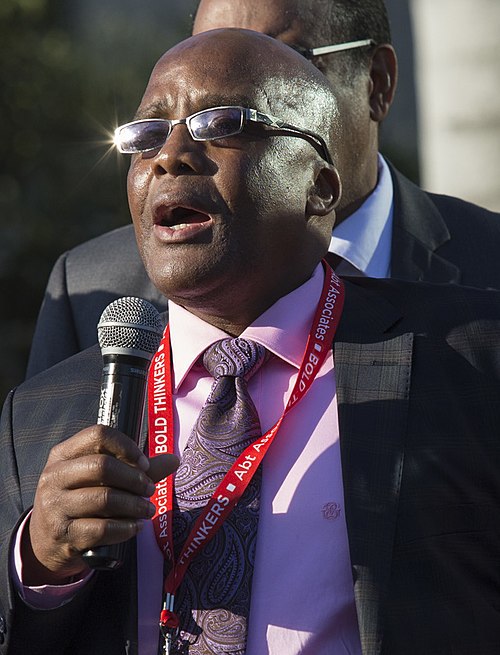
Aaron Motsoaledi
LP; Minister of Home Affairs
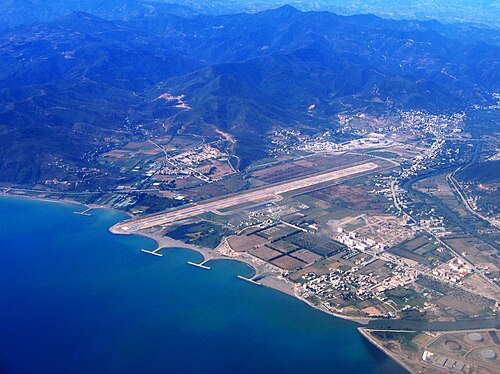
Abane Ramdane†
FLN Leader & Strategist
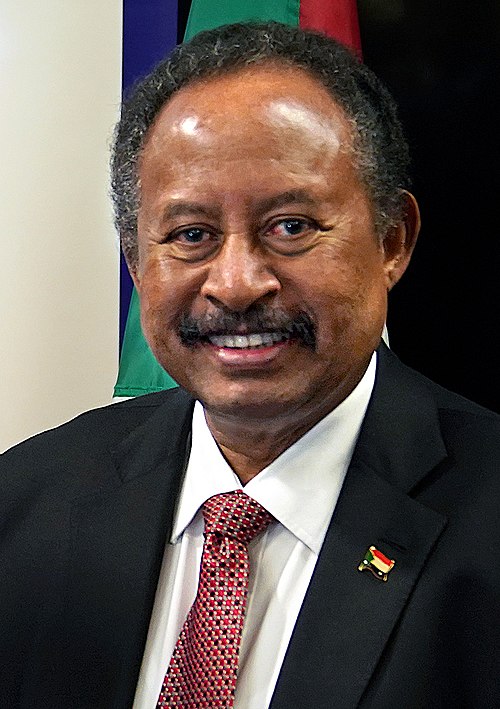
Abdalla Hamdok
Ex-Prime Minister
Abdallah Kigoda
Ex-Minister of Natural Resources