$1B
Estimated Net Worth
As of 2025 • high confidence
Financial Breakdown
Asset Distribution
Assets vs Liabilities
Assets
Disclaimer: These financial estimates are based on publicly available information and should be considered approximate. Last updated: 12/29/2025
Biography
Introduction: The Statesman of Mozambique
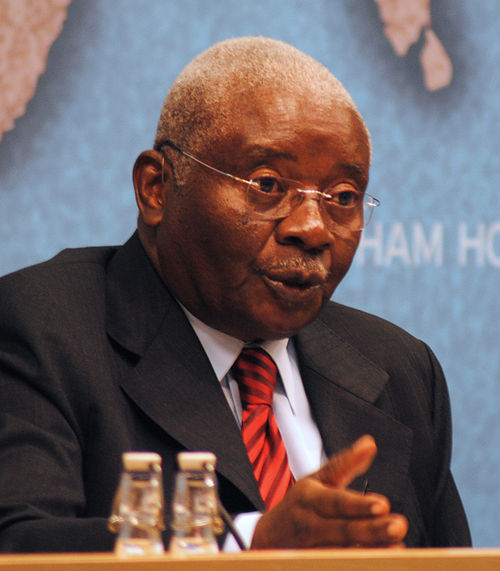
Armando Emílio Guebuza is a pivotal figure in modern Mozambican history, having served as the nation's President from 2005 to 2015. A veteran of the independence struggle and a senior statesman within the FRELIMO (Frente de Libertação de Moçambique) party, Guebuza's tenure is marked by significant economic growth, infrastructure development, and complex political challenges. His presidency followed the long leadership of Joaquim Chissano and was characterized by a focus on poverty reduction, national unity, and consolidating peace following the decades-long civil war. Armando Guebuza's journey from a young militant to the highest office in the land encapsulates the story of Mozambique's post-colonial development, making him a central subject in the study of Politics & Government in Southern Africa.
Early Life & Education: Forging a Revolutionary
Armando Guebuza was born on January 20, 1943, in the district of Murrupula, in the northern province of Nampula, then part of Portuguese East Africa. His early life unfolded under the shadow of colonial rule, an experience that profoundly shaped his political consciousness. He received his primary and secondary education in the capital, Lourenço Marques (now Maputo). It was during his youth that Guebuza became actively involved in the burgeoning movement for national liberation.
In 1963, at the age of 20, he joined the newly formed FRELIMO, which was leading the armed struggle for independence from Portugal. Demonstrating early leadership qualities, Guebuza quickly rose through the ranks. He pursued further political and military training outside Mozambique, aligning himself with the faction led by Samora Machel. His formative years were not spent in traditional universities but in the trenches of guerrilla warfare and the political schools of the liberation movement. This education in struggle and ideology prepared him for a lifetime of service in the upper echelons of Mozambican Executive Leadership.
Career & Major Achievements: From Minister to President
Armando Guebuza's political career began in earnest at Mozambique's independence in 1975. He held several key ministerial positions in the government of President Samora Machel, showcasing his versatility and trust within the party.
Ministerial Roles and Post-War Negotiator
His early portfolios included Minister of the Interior and Minister of Transport and Communications. However, one of his most critical roles came after the death of Samora Machel. Guebuza was a key figure in the FRELIMO leadership that navigated the turbulent civil war against RENAMO rebels. He served as the head of the government delegation in the arduous peace negotiations in Rome, which culminated in the General Peace Agreement of 1992. This agreement, signed by then-President Joaquim Chissano and RENAMO leader Afonso Dhlakama, ended 16 years of devastating conflict and paved the way for multi-party democracy.
The Presidency (2005-2015): Growth and Controversy
Elected in 2004 and taking office in February 2005, Armando Guebuza's presidency was defined by a dual narrative of robust economic performance and growing political tension. His government adopted a slogan, "Desenvolvimento e Luta contra a Pobreza" (Development and Fight Against Poverty), which guided his policy agenda.
- Economic Boom: Mozambique experienced some of the highest GDP growth rates in the world during his first term, often exceeding 7% annually, driven by foreign investment in mega-projects in the extractive industries (coal and natural gas).
- Infrastructure Drive: His administration prioritized visible infrastructure development, including roads, bridges, and public buildings, under a philosophy often referred to as "Guebuza's visible monuments."
- Political Centralization: Guebuza's leadership style was seen as more centralized and less consultative than his predecessor's. Tensions between FRELIMO and the opposition RENAMO resurfaced, leading to low-level military clashes from 2013 onward.
- Anti-Corruption Campaign: He launched a much-publicized "Operação Licença para Matar" (Operation License to Kill) anti-corruption initiative, though critics argued it was used selectively against political opponents.
Despite constitutional term limits barring a third term, Armando Guebuza maintained significant influence within FRELIMO, overseeing the transition to his successor, Filipe Nyusi, in January 2015.
Personal Life & Legacy
Armando Guebuza is married to Maria da Luz Guebuza, a former First Lady known for her advocacy in health and social causes. The couple has four children. Known for his disciplined and austere personal demeanor, Guebuza is also a published poet, reflecting a cultural depth beyond his political persona. His legacy is complex and subject to ongoing debate within Mozambique.
On one hand, he is credited with presiding over a period of remarkable macroeconomic growth and infrastructure renewal, which helped integrate parts of the country. On the other hand, his tenure is criticized for increasing wealth inequality, a perceived weakening of democratic institutions, and the re-emergence of political violence. The discovery of vast public debt, concealed during his later years in office (the "hidden debts" scandal), severely damaged the economy after he left and remains a dark cloud over his economic legacy. Ultimately, Armando Guebuza is remembered as a decisive leader who shaped the modern trajectory of Mozambique, for better and for worse, embodying the challenges of post-war governance and development.
Net Worth & Business Ventures
Like many long-serving political figures in Mozambique, Armando Guebuza's personal wealth and business interests have been a topic of public interest and speculation. He is widely considered to be one of the wealthiest individuals in the country. His business portfolio is extensive and grew significantly during and after his time in high public office. Guebuza has substantial interests in multiple sectors of the Mozambican economy, including:
- Real Estate and Construction: Through family holdings, he has investments in property development and construction companies that have benefited from government contracts.
- Fishing and Agriculture: He holds stakes in lucrative fishing concessions and agricultural enterprises.
- Transport and Logistics: Interests in trucking and logistics firms align with the country's infrastructure boom during his presidency.
The exact figure of Armando Guebuza's net worth is not publicly disclosed and is difficult to verify independently. However, it is indicative of a broader pattern in Mozambican Politics & Government where the lines between political power, public service, and private business accumulation have often been blurred. His economic success underscores the significant influence former high-ranking officials continue to wield in the nation's commercial landscape.
Net Worth Analysis
Armando Guebuza – Net Worth: $1 Billion
Quick Stats
Related People
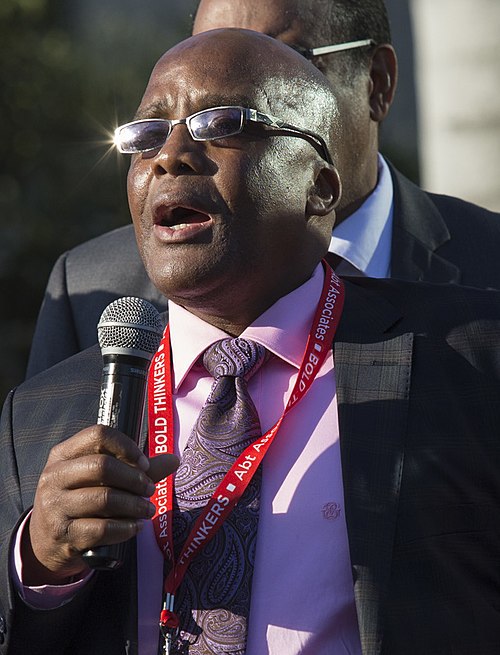
Aaron Motsoaledi
LP; Minister of Home Affairs
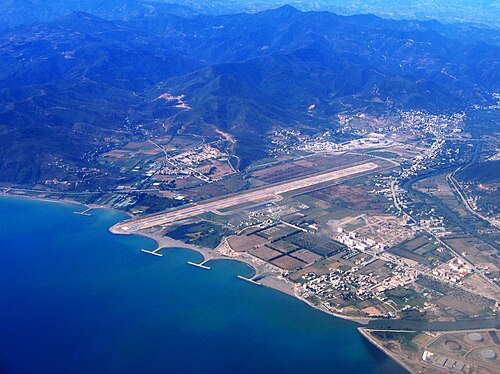
Abane Ramdane†
FLN Leader & Strategist
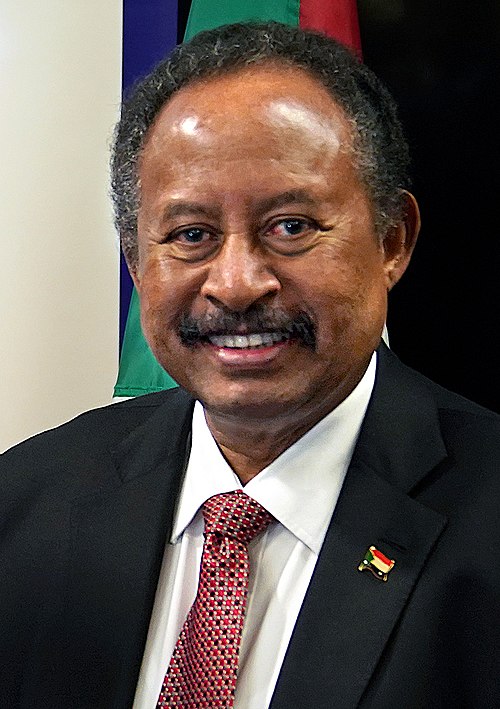
Abdalla Hamdok
Ex-Prime Minister
Abdallah Kigoda
Ex-Minister of Natural Resources