Biography
Introduction: A Key Figure in Guinea-Bissau's Political Landscape
Artur Sanhᆠstands as a significant figure in the modern political history of Guinea-Bissau, a West African nation known for its complex governance. Serving as the nation's Prime Minister from 2003 to 2004, Sanhᆠnavigated a period of profound instability and transition. His tenure, though brief, was marked by the immense challenge of steering a country recovering from a military coup and entrenched in socio-economic difficulties. As an Ex-Prime Minister, his role extended beyond his time in office, influencing subsequent political dialogues and alignments within the nation's fractious political scene. This biography explores the life, career, and legacy of Artur Sanhá†, providing insight into his contributions to the Politics & Government of Guinea-Bissau during a critical juncture in its development.
Early Life and Education: Formative Years in Guinea-Bissau
Artur Sanhᆠwas born in 1965, a time when Guinea-Bissau was engaged in a protracted armed struggle for independence from Portuguese colonial rule, which was successfully achieved in 1973-74. Growing up in the nascent post-colonial state, his formative years were shaped by the ambitions and challenges of nation-building. Details about his specific birthplace and early family life are less documented in public sources, a common theme for many politicians from the region during that era.
His educational path, however, laid the groundwork for his future in public service. Sanhᆠpursued higher education, developing a strong foundation in law and political science. He is reported to have studied at the Amílcar Cabral University in Bissau, the country's main higher education institution, named after the iconic independence leader. This academic background in a discipline central to governance equipped him with the theoretical tools to engage with Guinea-Bissau's legal and administrative frameworks. The political climate of his youth—marked by the single-party rule of the African Party for the Independence of Guinea and Cape Verde (PAIGC) and the eventual shift towards multi-party democracy in the early 1990s—undoubtedly served as a practical education in itself, shaping his political consciousness and ambitions.
Political Career and Major Achievements
Artur Sanhá†'s political career unfolded against a backdrop of chronic instability in Guinea-Bissau, characterized by military interventions, political assassinations, and institutional fragility. He rose to prominence as a member of the Social Renovation Party (PRS), a major political force founded after the introduction of multi-party politics. The PRS, drawing significant support from the Balanta ethnic group and other constituencies, became a key player in the nation's coalition-driven governments.
Ascension to Prime Minister
Sanhá†'s path to the premiership was directly linked to a military coup. In September 2003, then-President Kumba Ialá was overthrown by the military. A transitional civilian administration was established, and Artur Sanhá†, as a senior figure within the PRS, was appointed as the Prime Minister of the Transitional Government in late 2003. His appointment was part of a pact to restore constitutional order and prepare for new elections. His tenure, which lasted approximately from December 2003 to May 2004, was inherently defined by this transitional mandate.
Key Challenges and Tenure
As Prime Minister, Artur Sanhᆠfaced a daunting array of challenges:
- Political Stabilization: Managing a fragile consensus among political parties, the military, and civil society to ensure a peaceful transition.
- Economic Management: Addressing a crippled economy, massive public debt, and a paralyzed civil service whose salaries were in arrears for months.
- International Relations: Engaging with international partners and donors, such as the European Union and the World Bank, to secure support and legitimacy for the transitional process.
- Electoral Preparation: Overseeing the logistical and political preparations for the parliamentary elections scheduled for 2004.
His government's primary achievement was successfully steering the country through this volatile period without a major relapse into violence, culminating in the legislative elections of March 2004. Following these elections, which were won by the PAIGC, Sanhᆠhanded over power to the newly appointed Prime Minister, Carlos Gomes Júnior, in May 2004, thus completing the transitional government's core mission.
Post-Premiership Political Role
After his term as Prime Minister, Artur Sanhᆠremained an active figure in Guinea-Bissau's Politics & Government. He continued to hold influence within the PRS and served in various high-level capacities. Notably, he was appointed as the Minister of State for the Presidency of the Council of Ministers in a later government, a role that indicated his continued value as a political operator and advisor. His career exemplifies the pattern of recurring leadership roles among a relatively small political elite in Guinea-Bissau, where figures often resurface in different cabinets and coalitions.
Personal Life, Legacy, and Lasting Impact
Unlike some of his contemporaries, Artur Sanhᆠmaintained a relatively low public profile regarding his personal life, with few details about family or personal interests widely circulated. This privacy is not uncommon for Bissau-Guinean politicians of his generation. His legacy is intrinsically tied to his role as a transitional figure.
Artur Sanhá†'s lasting impact on Guinea-Bissau is multifaceted. On one hand, he is remembered as the leader who managed a critical, albeit brief, interregnum between a coup and a return to electoral politics. His tenure helped avert a deeper constitutional crisis and demonstrated a capacity for political negotiation. On the other hand, his career also reflects the persistent challenges of Guinean politics: the influence of the military, the fragility of institutions, and the difficulty of achieving lasting economic progress. As an Ex-Prime Minister, his political journey underscores the complex, often cyclical nature of power and governance in Guinea-Bissau. His death marked the passing of a figure who had been a consistent participant in the nation's turbulent political arena for decades.
Net Worth and Business Engagements
Specific, verifiable details regarding Artur Sanhá†'s personal net worth, assets, or private business ventures are not publicly documented in credible sources. This lack of financial transparency is a systemic issue in the political economy of many nations, including Guinea-Bissau, where formal declarations of assets are not consistently enforced or published. As a career politician who held several high-ranking ministerial and prime ministerial positions, his income would have been derived from his official state salaries and allowances. It is important to note that Guinea-Bissau's economy is largely informal and based on subsistence agriculture, with a state sector that has historically been plagued by financial mismanagement. Therefore, while senior political positions confer status and influence, quantifying the precise personal wealth of figures like Artur Sanhᆠremains speculative without access to official financial disclosures or independent audits.
This biography is compiled from historical records of Guinea-Bissau's political history, reports from international news agencies covering West Africa (such as BBC, Reuters, AFP), and documentation from academic and research institutions focusing on Lusophone African politics. Specific dates and governmental roles are cross-referenced with parliamentary and governmental archives of Guinea-Bissau where available.
Frequently Asked Questions
What is Artur Sanhá†'s estimated net worth?
Artur Sanhᆠhas an estimated net worth of $5.0 Million.
What is Artur Sanhá†'s role and nationality?
Artur Sanhᆠis a Ex-Prime Minister from Guinea-Bissau.
How did Artur Sanhᆠmake their money?
Artur Sanhᆠbuilt their fortune primarily through No credible public net worth estimates exist; estimate based on typical wealth of a senior political figure in Guinea-Bissau, a low-income country..
How old is Artur Sanh�
Artur Sanhᆠwas born in 1965 (61 years old).
Which category is Artur Sanhᆠlisted under?
Artur Sanhᆠis featured under the Politics & Government category on NetWorth Africa.
How is Artur Sanhá†'s net worth calculated?
NetWorth Africa estimates financial valuations using publicly available stock equity holdings, company ownership records, real estate assets, and verified market data.
Net Worth Analysis
No credible public net worth estimates exist; estimate based on typical wealth of a senior political figure in Guinea-Bissau, a low-income country.
Quick Stats
Related People
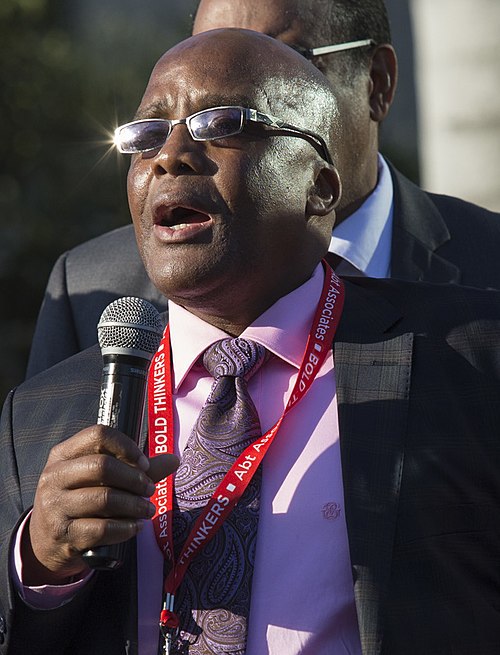
Aaron Motsoaledi
LP; Minister of Home Affairs • South Africa
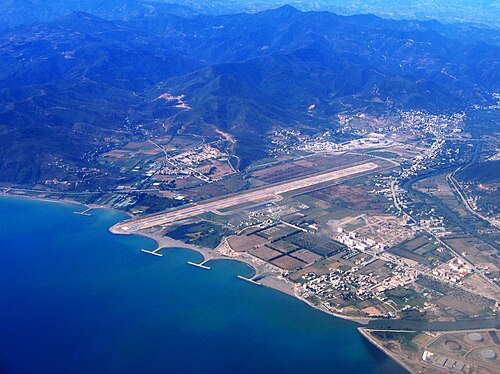
Abane Ramdane†
FLN Leader & Strategist • Algeria
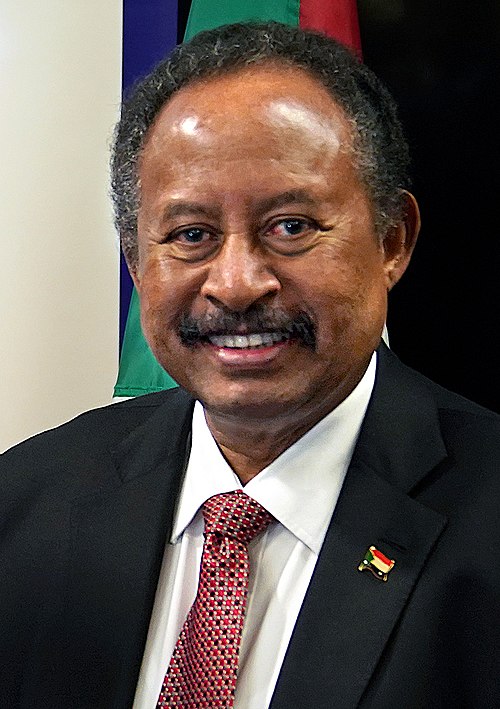
Abdalla Hamdok
Ex-Prime Minister • Sudan
Abdallah Kigoda
Ex-Minister of Natural Resources • Tanzania