Financial Breakdown
Asset Distribution
Assets vs Liabilities
Assets
Disclaimer: These financial estimates are based on publicly available information and should be considered approximate. Last updated: 12/31/2025
Biography
Introduction: The Pen and the Camera as Weapons of Liberation
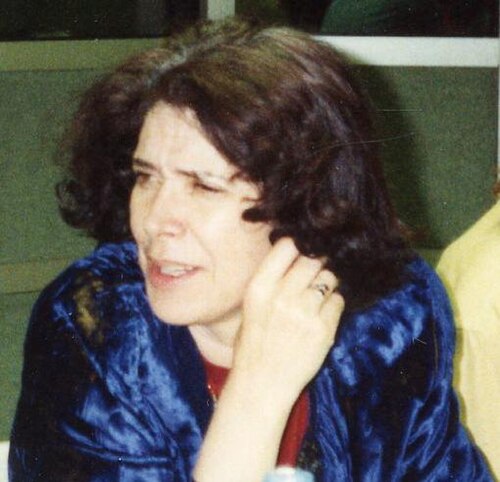
Assia Djebar†, born Fatima-Zohra Imalayen, stands as one of the most formidable and influential literary and cinematic voices to emerge from Algeria and the Francophone world. A pioneering Novelist & Filmmaker, her life's work is a profound exploration of the intertwined struggles for national liberation and women's emancipation. Operating at the crossroads of Arts & Culture, history, and language, Assia Djebar† dedicated her career to excavating the silenced histories of Algerian women, giving them narrative form through both the written word and the visual frame. Her key achievement lies in her unflinching commitment to portraying the female experience within the complex tapestry of Algerian society, from the trauma of colonialism and war to the ongoing challenges of post-independence identity. In 2005, her immense contribution to world literature was recognized when she became the first Maghreb writer elected to the prestigious Académie Française, a historic milestone that cemented her global legacy.
Early Life & Education: Between the Veil and the Quill
Assia Djebar† was born on June 30, 1936, in Cherchell, a coastal town in Algeria rich with Roman and Arab-Berber history. Her father, a French-language teacher, provided her with a unique educational path that would define her artistic trajectory. She attended a French primary school, a rarity for an Algerian girl at the time, and later studied at the prestigious Collège de Blida. In 1954, the very year the Algerian War of Independence began, she made history by becoming the first Algerian woman to be admitted to the École Normale Supérieure in Sèvres, France. This experience placed her at a profound personal and political crossroads—immersed in the culture of the colonizer while her homeland erupted in a bloody struggle for freedom.
Her formative years were marked by this duality: the privilege of French education versus the pull of her Arab-Berber heritage; the intellectual freedom of the classroom versus the traditional constraints placed on women's mobility and expression. This tension between languages (French and Arabic) and between cultures became the central fuel for her writing. She adopted the pen name Assia Djebar† early in her career—"Assia" meaning "consolation" and "Djebar" meaning "intransigence"—symbolizing the complex identity she would navigate and articulate for decades.
Career & Major Achievements: Chronicles of Resistance and Memory
The career of Assia Djebar† is a multifaceted journey through novels, short stories, poetry, plays, and film. Her literary debut, La Soif (The Mischief) in 1957, was followed by Les Impatients in 1958. However, it was with her subsequent works that she forged her distinctive voice. The seminal quartet of novels—Les Enfants du Nouveau Monde (1962), Les Alouettes Naïves (1967), L'Amour, la fantasia (1985), and Ombre Sultane (1987)—forms the core of her literary achievement.
Literary Innovation and Themes
In L'Amour, la fantasia, often considered her masterpiece, Assia Djebar† masterfully intertwines autobiographical fragments with the brutal history of the French conquest of Algeria in the 19th century. She developed a unique, polyphonic style, blending historical documentation with personal and collective memory. Her work consistently focused on:
- The Female Body and Space: Exploring women's confinement and their reclaiming of voice and movement.
- Language as Colonization and Liberation: Interrogating her use of French, the "language of the enemy," to articulate Algerian reality.
- Historical Recovery: Rescuing women's stories from the official, male-dominated narratives of war and nation-building.
Venturing into Cinema
In the 1970s, seeking a more direct connection with illiterate women and a broader audience, Assia Djebar† turned to filmmaking. Her first film, La Nouba des femmes du Mont Chenoua (1978), won the International Critics' Prize at the Venice Film Festival in 1979. This film, like her later La Zerda ou les chants de l'oubli (1982), used oral testimony, song, and fragmented narrative to piece together a collective female memory, applying her literary techniques to the cinematic medium.
Academic and Later Work
She held several academic positions, including as a professor of Francophone Literature at New York University. Her later works, such as Le Blanc de l'Algérie (1996), a meditation on the assassinated intellectuals of Algeria, and La Disparition de la langue française (2003), continued to grapple with trauma, language, and loss. Her election to the Académie Française in 2005 as its first member from the Maghreb was a landmark event, symbolizing a bridge between cultures and a recognition of Francophone literature's global importance.
Personal Life, Legacy, and Lasting Impact
Assia Djebar†'s personal life was marked by movement and exile. She was married twice, first to the writer Walid Garn and later to the poet Malek Alloula. She lived for extended periods in Algeria, France, and the United States. Her work itself was her most profound form of activism—a lifelong, intellectual philanthropy of memory dedicated to her countrywomen. She passed away on February 6, 2015, in Paris, leaving behind an indelible legacy.
The impact of Assia Djebar† is immense. She is celebrated globally as a foundational figure in:
- Postcolonial Literature: Redefining the narrative of colonized societies.
- Feminist Thought: Articulating a specifically North African and Islamic feminism centered on voice, body, and history.
- Maghrebian Arts & Culture: Inspiring generations of writers and artists across Algeria and the Arab world.
Her oeuvre serves as an essential archive of Algerian women's resilience, a critical interrogation of history, and a beautiful, challenging testament to the power of artistic expression as a tool for liberation. She remains a towering figure whose work continues to be studied, debated, and revered worldwide.
Literary Estate and Posthumous Recognition
While discussions of net worth are rarely appropriate for literary figures of such profound cultural capital, the legacy of Assia Djebar† is managed through her literary estate, which oversees the publication, translation, and intellectual property rights of her extensive body of work. Her "business" was the business of ideas and cultural preservation. The true value of her career is measured not in financial terms but in her immense literary output—over 15 novels, poetry collections, and plays—and her academic contributions. Her works are continuously reprinted, translated into numerous languages, and are staples in university curricula on postcolonial studies, world literature, and gender studies. Prizes and symposia in her name, along with the enduring sales and scholarly attention her books command, ensure that her intellectual and artistic contributions continue to resonate and support the dissemination of her ideas, cementing her status as a priceless asset to Algerian and world Arts & Culture.
References and Further Reading: For those seeking to explore the world of Assia Djebar† further, her major novels such as Fantasia: An Algerian Cavalcade and Women of Algiers in Their Apartment are essential starting points. Scholarly work on her is vast, with resources available through academic publishers and institutions like the Académie Française and the Encyclopædia Britannica.
Frequently Asked Questions
What is Assia Djebar†'s estimated net worth?
Assia Djebar† has an estimated net worth of $5.0 Million.
What is Assia Djebar†'s role and nationality?
Assia Djebar† is a Novelist & Filmmaker from Algeria.
How did Assia Djebar† make their money?
Assia Djebar† built their fortune primarily through Assia Djebar was a celebrated author and academic, not a business figure; her wealth derived from literary prizes, academic positions, and royalties, typical for a prominent intellectual..
How old is Assia Djebar†?
Assia Djebar† was born in 1936 (90 years old).
Which category is Assia Djebar† listed under?
Assia Djebar† is featured under the Arts & Culture category on NetWorth Africa.
How is Assia Djebar†'s net worth calculated?
NetWorth Africa estimates financial valuations using publicly available stock equity holdings, company ownership records, real estate assets, and verified market data.
Net Worth Analysis
Assia Djebar was a celebrated author and academic, not a business figure; her wealth derived from literary prizes, academic positions, and royalties, typical for a prominent intellectual.
Quick Stats

Related People
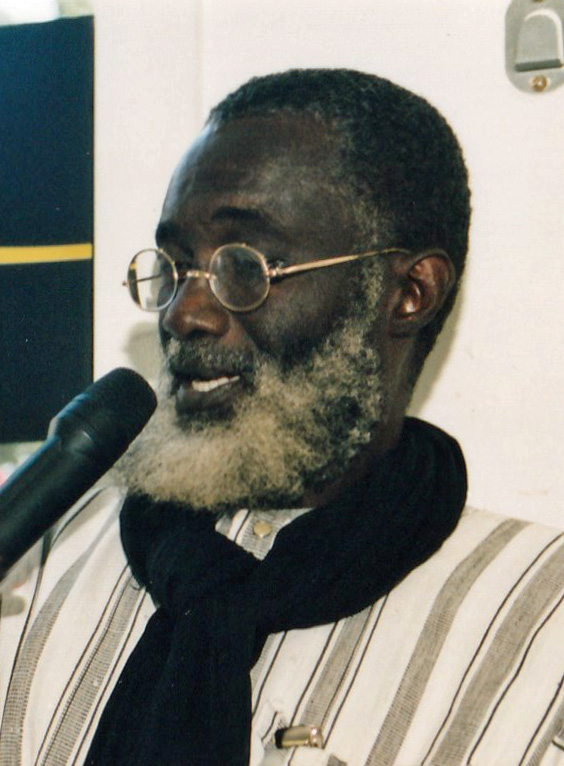
Abasse Ndione
Novelist & Playwright • Senegal
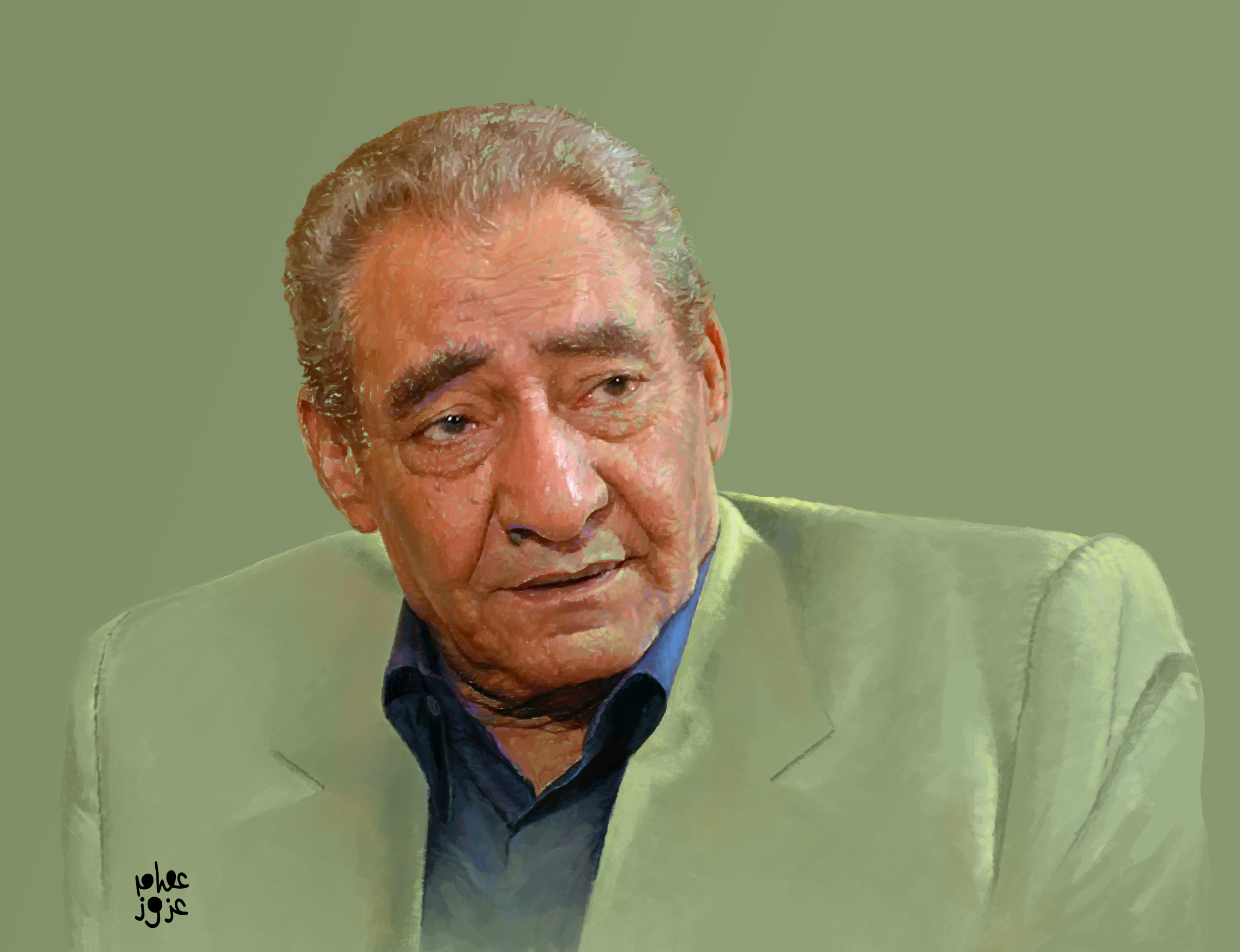
Abdel Rahman al-Abnudi†
Poet (Egypt-Sudan) • Sudan
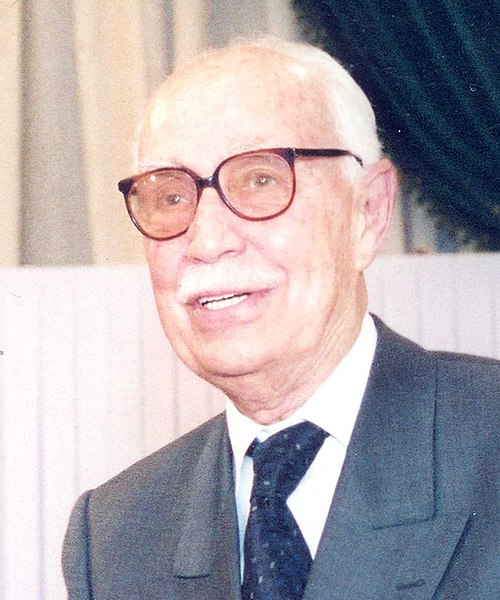
Abdelkrim Ghallab†
Novelist & Journalist • Morocco
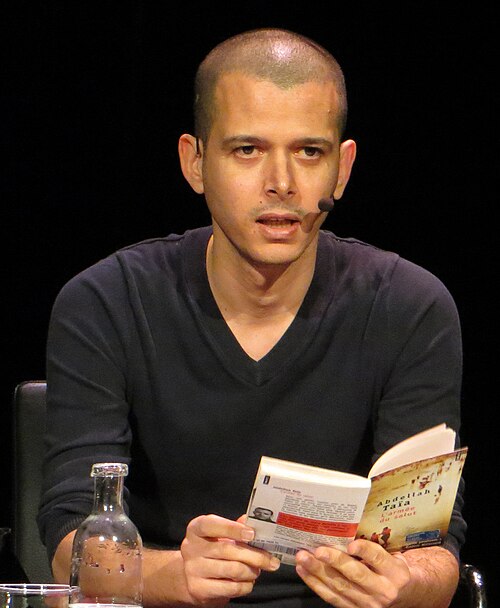
Abdellah Taïa
Novelist & Filmmaker • Morocco