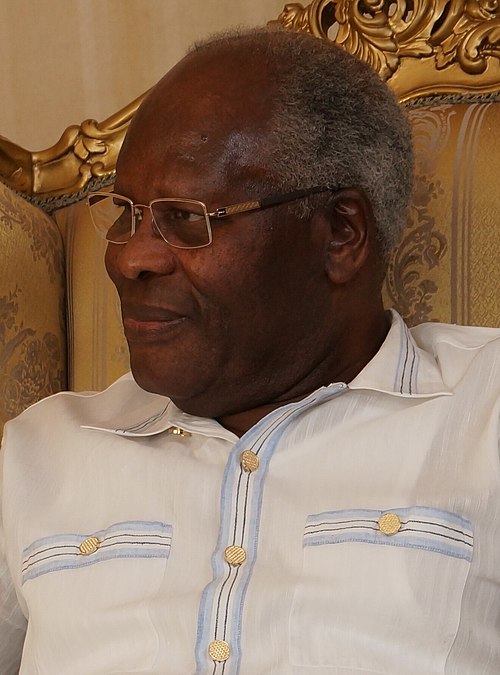
$50M
Estimated Net Worth
As of 2024 • medium confidence
Financial Breakdown
Asset Distribution
Assets vs Liabilities
Assets
Liabilities
Disclaimer: These financial estimates are based on publicly available information and should be considered approximate. Last updated: 12/29/2025
Biography
Introduction: A Democratic Pioneer
Elson Bakili Muluzi stands as a defining figure in the modern political history of Malawi. Serving as the nation's second President from 1994 to 2004, his tenure marked a profound and historic transition from Dr. Hastings Kamuzu Banda's three-decade-long, one-party authoritarian rule to a multi-party democracy. Bakili Muluzi's most notable achievement was winning the landmark 1994 presidential election, Malawi's first multi-party election in three decades, which effectively ended Banda's regime. As the leader of the United Democratic Front (UDF), he championed political freedoms, civil liberties, and economic liberalization, setting Malawi on a new course. His presidency, however, remains a subject of complex legacy, celebrated for its democratic beginnings but later scrutinized for allegations of corruption and efforts to extend his tenure.
Early Life & Education: Formative Years in Colonial Malawi
Elson Bakili Muluzi was born on March 17, 1943, in Machinga District, Nyasaland (present-day Malawi), then a British protectorate. His early life was shaped within the context of colonial rule, which would later influence his political perspectives. Demonstrating academic promise, he pursued his secondary education at the prestigious Blantyre Secondary School. His quest for higher education led him abroad, a common path for aspiring Malawian elites of his generation.
Muluzi traveled to Denmark and later to the United Kingdom, where he studied at the Bolton College of Education (Technical) and the Thames College of London. He earned teaching qualifications and a diploma in accountancy, equipping him with a diverse skill set. These formative years in Europe exposed him to democratic ideals and systems of governance starkly different from the one-party state emerging in his homeland under Dr. Banda. Upon returning to Malawi, he initially worked as a teacher and later ventured into business, establishing himself as a successful entrepreneur before fully entering the political arena. This blend of education, international exposure, and business acumen provided a unique foundation for his future political career.
Career & Major Achievements: From Minister to President
Bakili Muluzi's political career began within the very system he would later challenge. During the one-party era, he served as a Member of Parliament and held several ministerial portfolios under President Banda's Malawi Congress Party (MCP) government, including Minister of Youth and Sports. However, growing disillusionment with the regime's autocratic nature led to his eventual departure from the cabinet.
The Democratic Transition and First Term (1994-1999)
In 1992, amidst growing domestic and international pressure for reform, Muluzi became a founding member and leader of the United Democratic Front (UDF), a party advocating for multi-party democracy. In the historic 1994 presidential election, he defeated the aging Dr. Banda, securing 47% of the vote in a field of four candidates. This victory was monumental, symbolizing a peaceful transfer of power and the dawn of a new democratic era for Malawi.
His first term was characterized by significant political and social reforms:
- Restoration of Civil Liberties: He repealed oppressive laws, freed political prisoners, and guaranteed freedom of speech and the press.
- Economic Structural Adjustment: His administration embraced liberal economic policies, privatizing state-owned enterprises to stimulate growth.
- Foreign Policy Re-alignment: Muluzi re-established diplomatic relations with neighboring countries and engaged actively with international financial institutions and Western donors.
Second Term and Controversial Legacy (1999-2004)
Re-elected in 1999, Bakili Muluzi's second term became increasingly contentious. The most significant controversy was his attempt to amend the constitution to allow him to run for a third term in 2004. This move sparked widespread domestic protest and donor criticism, leading him to eventually relent. He handpicked his successor, Bingu wa Mutharika, who won the 2004 election under the UDF banner. However, Mutharika's subsequent anti-corruption drive, which targeted Muluzi's allies, led to a dramatic falling out. Post-presidency, Muluzi faced serious legal challenges, including being arrested and charged in 2009 with embezzling millions of dollars of donor aid. The case experienced numerous delays and was ultimately dismissed in 2020, leaving a cloud of unresolved allegations over his financial conduct in office.
Personal Life, Philanthropy, and Lasting Impact
Outside the political sphere, Bakili Muluzi is known as a devout Muslim in a predominantly Christian nation, which highlighted Malawi's religious diversity. He has been married multiple times and is a father to several children. A significant aspect of his public persona has been his philanthropy, particularly through the Bakili Muluzi Foundation. Established during his presidency, the foundation has been involved in various charitable activities, including:
- Funding educational scholarships for underprivileged students.
- Supporting healthcare initiatives and hospital construction.
- Providing disaster relief and community development projects.
Muluzi's lasting impact on Malawi is deeply paradoxical. He is irrevocably credited as the father of Malawian democracy, the man who dismantled a dictatorship and established pluralistic politics. His era saw an explosion of political and media freedom. Yet, his legacy is equally marred by the perception that his later years in power cultivated a culture of corruption and patronage politics that hindered Malawi's development. The constitutional crisis over the third-term bid also posed a significant test to the democratic institutions he helped create. Thus, Bakili Muluzi remains a pivotal but polarizing figure, embodying both the hopes of Malawi's democratic awakening and the challenges of consolidating democratic governance.
Net Worth & Business Ventures
Bakili Muluzi's financial standing has been a persistent topic of speculation and legal scrutiny in Malawi. Prior to his presidency, he was a successful businessman with interests in various sectors. His estimated net worth has never been officially confirmed but is believed to be substantial, stemming from a combination of his pre-political business acumen and his long tenure in high public office. His business ventures reportedly included holdings in agriculture, transportation, and retail. However, the source of his wealth became intensely controversial post-2004. The high-profile corruption case brought against him by the Anti-Corruption Bureau (ACB) alleged the misappropriation of over $11 million in donor funds. While the case was dismissed after a protracted legal battle, it cemented public perception of significant wealth accumulation during his presidency. Consequently, discussions about Bakili Muluzi's net worth are inextricably linked to the broader debates about governance and accountability that define his complex political legacy.
Net Worth Analysis
As a former president of Malawi, a low-income country, his wealth is not on the Forbes Africa rich list and is likely derived from his political career and associated business interests, estimated in the tens of millions.
Quick Stats
Related People
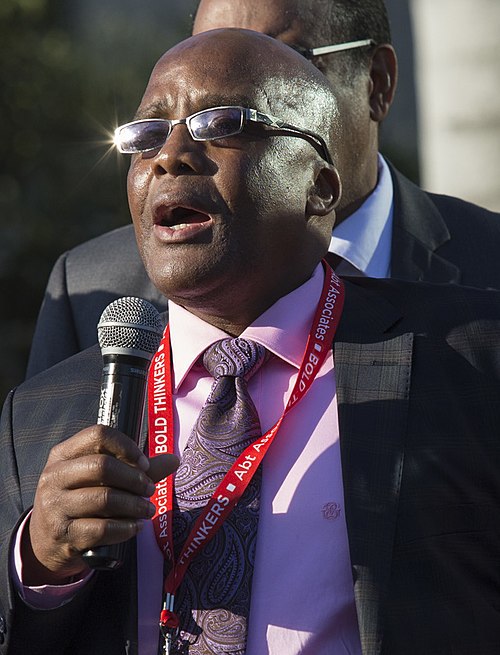
Aaron Motsoaledi
LP; Minister of Home Affairs
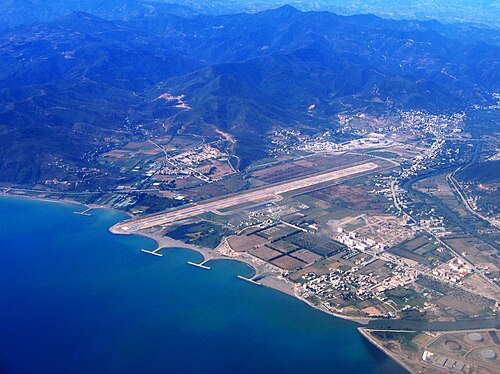
Abane Ramdane†
FLN Leader & Strategist
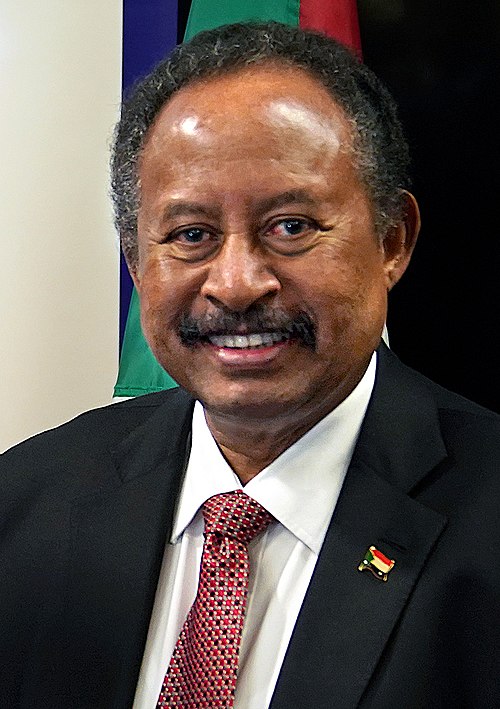
Abdalla Hamdok
Ex-Prime Minister
Abdallah Kigoda
Ex-Minister of Natural Resources