Biography
Introduction: The Pillar of Crioulo Identity
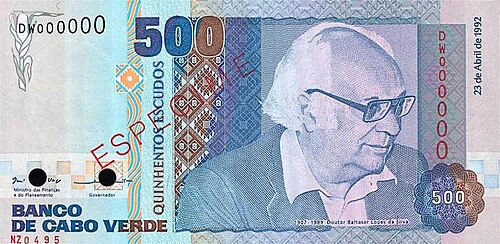
Baltasar Lopes da Silva, known universally as Baltasar Lopes† (1907–1989), stands as the foundational pillar of modern Cape Verdean literature and a towering figure in Lusophone Arts & Culture. More than just a Novelist & Poet, he was a linguist, educator, and cultural theorist who dedicated his life to defining and celebrating the unique Crioulo (Creole) identity of his archipelago nation. His seminal achievement, the novel Chiquinho (1947), is widely regarded as the national novel of Cape Verde, offering an unparalleled portrait of the people's struggles with drought, famine, emigration, and their profound connection to the land and sea. Through his multifaceted work, Baltasar Lopes† gave a voice and a formal literary structure to the Cape Verdean experience, ensuring its stories resonated globally.
Early Life & Education: Forging an Intellectual on the Islands
Baltasar Lopes was born on April 23, 1907, on the island of São Vicente, Cape Verde. His formative years were spent immersed in the rich oral traditions and the stark socio-economic realities of the islands, experiences that would later permeate his writing. He received his secondary education at the prestigious Liceu Gil Eanes in Mindelo, a hub for the burgeoning Cape Verdean intellectual elite. Demonstrating exceptional academic promise, he secured a scholarship to pursue higher education in Portugal, a common path for bright colonial subjects.
In the 1930s, he studied Law and Romance Philology at the University of Lisbon. It was in the metropole that he encountered other young intellectuals from Portugal's African colonies, engaging in fervent discussions about identity, colonialism, and the role of culture. This period was crucial for his development. He graduated in 1936, returning to Cape Verde not just as a lawyer but as a deeply educated philologist equipped with the tools to analyze and elevate the Crioulo language and its cultural expressions. He began his career as a teacher and later rector at the same Liceu Gil Eanes where he had studied, shaping generations of future thinkers.
Career & Major Achievements: Defining a National Literature
The career of Baltasar Lopes† is a tapestry woven from literary creation, linguistic scholarship, and cultural leadership. His work cannot be siloed into a single discipline, as each facet informed the others in his mission to articulate Cape Verdeanness.
The Claridade Movement and Literary Revolution
In 1936, alongside fellow intellectuals like Jorge Barbosa and Manuel Lopes, Baltasar Lopes co-founded the literary journal Claridade (Clarity). This publication marked a watershed moment in the Arts & Culture of Cape Verde. It broke from the dominant Portuguese literary models to focus on local themes, landscapes, and people. The movement, known as Claridosos, advocated for a literature of social realism that honestly depicted the hardships of island life—the secas (droughts), hunger, and the longing of saudade—while also celebrating Crioulo language and folklore. Baltasar Lopes† was its leading theoretician and most accomplished creative voice.
Chiquinho: The National Novel
His masterpiece, Chiquinho, published in 1947, is the crowning achievement of this movement. The novel follows the life of its eponymous protagonist from childhood on the island of São Nicolau through his education in Mindelo and Lisbon, culminating in a return to his homeland. It masterfully portrays the central dilemma of Cape Verdean life: the tension between the deep-rooted love for the islands and the economic necessity of emigration. The novel's structure, blending narrative with ethnographic detail, and its use of Crioulo within a Portuguese prose framework, made it a revolutionary text. It provided a comprehensive literary mirror for the Cape Verdean people, solidifying Baltasar Lopes† as the nation's foremost Novelist & Poet.
Poetic and Linguistic Contributions
His literary output extended beyond prose. Under the pseudonym Osvaldo Alcântara, he published the poetry collection Claridoso (1947), which further explored themes of identity and belonging. His scholarly work was equally groundbreaking. In 1957, he published O Dialecto Crioulo de Cabo Verde (The Creole Dialect of Cape Verde), the first systematic scientific study of Cape Verdean Creole. This work legitimized the language as a rich, rule-governed system worthy of academic study and cultural pride, laying the groundwork for its eventual officialization.
- 1947: Publishes the novel Chiquinho and poetry collection Claridoso.
- 1951: Wins the Prémio Fernão Mendes Pinto for his short story collection Os Trabalhos e os Dias (The Works and the Days).
- 1957: Publishes the seminal linguistic study O Dialecto Crioulo de Cabo Verde.
- 1960s-1980s: Continues to write, teach, and influence Cape Verdean cultural policy until his passing in 1989.
Personal Life & Legacy: The Enduring Teacher
Baltasar Lopes was described as a reserved yet deeply passionate man, devoted to his students and his country. He married Elena Vaz de Sousa, and their home was a gathering place for intellectuals. In his later years, he suffered from a debilitating illness but continued to write and advise. His legacy is inextricable from the modern identity of Cape Verde. He transformed Cape Verdean literature from a peripheral curiosity into a central field of Lusophone and post-colonial studies. The Crioulo language he studied and championed is now a national language alongside Portuguese, used in literature, media, and government.
His influence is seen in every major Cape Verdean writer who followed, from Germano Almeida to Corsino Fortes. Institutions, schools, and cultural prizes bear his name. More than any single work, his enduring legacy is the framework he built—a framework that allowed a nation to see its own reflection in literature, to value its own voice, and to claim its rightful place in the world of Arts & Culture. Baltasar Lopes† did not just write about Cape Verde; he helped to imagine it into being as a modern cultural nation.
Net Worth & Business: The Intellectual's Contribution
While specific details of Baltasar Lopes's personal finances are not a matter of public record, it is important to contextualize his "wealth" within the framework of his profession and era. As a secondary school teacher, rector, and intellectual in mid-20th century Cape Verde—a territory then grappling with poverty and colonial neglect—his economic means were likely modest. His "capital" was intellectual and cultural, not financial.
He did not engage in commercial business ventures in the traditional sense. His life's work was the business of nation-building through culture. His primary "assets" were his prolific writings, his transformative educational work, and his immense cultural authority. The true value of his career is measured in its monumental impact on a nation's identity. In today's terms, his legacy generates immense cultural capital for Cape Verde, influencing tourism, academic study, and national pride. The continued publication, study, and celebration of his works, both within Cape Verde and internationally, represent the enduring and priceless yield on his lifelong intellectual investment.
Sources & Further Reading: The works of Baltasar Lopes, including Chiquinho and O Dialecto Crioulo de Cabo Verde, are primary sources. Academic analyses of the Claridade movement and Cape Verdean literature provide critical context. Reputable resources include the Encyclopædia Britannica, scholarly databases like JSTOR, and cultural institutions such as the UNESCO database for Portuguese-language authors.
Frequently Asked Questions
What is Baltasar Lopes†'s estimated net worth?
Baltasar Lopes† has an estimated net worth of $500,000.
What is Baltasar Lopes†'s role and nationality?
Baltasar Lopes† is a Novelist & Poet from Cape Verde.
How did Baltasar Lopes† make their money?
Baltasar Lopes† built their fortune primarily through Baltasar Lopes was a celebrated literary figure, not a businessperson, and died in 1989; his legacy is cultural, not financial, with any modern estate value being modest..
How old is Baltasar Lopes†?
Baltasar Lopes† was born in 1907 (119 years old).
Which category is Baltasar Lopes† listed under?
Baltasar Lopes† is featured under the Arts & Culture category on NetWorth Africa.
How is Baltasar Lopes†'s net worth calculated?
NetWorth Africa estimates financial valuations using publicly available stock equity holdings, company ownership records, real estate assets, and verified market data.
Net Worth Analysis
Baltasar Lopes was a celebrated literary figure, not a businessperson, and died in 1989; his legacy is cultural, not financial, with any modern estate value being modest.
Quick Stats
Related People
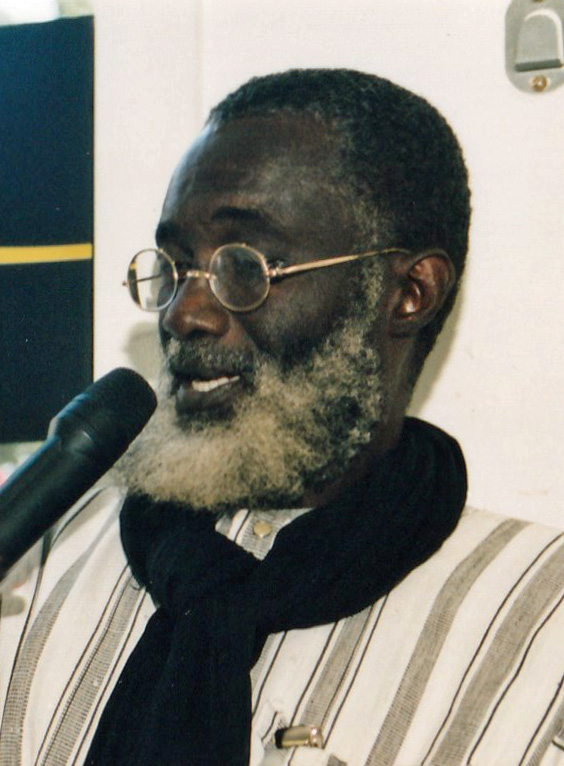
Abasse Ndione
Novelist & Playwright • Senegal
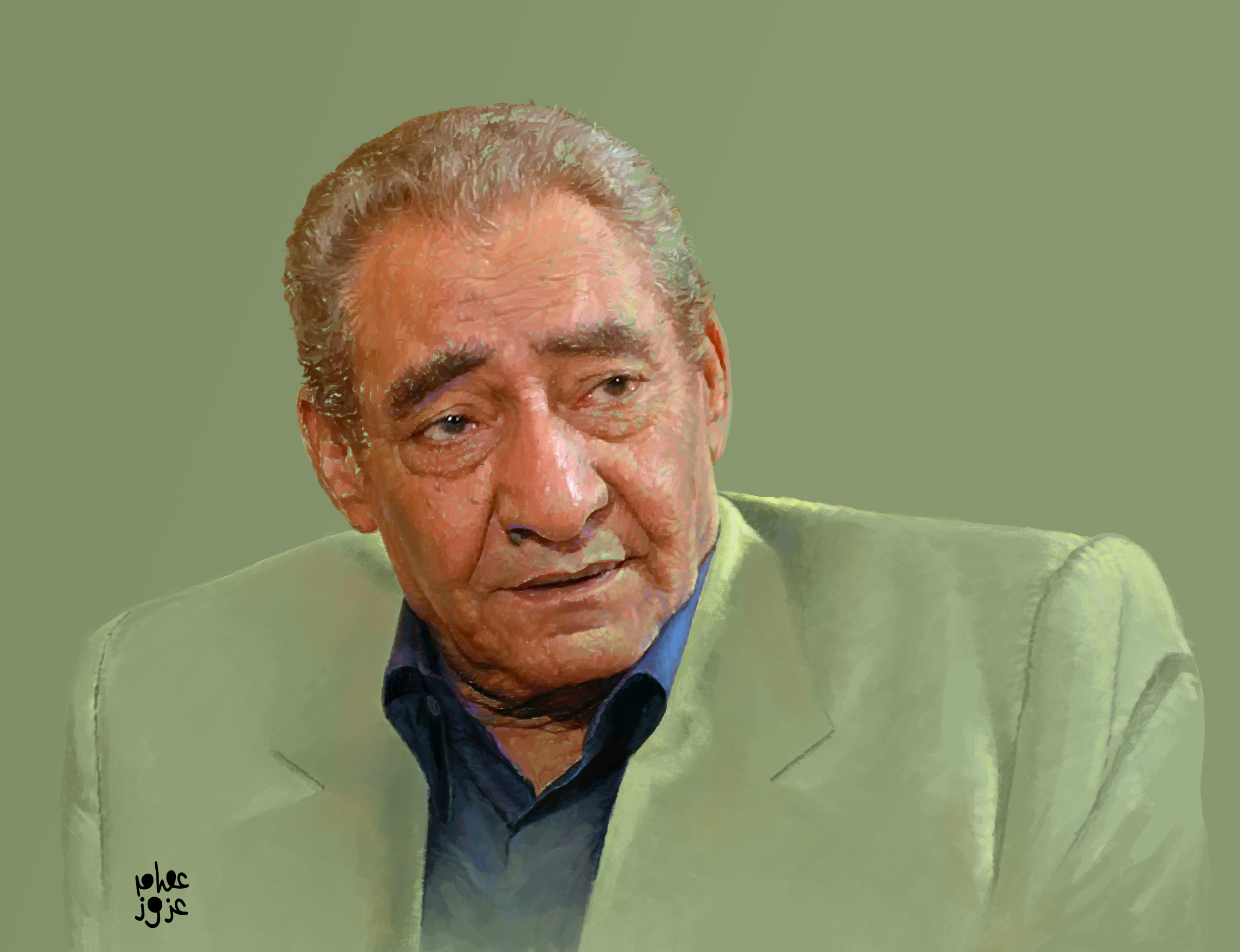
Abdel Rahman al-Abnudi†
Poet (Egypt-Sudan) • Sudan
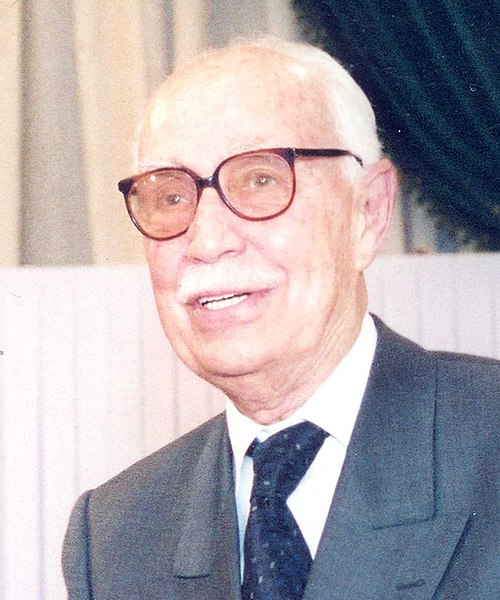
Abdelkrim Ghallab†
Novelist & Journalist • Morocco
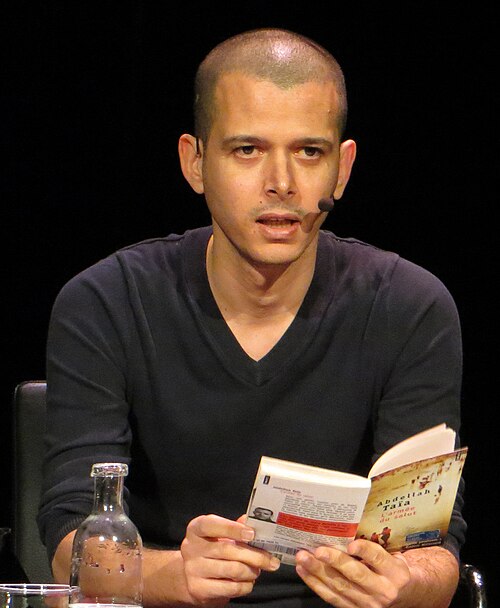
Abdellah Taïa
Novelist & Filmmaker • Morocco