Financial Breakdown
Asset Distribution
Assets vs Liabilities
Assets
Disclaimer: These financial estimates are based on publicly available information and should be considered approximate. Last updated: 12/29/2025
Biography
Introduction: A Pillar of Tunisian Statehood
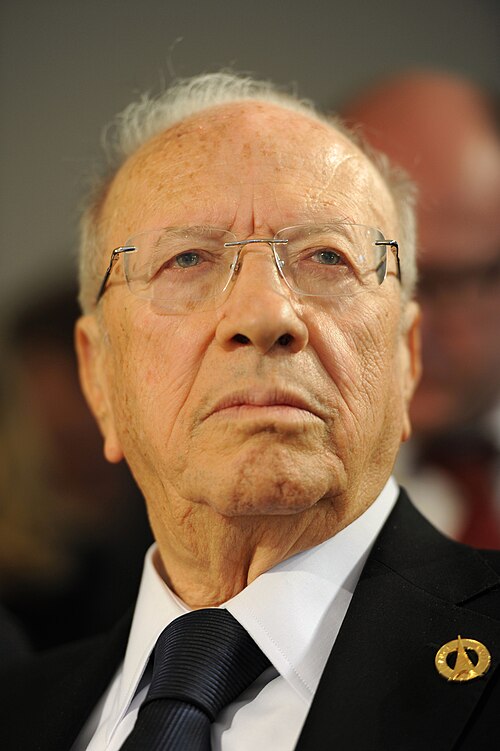
Beji Caid Essebsi† stands as a monumental figure in the modern history of Tunisia. As the nation's first democratically elected president following the 2011 Jasmine Revolution, his presidency symbolized a critical bridge between Tunisia's foundational post-independence era and its fragile, nascent democracy. Born in 1926, Beji Caid Essebsi† served under every single administration since independence in 1956, embodying the institutional memory of the Tunisian state. His most notable achievement was steering Tunisia through its tumultuous democratic transition, culminating in the peaceful transfer of power after his death in 2019—a rare success story in the Politics & Government landscape of the Arab Spring. His tenure as Ex-President of Tunisia cemented his legacy as a stabilizing force who championed civil liberties, gender equality, and consensus politics.
Early Life & Education: The Formative Years
Beji Caid Essebsi was born on November 29, 1926, into a prominent family in the capital city of Tunis. His upbringing was steeped in both tradition and privilege; the "Caid" in his name denoted a title of authority, reflecting his family's historical status. This background provided him with a unique perspective on Tunisian society and governance from a young age.
Academic Foundations and Political Awakening
Essebsi pursued higher education in Paris, France, where he earned a law degree. This period abroad exposed him to Western legal and political philosophies, which would later influence his approach to governance. Upon returning to Tunisia in the early 1950s, he entered the legal profession just as the anti-colonial movement, led by Habib Bourguiba's Neo Destour party, was reaching its peak. His education and family connections positioned him perfectly for a role in the soon-to-be-independent nation's fledgling institutions. His formative experiences were shaped by the final years of the French protectorate, instilling in him a strong sense of nationalism and a pragmatic approach to state-building.
Career & Major Achievements: A Statesman's Journey
The career of Beji Caid Essebsi† is essentially the political history of modern Tunisia. His longevity and adaptability are unmatched in Tunisian Politics & Government.
Architect of the Bourguiba State (1956-1987)
After independence in 1956, President Habib Bourguiba appointed the young lawyer as his legal advisor. Essebsi quickly rose through the ranks, holding a series of crucial ministerial portfolios:
- Director of National Security (1965): Where he oversaw the police and internal security apparatus.
- Minister of the Interior (1965-1969, 1970-1971): A powerful role managing domestic affairs.
- Minister of Defense (1969-1970): Briefly leading the military establishment.
- Minister of Foreign Affairs (1981-1986): Representing Tunisia on the global stage during a challenging economic period.
Speaker and Opposition Figure
Under President Zine El Abidine Ben Ali, Essebsi served as Speaker of the Chamber of Deputies (1990-1991). However, he later distanced himself from the authoritarian regime and spent years in political retirement. This distance ironically bolstered his credibility when history called upon him in 2011.
The Crucible of Revolution and Democratic Transition
His most critical role came after the 2011 revolution that ousted Ben Ali. Appointed as Interim Prime Minister in February 2011, Beji Caid Essebsi† faced the Herculean task of restoring order, organizing the first free elections, and dismantling the old regime's structures without causing state collapse. His calm, authoritative demeanor provided much-needed stability. In 2014, he founded the secular party Nidaa Tounes, a big-tent coalition designed to counter the influence of Islamist parties. At the age of 88, he ran for and won the 2014 presidential election, defeating the incumbent Moncef Marzouki.
Presidential Legacy (2014-2019)
As Ex-President of Tunisia, his major achievements included:
- Presiding over the adoption of a new, progressive constitution in 2014.
- Championing the National Dialogue that earned the Tunisian National Dialogue Quartet the 2015 Nobel Peace Prize.
- Signing into law a groundbreaking reconciliation bill for economic crimes and advancing women's rights, notably by decreeing that Muslim women could marry non-Muslim men.
- Maintaining a strategic, if sometimes tense, coalition with the Islamist Ennahda party, proving that secular and Islamist forces could share power.
Personal Life & Legacy: The Patriarch's Imprint
Beji Caid Essebsi was married to Chadlia Saïda Farhat, with whom he had four children. His son, Hafedh Caid Essebsi, became a significant figure within Nidaa Tounes. Known for his sharp wit, eloquent French, and unwavering pragmatism, Essebsi was often seen as a patriarchal figure—"Bebji" or "Grandpa" to some, a relic of the old guard to others.
Enduring Impact on Tunisia
His death in office on July 25, 2019, at the age of 92, was a moment of national solemnity. The peaceful, constitutional succession that followed, with Speaker Mohamed Ennaceur assuming interim duties, was a testament to the democratic institutions Essebsi had helped shepherd. His legacy is complex: a product of the authoritarian Bourguiba state who became a midwife for Tunisian democracy. He is remembered for his political acumen, his defense of a civil state, and his role in ensuring that Tunisia's post-revolutionary path, though rocky, remained democratic. The passing of Beji Caid Essebsi† marked the end of a direct link to Tunisia's independence generation.
Net Worth & Business Ventures
Unlike many long-serving officials in the region, Beji Caid Essebsi† was not widely associated with vast personal wealth or significant private business ventures. His career was almost entirely within the realm of public service and Politics & Government. While precise figures of his net worth were never officially disclosed and are not a matter of public record, his lifestyle was perceived as that of the established political elite rather than a business magnate. His family's historical wealth was tied to land and status. Any financial success was intrinsically linked to his political career, with assets likely consisting of family holdings, a state pension, and possibly legal or consulting work during his periods outside government. In the context of Tunisian politics post-revolution, where corruption was a central issue, Essebsi largely maintained a reputation of personal financial integrity, though his party and family were not immune to scrutiny. His primary capital was undeniably political, built over seven decades of navigating the highest echelons of power in Tunisia.
Frequently Asked Questions
What is Beji Caid Essebsi†'s estimated net worth?
Beji Caid Essebsi† has an estimated net worth of $5.0 Million.
What is Beji Caid Essebsi†'s role and nationality?
Beji Caid Essebsi† is a Ex-President of Tunisia from Tunisia.
How did Beji Caid Essebsi† make their money?
Beji Caid Essebsi† built their fortune primarily through Beji Caid Essebsi was a career politician and statesman, not a business figure, and was not listed on any billionaire wealth rankings. His wealth was likely derived from his long public service career..
How old is Beji Caid Essebsi†?
Beji Caid Essebsi† was born in 1926 (100 years old).
Which category is Beji Caid Essebsi† listed under?
Beji Caid Essebsi† is featured under the Politics & Government category on NetWorth Africa.
How is Beji Caid Essebsi†'s net worth calculated?
NetWorth Africa estimates financial valuations using publicly available stock equity holdings, company ownership records, real estate assets, and verified market data.
Net Worth Analysis
Beji Caid Essebsi was a career politician and statesman, not a business figure, and was not listed on any billionaire wealth rankings. His wealth was likely derived from his long public service career.
Quick Stats
Related People
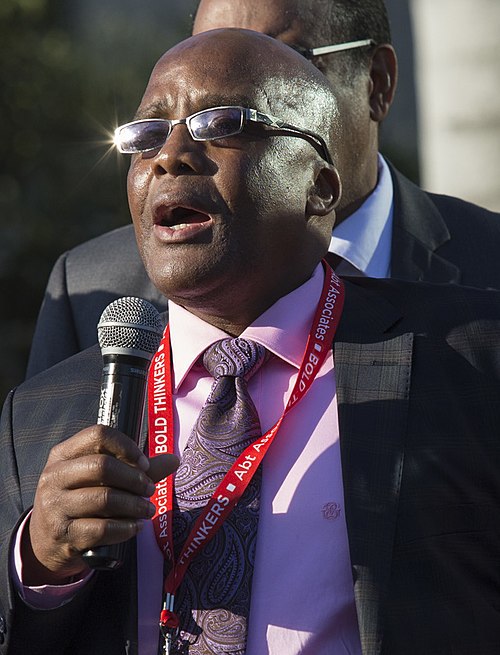
Aaron Motsoaledi
LP; Minister of Home Affairs • South Africa
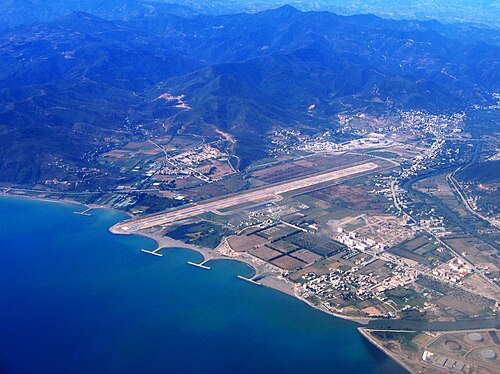
Abane Ramdane†
FLN Leader & Strategist • Algeria
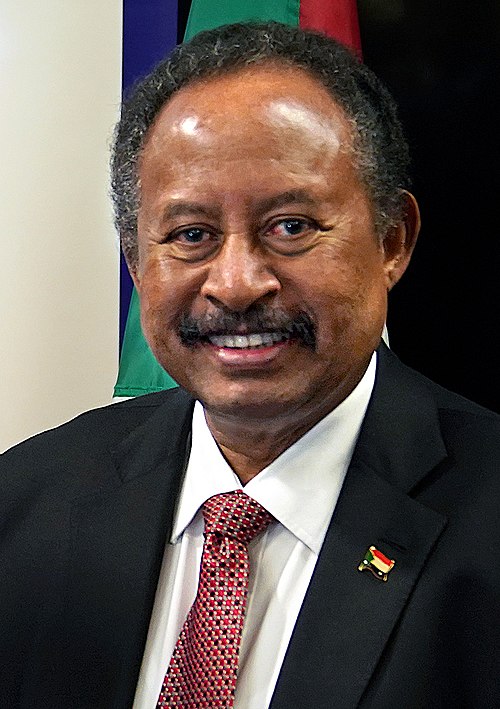
Abdalla Hamdok
Ex-Prime Minister • Sudan
Abdallah Kigoda
Ex-Minister of Natural Resources • Tanzania