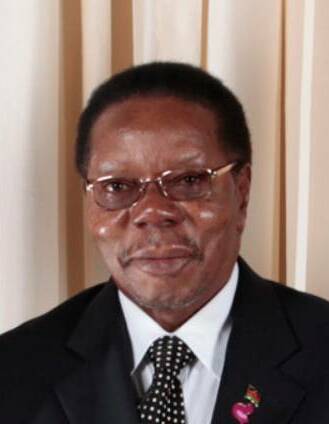
$10M
Estimated Net Worth
As of 2024 • medium confidence
Financial Breakdown
Asset Distribution
Assets vs Liabilities
Assets
Disclaimer: These financial estimates are based on publicly available information and should be considered approximate. Last updated: 12/29/2025
Biography
Introduction: The Architect of Malawi's Green Revolution
Bingu wa Mutharika† (1934-2012) served as the third President of the Republic of Malawi from 2004 until his sudden death in 2012. A prominent figure in Politics & Government across Southern Africa, his legacy is a study in stark contrasts. He is most notably remembered for orchestrating a dramatic agricultural transformation that turned Malawi from a food-deficient nation into a regional breadbasket. His tenure, however, was also marked by growing authoritarian tendencies, economic turbulence in his second term, and a profound political rift with his predecessor. As an Ex-President (2004-2012), Bingu wa Mutharika's impact on Malawi remains deeply debated, embodying both the potential for visionary Executive Leadership and the perils of concentrated power.
Early Life & Education: Foundations of a Technocrat
Bingu wa Mutharika was born Brightson Webster Ryson Thom on February 24, 1934, in Thyolo, Nyasaland (now Malawi). He later adopted the name "Bingu wa Mutharika," which reflected his cultural heritage. His early life was shaped by the political awakening of the region under British colonial rule. After completing his secondary education at Dedza Government Secondary School, his academic prowess paved the way for a distinguished educational journey abroad, a path taken by many future African leaders of his generation.
Academic Pursuits and International Exposure
Mutharika earned a Bachelor of Arts degree in Economics from the University of Delhi, India, in 1958. He further solidified his expertise as an economist with a Master of Arts in Economics, followed by a PhD in Development Economics from Pacific Western University in the United States. His academic formation was complemented by extensive international experience. He worked for the World Bank, the United Nations Economic Commission for Africa, and served as Secretary-General of the Common Market for Eastern and Southern Africa (COMESA) from 1991 to 1997. This technocratic background, rare among Malawian politicians at the time, heavily influenced his policy-driven approach to governance.
Career & Major Achievements: From Economic Revival to Political Crisis
Bingu wa Mutharika's political career in Malawi began under the wing of President Bakili Muluzi. Initially appointed as Governor of the Reserve Bank, he later served as Minister of Economic Planning and Development. However, his presidential ambitions led him to form his own party, the United Democratic Front (UDF), though he initially struggled to gain traction. In a surprising move, Muluzi anointed Mutharika as his successor for the 2004 election, which he won.
The First Term: The Fertilizer Subsidy and Economic Growth
Upon assuming office in May 2004, President Bingu wa Mutharika† inherited a nation plagued by chronic food insecurity. Defying the orthodox economic advice of international donors, his government in 2005 launched the Agricultural Input Subsidy Programme (AISP). This policy provided smallholder farmers with vouchers for cheap fertilizer and improved maize seeds. The results were transformative:
- Maize production tripled within two years.
- Malawi moved from a food aid recipient to a net food exporter.
- The program was hailed as a "Malawi Miracle" and studied worldwide.
The Second Term: Consolidation and Controversy
Re-elected in 2009 on the back of his agricultural success, his second term saw a troubling shift. His Executive Leadership became increasingly autocratic. He faced widespread criticism for:
- Passing laws seen as curtailing press freedom and civil liberties.
- An increasingly hostile relationship with the political opposition and civil society.
- A deteriorating diplomatic stance, including a high-profile feud with the UK ambassador.
- Severe foreign exchange shortages and economic mismanagement.
Personal Life, Death, and Legacy
Bingu wa Mutharika was married to Ethel Mutharika until her death in 2007. He later married Callista Mutharika. He was known for his intellectual demeanor, a result of his long career as an economist and author of several books on development. His personal interests were often overshadowed by his political life, though he was a devout Catholic.
A Complex and Enduring Legacy
Bingu wa Mutharika† died of a sudden cardiac arrest on April 5, 2012. His death triggered a brief constitutional crisis as officials initially attempted to conceal it, but order was restored when Vice-President Joyce Banda succeeded him as mandated by law. His legacy is profoundly dualistic. He is rightly celebrated as the leader who proved that with bold, smart subsidies, an African nation could achieve food self-sufficiency—a model later adopted by other countries. Conversely, his later years exemplify democratic backsliding, illustrating how a leader can drift from popular reformer to isolated autocrat. In the annals of Malawi's Politics & Government, he remains the "father of the fertilizer subsidy," a pivotal yet deeply controversial figure whose policies and personal rule continue to shape the nation's trajectory.
Net Worth and Business Ventures
While precise figures are not publicly verifiable, Bingu wa Mutharika's net worth was a subject of significant controversy and speculation during and after his presidency. As an Ex-President (2004-2012) with a long international career, he accumulated assets, but allegations of unexplained wealth dogged his later years. His family, particularly his brother Peter (who later became president), was linked to significant business interests. A notable controversy involved the purchase of a private presidential jet in 2009 for approximately $13.2 million during a time of economic strain, which drew sharp criticism from donors and citizens alike. Unlike some leaders, Mutharika was not widely known for large-scale personal business ventures outside of politics; his economic legacy is tied almost entirely to his public policy decisions and the allegations of corruption that surrounded his administration's later period.
Sources and Further Reading: For verified information on Bingu wa Mutharika's life and presidency, credible sources include the Encyclopædia Britannica, official Malawian government archives, and documented reports from international bodies like the World Bank and IMF on the Malawi Agricultural Input Subsidy Programme.
Net Worth Analysis
Estimates based on typical wealth of former African presidents; no credible public source lists him as a billionaire, with wealth primarily from his political career.
Quick Stats
Related People
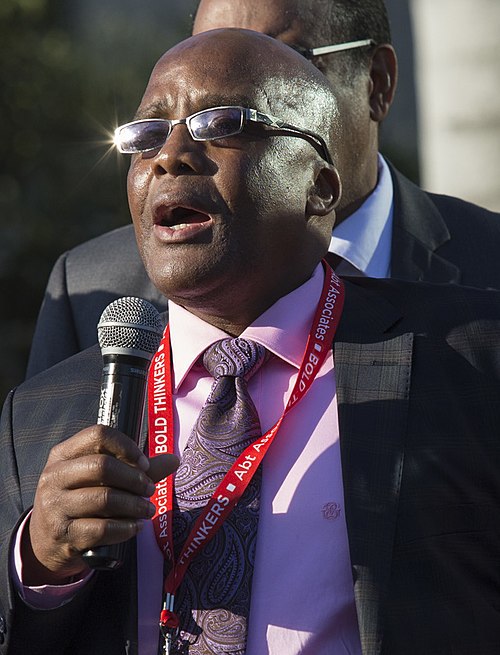
Aaron Motsoaledi
LP; Minister of Home Affairs
Abane Ramdane†
FLN Leader & Strategist
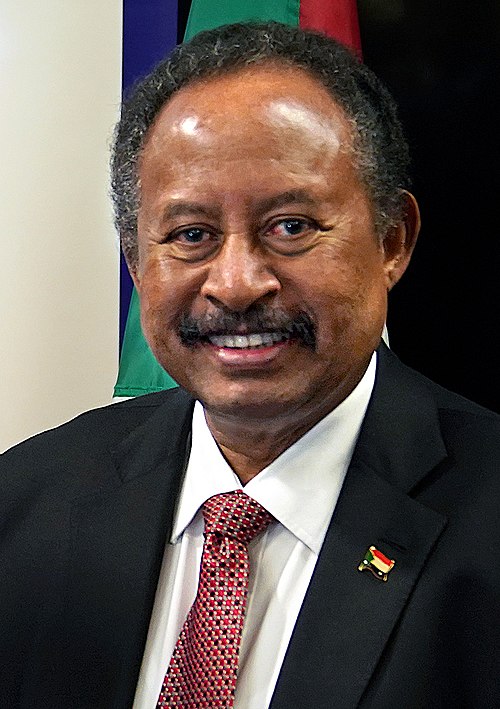
Abdalla Hamdok
Ex-Prime Minister
Abdallah Kigoda
Ex-Minister of Natural Resources