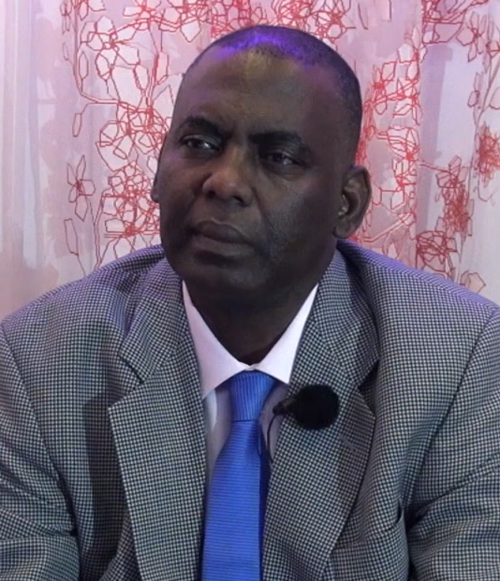
$500K
Estimated Net Worth
As of 2024 • medium confidence
Financial Breakdown
Asset Distribution
Assets vs Liabilities
Assets
Liabilities
Disclaimer: These financial estimates are based on publicly available information and should be considered approximate. Last updated: 12/30/2025
Biography
Introduction: A Modern-Day Abolitionist
Biram Dah Abeid stands as one of the most courageous and consequential figures in contemporary human rights activism. As the founder and president of the Initiative for the Resurgence of the Abolitionist Movement (IRA-Mauritania), he has dedicated his life to eradicating the entrenched practice of hereditary slavery in his native Mauritania. Born into a family of freed slaves, Biram Dah Abeid has transformed personal experience into a powerful political and social movement, challenging a system that has persisted for centuries. His relentless activism has earned him international acclaim, including multiple nominations for the Nobel Peace Prize, but has also come at a great personal cost, including repeated imprisonment. This biography explores the life and work of a man who, in the face of severe repression, continues to be the leading voice for freedom and dignity for Mauritania's most marginalized communities.
Early Life & Education: The Roots of Resistance
Biram Dah Abeid was born in 1965 in the village of Leghlig, in the southern region of Mauritania. He was born into the Haratin ethnic group, a community largely comprised of descendants of sub-Saharan Africans who have historically been enslaved by the Bidhan (Moorish) elite. Although his parents were technically freed slaves, they remained in a state of deep social and economic servitude, a condition known as "slave-like dependency." This reality shaped Abeid's worldview from his earliest days. Witnessing the systemic discrimination and brutal exploitation faced by his family and community ignited a burning desire for justice.
His pursuit of education became his first act of defiance. Against immense social and economic barriers, he excelled academically. He earned a scholarship to study history and international relations at the University of Nouakchott, and later pursued further studies in law. It was during his university years that Biram Dah Abeid began to formally organize and articulate his resistance. He immersed himself in the history of abolitionist movements worldwide and engaged with Mauritanian human rights circles. This period solidified his understanding that slavery in Mauritania was not merely a social ill but a structural pillar upheld by a combination of rigid caste hierarchy, distorted religious interpretations, and state complicity. These formative experiences laid the intellectual and moral foundation for his life's work.
Career & Major Achievements: Building the Abolitionist Movement
Biram Dah Abeid's career is synonymous with the anti-slavery struggle in Mauritania. After working with established human rights organizations, he concluded that a more radical, grassroots approach was needed. In 2008, he founded the Initiative for the Resurgence of the Abolitionist Movement (IRA-Mauritania). Unlike other groups, the IRA employed direct action tactics: organizing public protests, "freeing" slaves by accompanying them as they left their masters, and publicly denouncing slaveholders by name. This confrontational strategy brought the hidden crime of slavery into the open, creating national and international headlines.
Confronting Power and Facing Prison
The Mauritanian government, which has long downplayed the existence of slavery, responded with severe repression. Biram Dah Abeid has been arrested and imprisoned on multiple occasions, becoming a prisoner of conscience in the eyes of Amnesty International and other watchdogs. A major turning point came in 2014 when he was arrested during a protest against the government's failure to enforce its own anti-slavery laws. His subsequent imprisonment sparked global outcry. Despite being behind bars, his influence grew, and he was awarded the UN Human Rights Prize in 2013. He has also run for president twice, in 2014 and 2019, using his candidacy as a platform to amplify his anti-slavery message within the political arena of Politics & Government.
Key Achievements and Impact
- Global Awareness: Successfully internationalized the issue of slavery in Mauritania, forcing it onto agendas of the EU, UN, and major world powers.
- Legal Pressure: The IRA's activism contributed to the 2015 amendment of Mauritania's anti-slavery law, making it a crime against humanity and doubling the prison sentence for offenders (though enforcement remains weak).
- Grassroots Mobilization: Built a powerful, fearless movement of former slaves and allies, empowering thousands to claim their rights and dignity.
- International Recognition: Recipient of the UN Human Rights Prize (2013), the Front Line Defenders Award (2013), and a perennial nominee for the Nobel Peace Prize.
Through his work as an Anti-Slavery Activist, Biram Dah Abeid has shifted the narrative in Mauritania from denial to difficult acknowledgment, creating an irreversible momentum toward abolition.
Personal Life & Legacy: The Cost of Freedom
The personal life of Biram Dah Abeid is a testament to the sacrifices demanded by his cause. His activism has made him a constant target. He lives under perpetual threat, and his family has endured harassment and social ostracization. His unwavering commitment, however, has turned him into a symbol of resistance not just in Mauritania, but across the Sahel and the global human rights community. He is married and a father, and his family's resilience mirrors that of the movement he leads.
Beyond direct activism, his legacy is one of profound ideological challenge. By openly burning traditional religious texts used to justify slavery, he sparked a critical debate on the interpretation of Islam in Mauritanian society, arguing for a theology of equality. His legacy is the empowerment of the Haratin people and the creation of a new generation of activists who see freedom as a non-negotiable right. Biram Dah Abeid's story is still being written, but he has already cemented his place as the most prominent abolitionist of 21st-century Africa, inspiring all who fight against oppression.
Net Worth & Business Ventures
Biram Dah Abeid's life is not defined by financial wealth or business ventures, but by his work as a human rights defender. There is no publicly available or reliable information indicating a significant personal net worth. His resources are primarily directed toward funding the activities of the IRA-Mauritania, which relies on donations from international human rights organizations and supporters. Any financial success he experiences is intrinsically linked to the sustainability of his movement. His "business," so to speak, is activism, and his "capital" is the moral authority and international support he has garnered. His ventures are campaigns for freedom, his investments are in the lives of freed slaves, and his returns are measured in justice and dignity, not monetary gain. This focus underscores the purity of his commitment, as his work continues in the face of personal economic sacrifice and constant legal peril.
For more information on his work and current status, credible sources include reports from Amnesty International, Human Rights Watch, and the UN Human Rights Council.
Net Worth Analysis
Biram Dah Abeid is a human rights activist and political figure, not a businessperson; his wealth is not publicly documented and is presumed to be modest, derived from his activism and political work.
Quick Stats
Related People
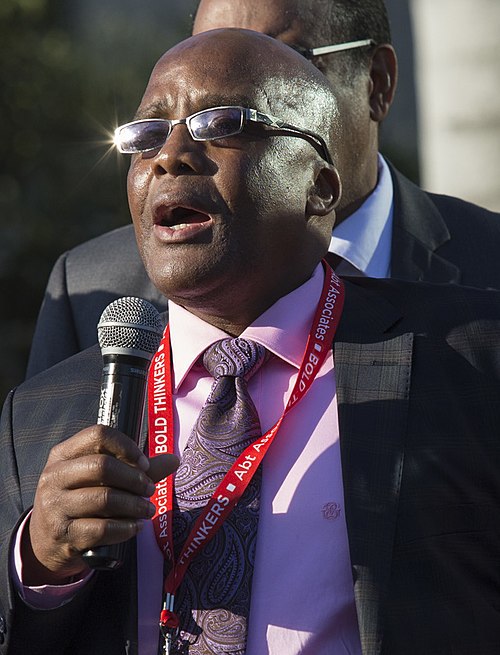
Aaron Motsoaledi
LP; Minister of Home Affairs

Abane Ramdane†
FLN Leader & Strategist
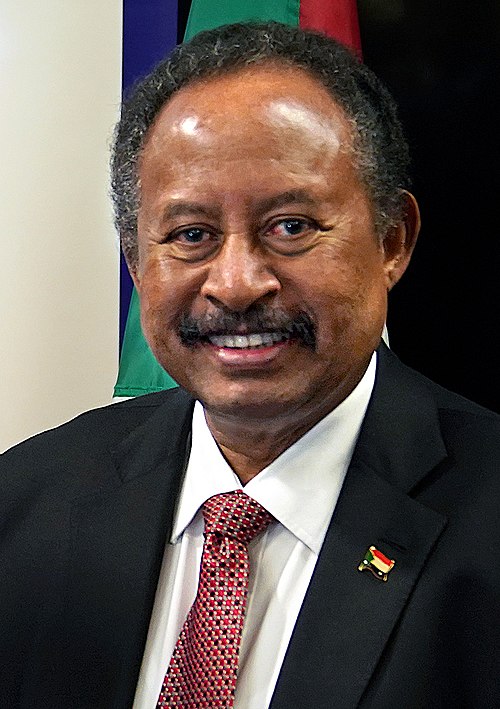
Abdalla Hamdok
Ex-Prime Minister
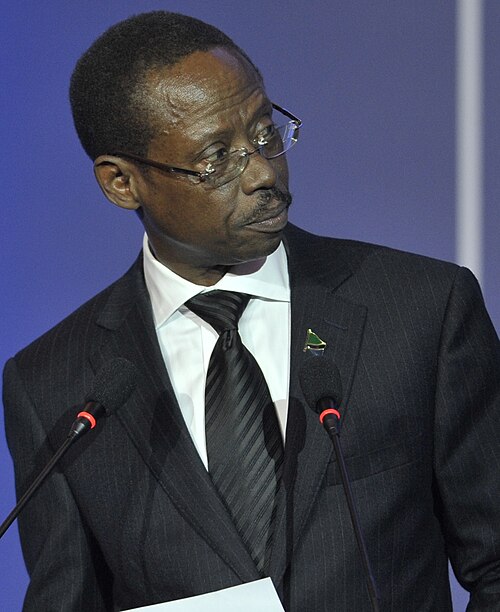
Abdallah Kigoda
Ex-Minister of Natural Resources