$500M
Estimated Net Worth
As of 2024 • low confidence
Financial Breakdown
Asset Distribution
Assets vs Liabilities
Assets
Liabilities
Disclaimer: These financial estimates are based on publicly available information and should be considered approximate. Last updated: 12/29/2025
Biography
Introduction: The Asiwaju of Lagos and 16th President of Nigeria
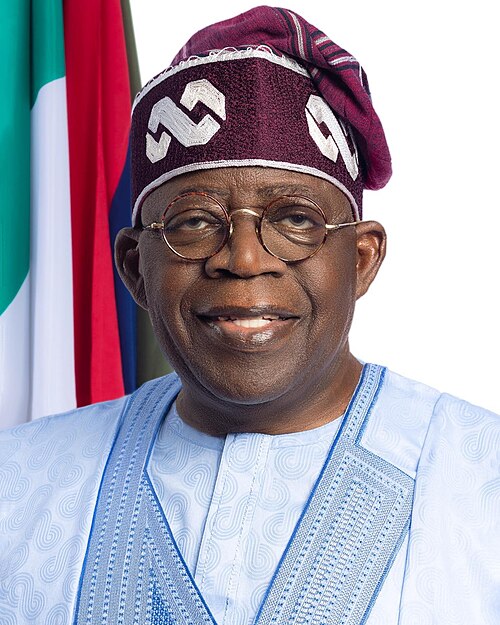
Bola Ahmed Tinubu is a pivotal figure in the contemporary Politics & Government landscape of Nigeria. Sworn in as the 16th President of Nigeria on May 29, 2023, his journey to the nation's highest office is the culmination of decades of political strategy, influence, and a reputation as a masterful political organizer. Often referred to as the "Asiwaju" (leader) of Lagos State, Tinubu's legacy was forged as a leading figure in the struggle against military dictatorship in the 1990s and as the two-term Governor of Lagos State from 1999 to 2007, where he transformed the state's governance and finances. His notable achievement lies in building a formidable political machinery that has dominated South-West Nigerian politics and ultimately propelled him to the presidency, marking a significant chapter in the nation's democratic evolution.
Early Life and Education: Formative Years
Bola Ahmed Tinubu was born on March 29, 1952, in Lagos, Nigeria, into a family with roots in Iragbiji, Osun State. His early education began at St. John's Primary School, Aroloya, Lagos, and Children's Home School in Ibadan. He later attended Government College, Ibadan, before proceeding to the United States for higher education in the 1970s.
In the United States, Tinubu's academic and early professional experiences shaped his worldview. He studied first at Richard J. Daley College in Chicago, Illinois, and then at Chicago State University, where he graduated in 1979 with a Bachelor of Science degree in Accounting. During this period, he worked for notable American companies including Arthur Andersen, Deloitte, and GTE Services Corporation. These roles in accounting and financial consulting provided him with critical skills in fiscal management and corporate strategy, tools he would later deploy extensively in his political career. His time abroad during a turbulent period in Nigerian politics also solidified his democratic convictions, preparing him for the pro-democracy activism that would define his return to Nigeria.
Career and Major Achievements: From Activist to President
Bola Ahmed Tinubu's political career began in earnest upon his return to Nigeria. He entered the corporate world as an executive at Mobil Nigeria (now ExxonMobil) before the lure of politics took center stage.
Pro-Democracy Activism and Entry into Politics
In the early 1990s, Tinubu became a prominent financier and voice in the pro-democracy movement opposing the military regime of General Sani Abacha. He was a founding member of the influential National Democratic Coalition (NADECO), which campaigned for the revalidation of the annulled June 12, 1993, presidential election. This activism came at great personal risk, forcing him into a brief exile. With the return to civilian rule in 1999, he transitioned seamlessly into elective politics.
Transformational Governance of Lagos State (1999-2007)
Elected as Governor of Lagos State in 1999, Bola Ahmed Tinubu embarked on an ambitious reform agenda. His major achievements include:
- Financial Revolution: He pioneered the Lagos State Internal Revenue Service (LIRS), increasing the state's internally generated revenue (IGR) from a paltry N600 million per month in 1999 to over N8 billion per month by 2007. This financial autonomy reduced dependence on federal allocations and became a model for other states.
- Infrastructure & Urban Development: His administration initiated critical projects like the Lekki-Epe Expressway, the modernization of key markets, and the foundation for the Bus Rapid Transit (BRT) system.
- Political Architecture: Perhaps his most enduring legacy was building a powerful and resilient political structure in Lagos and the South-West, nurturing a generation of leaders who would later hold key offices.
National Kingmaker and Path to the Presidency
After his tenure as governor, Tinubu's influence grew nationally. He was instrumental in the formation and success of major opposition parties, culminating in the creation of the All Progressives Congress (APC) in 2013—a merger that successfully unseated the ruling People's Democratic Party (PDP) in the 2015 presidential election. As a national leader of the APC, he played a kingmaker role in the elections of Presidents Muhammadu Buhari (2015 and 2019). His declaration of "Emi lo kan" (It's my turn) in 2022 signaled his presidential ambition, leading to a hard-fought primary victory and a win in the February 25, 2023, presidential election.
Presidency and Key Policies
As President of Nigeria, Bola Ahmed Tinubu's tenure began with immediate and bold economic decisions. On his first day in office, he announced the controversial removal of the long-standing fuel subsidy, a policy followed by the unification of the country's multiple foreign exchange windows. These moves, aimed at stabilizing the economy and attracting investment, have led to significant short-term economic hardship with inflation and currency devaluation, defining the early challenges of his administration. His "Renewed Hope" agenda focuses on security, economic growth, and infrastructure development.
Personal Life, Philanthropy, and Legacy
Bola Ahmed Tinubu is married to Senator Oluremi Tinubu, a three-term Senator representing Lagos Central. Their family is deeply embedded in Nigerian public service. He is a Muslim and is known by the chieftaincy title Asiwaju of Lagos. Outside of politics, he has interests in reading, strategic planning, and mentoring.
His philanthropic efforts, though often private, have been channeled through various means, including political mentorship and empowerment. The most tangible aspect of his philanthropy is the vast network of individuals he has supported into political and governmental positions, a practice that has earned his political school the moniker "The Tinubu Political Academy."
The lasting legacy of Bola Ahmed Tinubu is multifaceted. He is viewed as a strategic political thinker who reshaped the dynamics of Nigerian opposition politics and demonstrated that state governance could be reformed through fiscal ingenuity. His journey from exile to the presidency embodies a significant story in Nigeria's democratic development. However, his legacy as President will ultimately be judged by the success or failure of his bold economic reforms and their impact on the welfare of over 200 million Nigerians.
Net Worth and Business Ventures
The net worth of Bola Ahmed Tinubu has been a subject of much speculation and debate in Nigerian media and political circles. He has never publicly declared his assets, and estimates vary widely. His financial background is rooted in his early career as an accountant and auditor with multinational firms in the United States and Nigeria. His known business interests and investments are extensive, though often held through complex networks.
Reported ventures include significant holdings in real estate across Lagos and Nigeria, interests in the media sector (including TVC Communications and The Nation newspaper), and investments in the financial and hospitality industries. His supporters attribute his wealth to astute business acumen and investments made after his successful corporate career, while critics have often questioned the sources. The true scale of his business empire remains private, contributing to his enigmatic financial profile as a major figure in Nigerian Politics & Government.
Net Worth Analysis
Estimates are speculative and vary widely, as Tinubu's wealth is not transparently documented and he is not listed on any authoritative billionaire index like Forbes.
Quick Stats
Related People
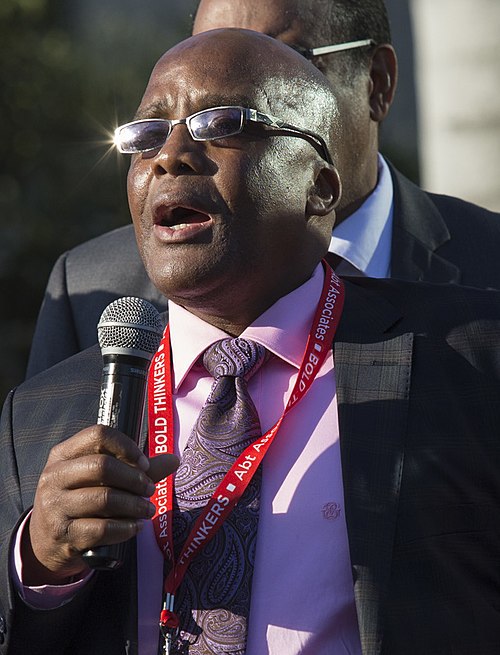
Aaron Motsoaledi
LP; Minister of Home Affairs
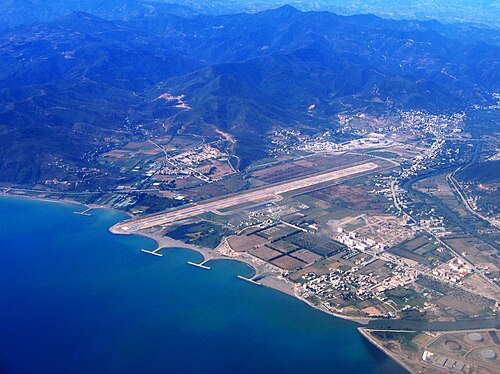
Abane Ramdane†
FLN Leader & Strategist
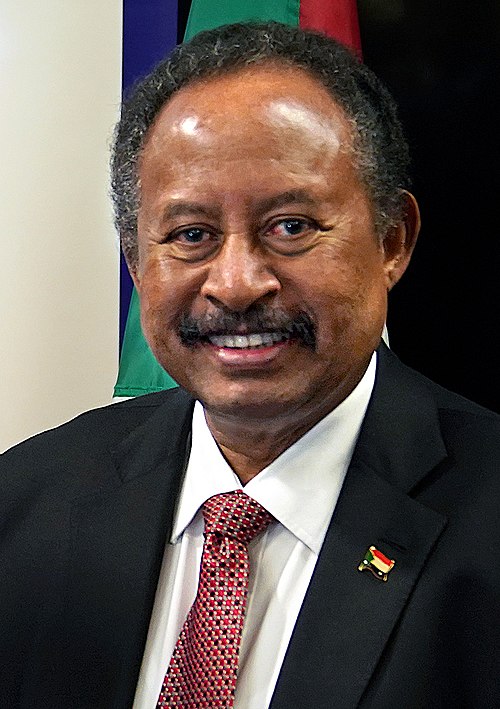
Abdalla Hamdok
Ex-Prime Minister
Abdallah Kigoda
Ex-Minister of Natural Resources