Financial Breakdown
Asset Distribution
Assets vs Liabilities
Assets
Liabilities
Disclaimer: These financial estimates are based on publicly available information and should be considered approximate. Last updated: 12/30/2025
Biography
Introduction: The Voice of a Nation
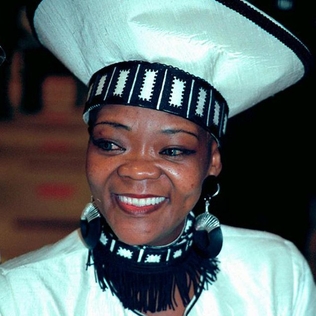
Brenda Fassie†, affectionately known as "MaBrrr" and the undisputed "Queen of African Pop", was a South African musical force whose voice defined an era. Born in the townships of Cape Town, her meteoric rise to fame in the 1980s and 1990s cemented her status as one of the continent's most influential and controversial entertainers. With a career spanning over two decades, Brenda Fassie† sold millions of records, won numerous awards, and used her platform to speak on social issues, becoming a symbol of both triumph and tragedy. Her signature song, "Vulindlela", remains a timeless anthem at weddings and celebrations across South Africa and beyond, a testament to her enduring impact on the fabric of African entertainment.
Early Life & Education: The Langa Prodigy
Brenda Nokuzola Fassie was born on November 3, 1964, in the township of Langa, Cape Town, South Africa. Named after the American country singer Brenda Lee, her musical talent was evident from an extraordinarily young age. Her father, a pianist, died when she was just two, but her mother, a domestic worker, recognized and nurtured her daughter's gift. By the age of four, Brenda Fassie† was singing for tourists and earning money to support her family. Her formal education was brief; her true classroom was the vibrant, harsh, and musically rich environment of the township.
A pivotal moment came in 1981, when talent scout Koloi Lebona discovered the teenage Fassie. Recognizing her raw, powerful voice and charismatic stage presence, he invited her to move to Johannesburg to pursue a professional career. This bold move marked the end of her conventional schooling and the beginning of her journey to stardom. In Johannesburg, she joined the group Joy, but her destiny was to shine as a solo artist. These formative years in the crucible of apartheid-era townships imbued her music with an authenticity and emotional depth that would resonate with millions.
Career & Major Achievements: Meteoric Rise and Cultural Icon
Brenda Fassie's† career exploded onto the scene in 1983 with the release of "Weekend Special," a bubblegum pop hit written by producer Koloi Lebona. The song became a massive success across Africa and even charted in Europe and the United States, selling over 200,000 copies. This established her as a fresh, dynamic voice in South African pop. Throughout the 1980s, she dominated the charts with hits like "Too Late for Mama" and "I'm Not a Bad Girl," crafting a public persona that was both rebellious and deeply relatable.
Conquering the Airwaves and Awards
The 1990s saw Brenda Fassie† reach the zenith of her fame. Her 1997 album, "Memeza" (Shout), was a record-breaking phenomenon, becoming the best-selling album in South Africa that year and earning her a South African Music Award (SAMA). The following year, she repeated this feat with the album "Nomakanjani?". It was during this period that she released "Vulindlela" (1997), a song that transcended generations and genres to become a cultural staple. Her trophy cabinet filled with over 15 South African Music Awards, FNB Awards, and Kora Awards, solidifying her as the Queen of African Pop.
Artistic Impact and Social Commentary
Beyond pop anthems, Brenda Fassie† was not afraid to engage with the political and social realities of her time. Her music often contained subtle and sometimes direct commentary on life under and after apartheid. Songs like "Black President," dedicated to Nelson Mandela, captured the nation's hope. Her fearless approach extended to her personal life and performances, challenging societal norms regarding gender, sexuality, and celebrity in South Africa. She was a pioneer for artistic freedom, influencing countless musicians across the continent with her unique blend of pop, mbaqanga, and gospel.
Personal Life, Struggles, & Legacy
The life of Brenda Fassie† was a dramatic arc of incredible highs and devastating lows, played out in the public eye. Her marriage to businessman Nhlanhla Mbambo in 1989 produced a son, Bongani, but ended in divorce. She struggled publicly with drug addiction, particularly to cocaine, which led to a near-fatal overdose in 1995 and numerous stints in rehabilitation. Her relationship with lesbian partner Poppy Sihlahla was widely reported, making her a complex and often controversial LGBTQ+ figure in a conservative climate.
Despite these struggles, her humanity and generosity were legendary. She was known for her impulsive kindness, giving money and support to friends, family, and even strangers in need. Brenda Fassie† passed away on May 9, 2004, at the age of 39, from cardiac arrest following an asthma attack, leaving a nation in mourning. Her legacy, however, is immortal. She paved the way for future female artists in Africa, demonstrated the global appeal of African pop, and left behind a catalog of music that continues to ignite joy and nostalgia. Her story is a cornerstone of modern South African cultural history.
Net Worth & Business Ventures
At the peak of her career in the late 1990s, Brenda Fassie† was one of the highest-earning musicians in Africa. While exact figures are difficult to verify due to the era and management issues, estimates from various entertainment reports at the time suggested her net worth was in the multi-million Rand range. Her income was generated primarily from:
- Record Sales: Millions of albums sold across Africa and internationally.
- Sold-Out Concerts: Commanding high fees for performances locally and abroad.
- Endorsements: Lucrative deals with major brands in South Africa.
However, her financial affairs were often as turbulent as her personal life. Reports indicated that mismanagement, her generosity, and the costs associated with her personal struggles significantly impacted her wealth. Unlike many modern artists, she did not leave behind a significant portfolio of formal business ventures; her primary and most enduring asset was her iconic music and the Brenda Fassie† brand, which remains powerful and commercially viable through ongoing royalties, compilation sales, and streaming.
Sources: South African History Online (sahistory.org.za), South African Music Awards archive, biographical accounts from reputable news publications including The Guardian and BBC News.
Frequently Asked Questions
What is Brenda Fassie†'s estimated net worth?
Net worth details for Brenda Fassie† are currently being updated.
What is Brenda Fassie†'s role and nationality?
Brenda Fassie† is a Queen of African Pop from South Africa.
How did Brenda Fassie† make their money?
Brenda Fassie† built their fortune primarily through Brenda Fassie passed away in 2004, and her estate's value is not publicly reported in the context of contemporary net worth lists..
How old is Brenda Fassie†?
Brenda Fassie† was born in 1964 (62 years old).
Which category is Brenda Fassie† listed under?
Brenda Fassie† is featured under the Entertainment category on NetWorth Africa.
How is Brenda Fassie†'s net worth calculated?
NetWorth Africa estimates financial valuations using publicly available stock equity holdings, company ownership records, real estate assets, and verified market data.
Net Worth Analysis
Brenda Fassie passed away in 2004, and her estate's value is not publicly reported in the context of contemporary net worth lists.
Quick Stats
Related People
2Baba (Innocent Idibia)
Veteran Artist & Activist • Nigeria
Aar Maanta
Singer & Composer • Somalia
Abdel Aziz al-Mubarak
Oud Master • Sudan
Abdel Halim Hafez†
Legend; “Nightingale”; “The Dark-Skinned Nightingale” • Egypt