Financial Breakdown
Asset Distribution
Assets vs Liabilities
Assets
Liabilities
Disclaimer: These financial estimates are based on publicly available information and should be considered approximate. Last updated: 12/31/2025
Biography
Introduction: The Divine Artisan of Benin
Cyprien Tokoudagba† (1939 – 2012) stands as a monumental figure in the Arts & Culture landscape of West Africa, revered as a Traditional Artist whose work transcended mere aesthetics to become a vital conduit for spiritual expression. Hailing from the historic city of Abomey, the heart of the former Dahomey Kingdom in Benin, Tokoudagba dedicated his life to the restoration and reimagining of Vodun (Voodoo) sacred art. His profound significance lies in his dual role as both a conservator of ancient Fon traditions and an innovative artist who brought these powerful visual narratives to the contemporary global stage. A key achievement was his pivotal contribution to the groundbreaking exhibition "Les Magiciens de la Terre" (The Magicians of the Earth) at the Centre Pompidou in Paris in 1989, which positioned him as a crucial voice in discussions on global contemporary art, challenging Western-centric narratives and showcasing the depth of Benin's artistic heritage.
Early Life & Education: Roots in the Royal City
Cyprien Tokoudagba was born in 1939 in Abomey, a city steeped in the history and symbolism of the Fon people. His formative years were immersed in the rich tapestry of Vodun rituals, royal ceremonies, and the physical remnants of the Dahomey Kingdom, including its famed bas-reliefs and temples. This environment served as his first and most important academy. Unlike artists who follow a formal Western academic track, Cyprien Tokoudagba†'s education was traditional and experiential. He learned through observation, apprenticeship to local craftsmen, and direct participation in community spiritual life.
His initial foray into art was practical and communal. Before gaining international recognition, he worked as a painter and decorator, often hired to restore the murals and sculptures on Vodun temples and royal palaces that had deteriorated over time. This restorative work was not just a job; it was an act of cultural preservation. It provided him with an intimate, hands-on understanding of the iconography, symbols, and sacred colors associated with deities like Gu (the god of iron and war), Heviosso (the god of thunder), and Dan (the serpent spirit). These formative experiences, rooted in the very soil and soul of Abomey, became the bedrock upon which he built his entire artistic career, blending the roles of artisan, priest, and historian.
Career & Major Achievements: From Local Temples to International Museums
The career of Cyprien Tokoudagba† is a testament to the power of local tradition achieving global resonance. His work primarily involved creating and restoring cult objects, temple murals, and bocio (empowerment figures) used in Vodun practices. His distinctive style—characterized by bold, graphic forms, a vibrant yet symbolic palette, and a powerful, direct expression—caught the attention of curators and scholars.
The 1989 Turning Point: "Les Magiciens de la Terre"
The defining moment in Tokoudagba's trajectory was his inclusion in the seminal 1989 exhibition "Les Magiciens de la Terre" in Paris. This exhibition was revolutionary for its time, presenting non-Western artists not as ethnographic subjects but as contemporary peers. Cyprien Tokoudagba† was featured prominently, installing a sacred hut and presenting his paintings and sculptures. This exposure catapulted him onto the international art scene, leading to numerous solo and group exhibitions across Europe, Africa, and the Americas throughout the 1990s and 2000s.
Signature Works and Themes
Tokoudagba's oeuvre is vast, but several key themes and accomplishments define it:
- Temple Restoration: He was the guardian of Abomey's sacred spaces, personally responsible for the maintenance of numerous Vodun temples, ensuring the continuity of their visual language.
- Canvas Paintings: He transposed temple mural motifs onto large-scale canvases, making the sacred narratives portable and accessible to a museum-going audience. His paintings often depicted divine pantheons, ritual scenes, and symbolic animals with a striking flatness and clarity.
- Sculpture: He created powerful wooden and mixed-media sculptures of deities and spirits, continuing the tradition of bocio while infusing them with his unique artistic signature.
- Public and Museum Collections: His works are held in prestigious institutions worldwide, including the Musée du quai Branly in Paris, the Iwalewa-Haus in Germany, and the Contemporary African Art Collection (CAAC) of Jean Pigozzi.
His impact was not only artistic but also cultural. At a time when Vodun was often misunderstood and misrepresented, Cyprien Tokoudagba† presented it with dignity, complexity, and profound artistic merit, fostering a greater appreciation for Benin's spiritual heritage.
Personal Life & Legacy: The Artist as Spiritual Custodian
Beyond his public persona, Cyprien Tokoudagba† was deeply embedded in the spiritual and social fabric of Abomey. He was not merely an artist depicting Vodun; he was an active practitioner and a respected elder within the community. His personal life was intertwined with his art, as his home and studio were centers of both creative and ritual activity. This authenticity was the source of the powerful energy perceived in his work.
His passing in 2012 left a significant void, but his legacy is multifaceted and enduring:
- Cultural Preservation: He played an irreplaceable role in safeguarding and transmitting the visual lexicon of the Fon people to future generations.
- Artistic Bridge: He successfully built a bridge between a deeply local, traditional art form and the global contemporary art market, paving the way for younger artists from Benin and the diaspora.
- Reclaimed Narrative: He contributed to a more nuanced and respectful international understanding of Vodun, moving it beyond stereotype into the realm of sophisticated theology and art.
Today, his influence can be seen in the work of a new generation of Beninese artists who explore traditional spirituality through contemporary mediums. His life's work ensures that the sacred arts of Dahomey remain a living, evolving force rather than a relic of the past.
Net Worth & Artistic Commerce
While specific figures regarding the net worth of Cyprien Tokoudagba† are not publicly documented, his financial and professional standing evolved significantly after 1989. Prior to his international breakthrough, his work was primarily supported through local, community-based patronage for temple restoration. His inclusion in major exhibitions and growing demand from international collectors and museums transformed his market position. His paintings and sculptures began to command substantial prices in the global market for contemporary African art.
His primary "business" was his artistic practice, centered from his base in Abomey. Rather than commercial ventures, his economic model was that of a renowned artist: generating income through the sale of works to galleries, museums, and private collectors worldwide, as well as through commissions and exhibition fees. This success allowed him to sustain his practice, support his community, and continue his vital restoration work. The true value of Cyprien Tokoudagba†, however, remains immeasurable in monetary terms, residing instead in the priceless cultural and spiritual heritage he preserved and propagated for Benin and the world.
Frequently Asked Questions
What is Cyprien Tokoudagba†'s estimated net worth?
Cyprien Tokoudagba† has an estimated net worth of $500,000.
What is Cyprien Tokoudagba†'s role and nationality?
Cyprien Tokoudagba† is a Traditional Artist from Benin.
How did Cyprien Tokoudagba† make their money?
Cyprien Tokoudagba† built their fortune primarily through Cyprien Tokoudagba was a renowned but traditional artist from Benin, not a business figure; his wealth was derived from his art and cultural work, not corporate holdings..
How old is Cyprien Tokoudagba†?
Cyprien Tokoudagba† was born in 1939 (87 years old).
Which category is Cyprien Tokoudagba† listed under?
Cyprien Tokoudagba† is featured under the Arts & Culture category on NetWorth Africa.
How is Cyprien Tokoudagba†'s net worth calculated?
NetWorth Africa estimates financial valuations using publicly available stock equity holdings, company ownership records, real estate assets, and verified market data.
Net Worth Analysis
Cyprien Tokoudagba was a renowned but traditional artist from Benin, not a business figure; his wealth was derived from his art and cultural work, not corporate holdings.
Quick Stats
Related People
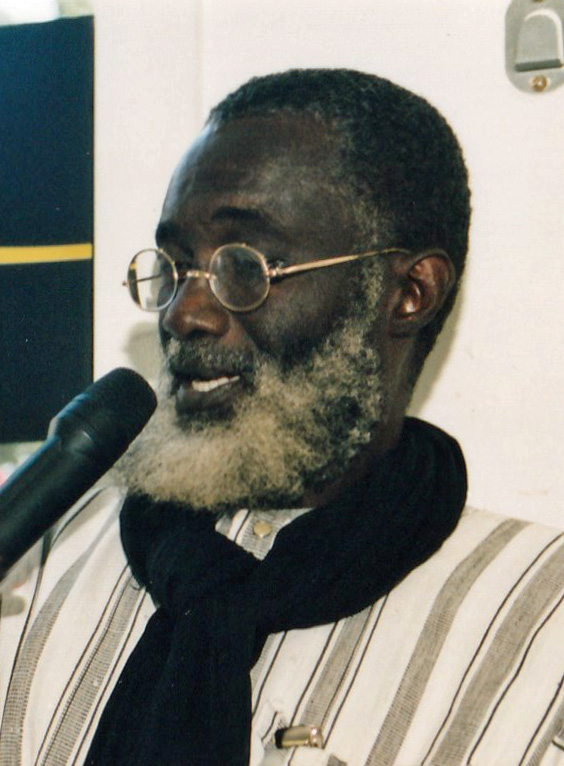
Abasse Ndione
Novelist & Playwright • Senegal
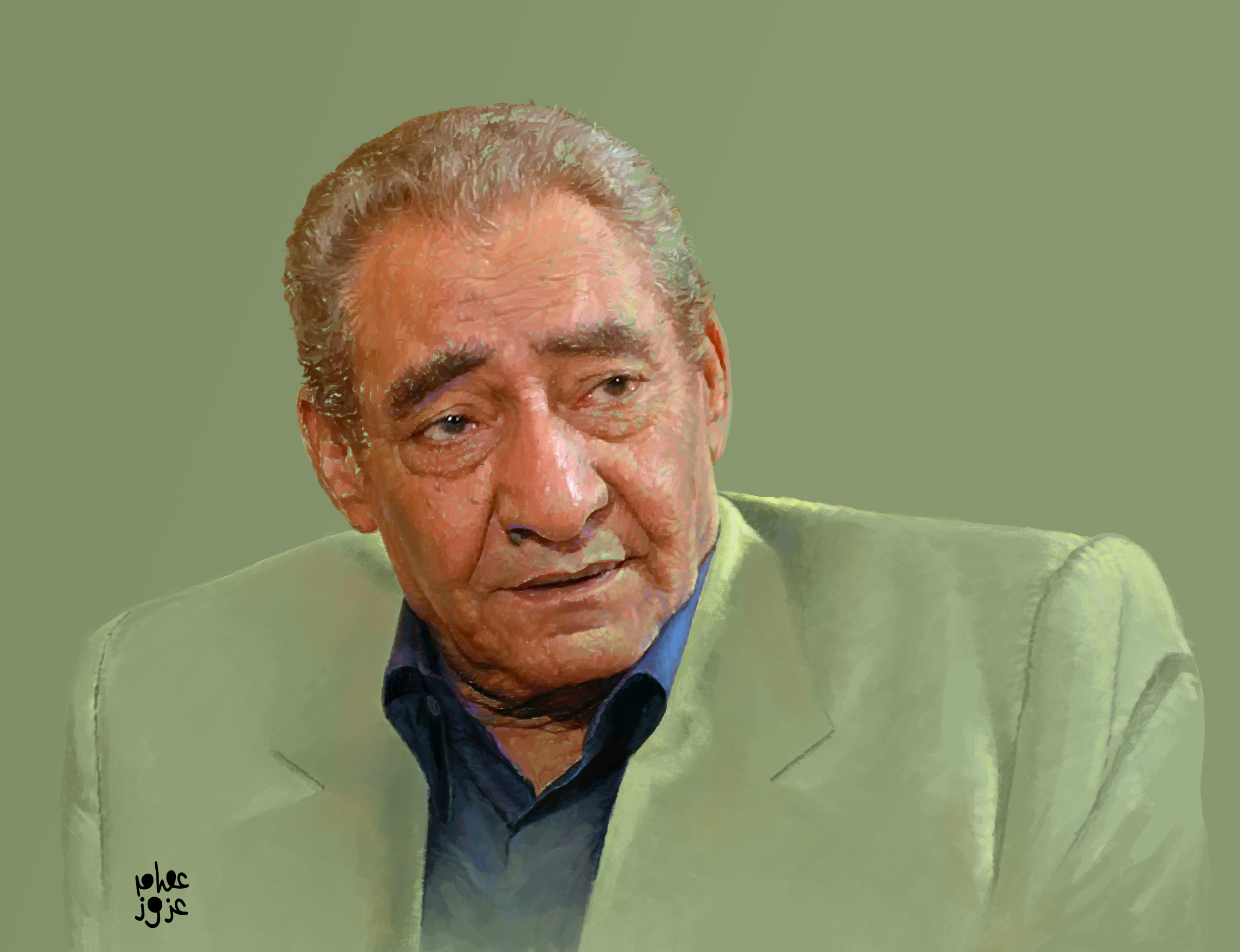
Abdel Rahman al-Abnudi†
Poet (Egypt-Sudan) • Sudan
Abdelkrim Ghallab†
Novelist & Journalist • Morocco
Abdellah Taïa
Novelist & Filmmaker • Morocco