Biography
Introduction: A Literary Comet
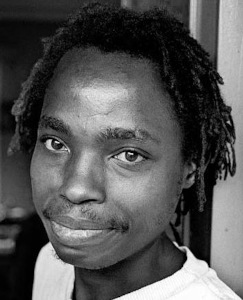
Dambudzo Marechera† (1952-1987) remains one of the most electrifying, controversial, and influential figures in African literature. A Zimbabwean novelist, short story writer, and poet, Marechera burst onto the international literary scene with a ferocious intensity that was as brilliant as it was brief. His notable status is cemented by his groundbreaking debut, The House of Hunger (1978), a searing collection of linked stories that won the prestigious Guardian Fiction Prize in 1979. This made him the first, and to date only, African writer to receive this award. Marechera's work, characterized by its fragmented, modernist style and unflinching examination of violence, alienation, and post-colonial disillusionment, defied the expectations often placed on African writers of his time. He carved a unique niche in the Arts & Culture landscape, not as a chronicler of nationalist triumph, but as a visceral explorer of the psychological scars left by colonialism and the complexities of newfound independence.
Early Life & Education: Forged in the Township
Dambudzo Marechera was born on June 4, 1952, in the impoverished township of Vengere, Rusape, in then-Southern Rhodesia. His early life was marked by profound hardship and tragedy, formative experiences that would fuel his writing. His father, a mortuary attendant, died in a hit-and-run accident when Marechera was young, plunging the family into deeper poverty. His mother was forced into domestic work to support the family. Despite this, Marechera exhibited exceptional academic talent. He attended St. Augustine’s Mission School in Penhalonga, where his intellectual prowess earned him a scholarship to study at the prestigious University of Rhodesia (now University of Zimbabwe) in 1972.
His university years were a crucible of political and personal rebellion. He immersed himself in radical politics and literature, reading widely from European modernists like Beckett and Dostoevsky. This period was cut short in 1973 when he was expelled for participating in student protests against the racist white-minority government. Nevertheless, his academic record secured him a scholarship to study English Literature at New College, Oxford. His time at Oxford (1974-1976) was equally turbulent; he clashed with the institution, felt acutely alienated, and was eventually sent down for refusing to attend tutorials and for his disruptive behavior. This experience of exile and marginalization, both from his homeland and his place of refuge, became central themes in his oeuvre.
Career & Major Achievements: The Explosive Debut and Lasting Impact
Dambudzo Marechera's literary career was meteoric. After leaving Oxford, he lived a destitute, peripatetic life in London and Wales. It was during this period of homelessness and despair that he wrote the bulk of The House of Hunger. Published by Heinemann in their influential African Writers Series in 1978, the book was a literary sensation. Its visceral, stream-of-consciousness prose depicted the physical and psychological "hunger" of life under a racist regime and in the bleak township. The Guardian Fiction Prize win in 1979 brought him immediate acclaim and notoriety, establishing Dambudzo Marechera† as a formidable new voice.
Major Published Works
His subsequent works continued to push boundaries:
- Black Sunlight (1980): A challenging, experimental novel exploring anarchism and violence, which faced censorship in Zimbabwe for its perceived obscenity.
- Mindblast (1984): A unique collage of plays, poems, and prose written upon his return to independent Zimbabwe, critiquing the disillusionment and new forms of oppression in the post-colonial state.
- The Black Insider (posthumously, 1990): A novel written during his Oxford years, further showcasing his philosophical depth and modernist style.
Return to Zimbabwe and Iconoclastic Stance
Marechera returned to the newly independent Zimbabwe in 1982. He became a notorious and iconic figure in Harare, often seen writing in bars and living in hotel rooms or on the streets. He was fiercely critical of the new political elite, believing that the mental "house of hunger" had not been dismantled. His refusal to be categorized as a "African writer" with a prescribed duty to nation-building set him apart. He famously stated, "If you are a writer for a specific nation or a specific race, then f*** you." This unwavering commitment to artistic and intellectual freedom, while alienating to some, cemented his reputation as a truly radical and independent thinker in world literature.
Personal Life, Legacy, and Lasting Impact
Dambudzo Marechera's personal life was inextricably linked to his art—a life of extreme poverty, alcoholism, and brilliant, uncompromising creativity. He had no traditional family life or philanthropic ventures; his legacy is purely literary and intellectual. He died tragically young on August 18, 1987, from an AIDS-related pulmonary illness. In his short 35 years, he produced a body of work that continues to resonate powerfully.
His legacy is multifaceted. He is celebrated as a pioneer of African modernism, bringing a fragmented, psychological intensity to the continent's literary expression. For many in Zimbabwe and beyond, he is a cultural icon of rebellion and non-conformity. Scholars continue to analyze his complex engagement with colonialism, identity, and madness. The annual Dambudzo Marechera Memorial Lecture and the Dambudzo Marechera Writers Workshop in Zimbabwe testify to his enduring influence on new generations of writers. He proved that literature from Africa could be simultaneously local in its concerns and radically universal in its form and philosophical inquiry, securing his permanent place in the global Arts & Culture canon.
Literary Estate and Posthumous Recognition
While discussions of net worth are incongruous with Dambudzo Marechera's life of deliberate poverty, the management and value of his literary estate are significant. He died with little material wealth. However, the copyrights to his published works and his extensive archives (including manuscripts, letters, and journals) hold considerable cultural and academic value. These are managed by his literary executor and family. The continued republication of his works by major presses like Penguin Modern Classics and academic interest worldwide ensure his writings remain in circulation, generating royalties that support his estate. His "business" was his radical thought, and its "value" is measured in its unceasing power to challenge, disturb, and inspire readers and writers across the globe. The true worth of Dambudzo Marechera† lies not in financial metrics but in the indelible mark he left on the landscape of modern literature.
Further Reading & Sources: For those seeking to learn more about this seminal figure, credible resources include the Encyclopaedia Britannica entry, academic publications from the JSTOR database, and the biography Dambudzo Marechera: A Source Book on His Life and Work (1992). His works remain widely available from major publishers.
Frequently Asked Questions
What is Dambudzo Marechera†'s estimated net worth?
Net worth details for Dambudzo Marechera† are currently being updated.
What is Dambudzo Marechera†'s role and nationality?
Dambudzo Marechera† is a Novelist & Guardian Fiction Prize Winner from Zimbabwe.
How did Dambudzo Marechera† make their money?
Dambudzo Marechera† built their fortune primarily through Dambudzo Marechera was a celebrated but famously impoverished writer who died in 1987, leaving no estate of significant monetary value..
How old is Dambudzo Marechera†?
Dambudzo Marechera† was born in 1952 (74 years old).
Which category is Dambudzo Marechera† listed under?
Dambudzo Marechera† is featured under the Arts & Culture category on NetWorth Africa.
How is Dambudzo Marechera†'s net worth calculated?
NetWorth Africa estimates financial valuations using publicly available stock equity holdings, company ownership records, real estate assets, and verified market data.
Net Worth Analysis
Dambudzo Marechera was a celebrated but famously impoverished writer who died in 1987, leaving no estate of significant monetary value.
Quick Stats

Related People
Abasse Ndione
Novelist & Playwright • Senegal
Abdel Rahman al-Abnudi†
Poet (Egypt-Sudan) • Sudan
Abdelkrim Ghallab†
Novelist & Journalist • Morocco
Abdellah Taïa
Novelist & Filmmaker • Morocco