Financial Breakdown
Asset Distribution
Assets vs Liabilities
Assets
Liabilities
Disclaimer: These financial estimates are based on publicly available information and should be considered approximate. Last updated: 12/31/2025
Biography
Introduction: A Bridge Between Worlds
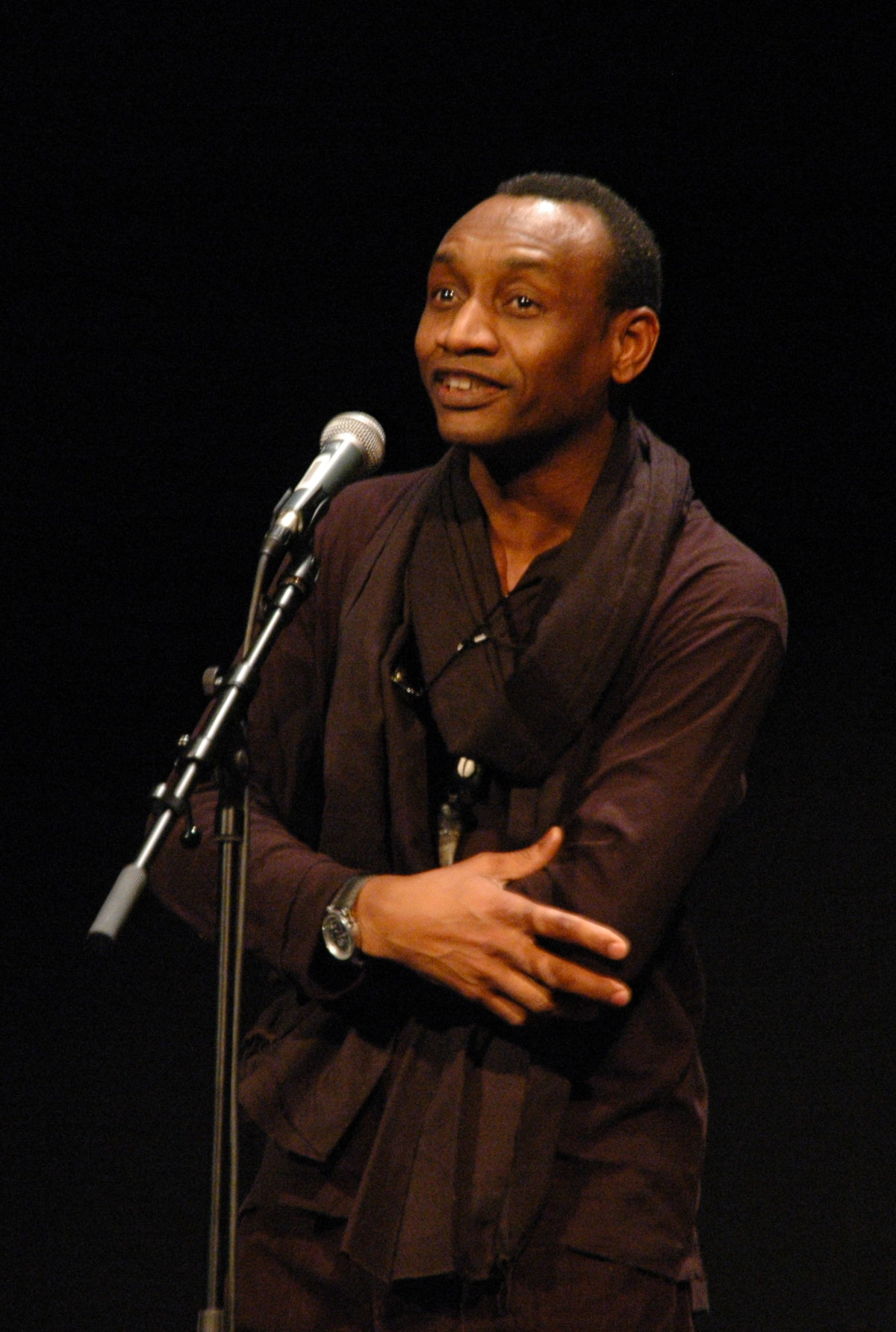
In the rich tapestry of African cinema, few figures embody the fusion of ancient tradition and modern storytelling as profoundly as Dani Kouyaté. Born in 1961 in Burkina Faso to a Malian griot family, Kouyaté has carved a unique niche as a Director & Griot, using the cinematic lens to fulfill a centuries-old mandate. A griot, or jeli, is a West African historian, storyteller, praise singer, and keeper of oral tradition. Dani Kouyaté translates this vital cultural role into the language of film, making him a pivotal figure in Arts & Culture on the global stage. His international breakthrough came with his debut feature, "Keïta! L'Héritage du griot" (1995), a film that elegantly poses the essential question of identity and the enduring power of myth. Through his work, Kouyaté not only directs actors but also directs cultural memory, ensuring the stories of the Mali Empire and the Mande people resonate with new generations.
Early Life & Education: The Seed of Storytelling
The destiny of Dani Kouyaté was, in many ways, written in his lineage. Hailing from a prestigious family of griots from Mali, he is the son of the renowned actor and griot Sotigui Kouyaté, a towering presence who would later star in many of his son's films. This heritage immersed young Dani in a world where history was not read but performed, where music, proverbs, and epic narratives like the Sundiata epic were the fabric of daily life. This foundational exposure to oral performance became the bedrock of his artistic sensibility.
Seeking to formalize his craft, Kouyaté pursued higher education in cinema. He attended the Institut Africain d'Éducation Cinématographique (INAFEC) in Ouagadougou, Burkina Faso, a crucial incubator for African cinematic talent. His training continued in France, where he studied at the Université de Paris VIII and the Sorbonne Nouvelle, earning a doctorate in cinema and television. This dual education—rooted in the oral courtyards of West Africa and the theoretical classrooms of Europe—equipped Dani Kouyaté with a unique toolkit. It allowed him to analyze and deconstruct the very traditions he was born into, preparing him to reinterpret them for a contemporary, global audience without losing their essential soul.
Career & Major Achievements: Weaving Epic into Film
The career of Dani Kouyaté is a testament to his mission of cultural translation. His filmography, though selective, is deeply impactful, each project a carefully crafted piece of a larger narrative about memory and identity.
Debut Masterpiece: "Keïta! L'Héritage du griot"
His first feature film, "Keïta! L'Héritage du griot" (1995), announced his vision to the world. The film features a griot, played by his father Sotigui, arriving in a modern Burkinabé city to recount the epic of Sundiata Keïta, founder of the Mali Empire, to a young boy named Mabo. The film brilliantly intercuts the legendary tale with Mabo's contemporary life, highlighting the clash and eventual harmony between traditional education and Western schooling. It won the UNESCO Prize at FESPACO (the Panafrican Film and Television Festival of Ouagadougou) in 1995, establishing Kouyaté as a leading voice of his generation.
Expanding the Canvas
Kouyaté continued to explore history and ethics with "Sia, le rêve du python" (2001), a adaptation of the play "La légende du Wagadu vue par Sia Yatabéré" by Mauritanian writer Moussa Diagana. This political fable, set in a mythical kingdom, critiques tyranny and blind obedience, showcasing his ability to use allegory for social commentary. In 2009, he directed "Souvenirs encombrants d'une femme de ménage," a comedy that demonstrated his range beyond historical epic.
His work extends beyond feature films. He has directed documentaries and television series, contributing to the broader media landscape in West Africa. A significant later work is "Joseph Ki-Zerbo: Identités / Identité pour l'Afrique" (2016), a documentary portrait of the famed Burkinabé historian and politician, further cementing Kouyaté's role as a chronicler of African intellectual heritage.
Impact and Recognition
The impact of Dani Kouyaté lies in his successful paradigm shift. He proves that the griot's function is not obsolete but adaptable. His achievements include:
- Winning major prizes at FESPACO, Africa's most prestigious film festival.
- Serving on international film juries and mentoring emerging filmmakers.
- Preserving and popularizing the Sundiata epic for a worldwide audience.
- Creating a cinematic style that is philosophical, accessible, and visually poetic, influencing a wave of storytellers concerned with cultural roots.
Personal Life & Legacy: The Griot's Continuum
While Dani Kouyaté maintains a relatively private personal life, his public persona is inextricably linked to his family and cultural role. His profound collaboration with his father, Sotigui Kouyaté, until the latter's passing in 2010, stands as a beautiful metaphor for the passing of the griot's torch through generations. This relationship was the heart of his early films and remains central to his artistic identity. Based in Burkina Faso, he is actively involved in the cultural communities of both Burkina and Mali.
The legacy of Dani Kouyaté is multifaceted. He is a modern Director & Griot who has digitized the oral archive, ensuring its survival and relevance. He has expanded the very definition of what a griot can be in the 21st century—from a village storyteller to a filmmaker whose stories reach international film festivals and classrooms alike. His work encourages a dialogue between Africa's past and its present, asking vital questions about the erosion of tradition in a globalized world. For future filmmakers in Mali and across the continent, he exemplifies how to draw from a deep cultural well to create art that is both locally authentic and universally compelling. He ensures that the voice of the griot is not an echo of the past, but a living, evolving narrative for the future.
Net Worth & Business Ventures
As with many revered figures in independent and African cinema, the financial net worth of Dani Kouyaté is not publicly disclosed and is not the primary measure of his success. His career is built within the context of artisanal and often publicly funded African filmmaking, where budgets are modest and commercial returns are secondary to cultural and artistic impact. His "business" is that of cultural production and preservation. Income streams likely derive from a combination of:
- Film production grants from European and African cultural institutes (e.g., French CNC, Fonds Image de la Francophonie).
- University lectures, masterclasses, and speaking engagements at cultural forums.
- Distribution rights for his films in educational and home video markets.
- Commissioned work for television and documentary channels.
His most valuable venture is arguably his production company, which serves as the vehicle for his cinematic projects. The true wealth of Dani Kouyaté lies in his immense cultural capital—his standing as a respected intellectual, a guardian of Mande history, and an inspirational figure in world cinema. His work enriches the global Arts & Culture landscape, an investment whose returns are measured in understanding and preserved heritage.
Sources & Further Reading: Information sourced from FESPACO archives, academic analyses of African cinema, and interviews with Dani Kouyaté featured in cultural publications. Key references include the African Film Database and studies on the griot tradition in modern media.
Frequently Asked Questions
What is Dani Kouyaté's estimated net worth?
Dani Kouyaté has an estimated net worth of $1.0 Million.
What is Dani Kouyaté's role and nationality?
Dani Kouyaté is a Director & Griot from Mali.
How did Dani Kouyaté make their money?
Dani Kouyaté built their fortune primarily through Dani Kouyaté is a respected film director and griot from Mali, not a business magnate; his wealth is derived from his artistic career and cultural work, not corporate holdings..
How old is Dani Kouyaté?
Dani Kouyaté was born in 1961 (65 years old).
Which category is Dani Kouyaté listed under?
Dani Kouyaté is featured under the Arts & Culture category on NetWorth Africa.
How is Dani Kouyaté's net worth calculated?
NetWorth Africa estimates financial valuations using publicly available stock equity holdings, company ownership records, real estate assets, and verified market data.
Net Worth Analysis
Dani Kouyaté is a respected film director and griot from Mali, not a business magnate; his wealth is derived from his artistic career and cultural work, not corporate holdings.
Quick Stats

Related People
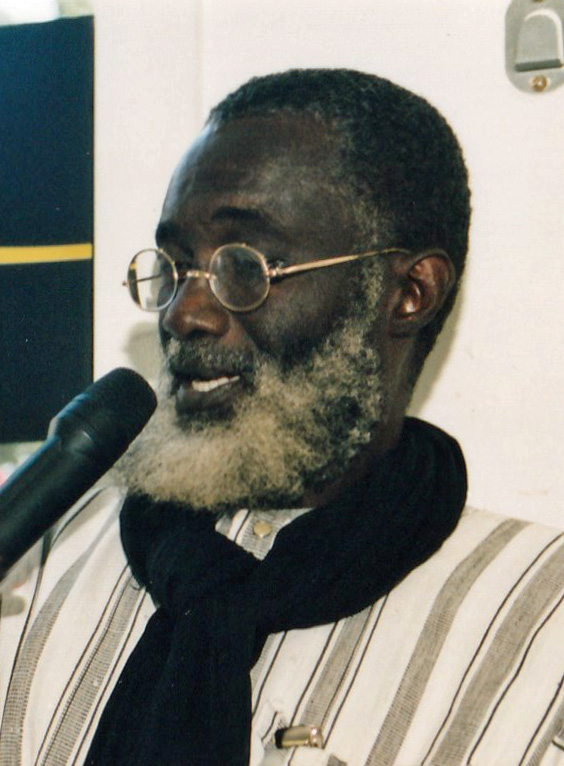
Abasse Ndione
Novelist & Playwright • Senegal
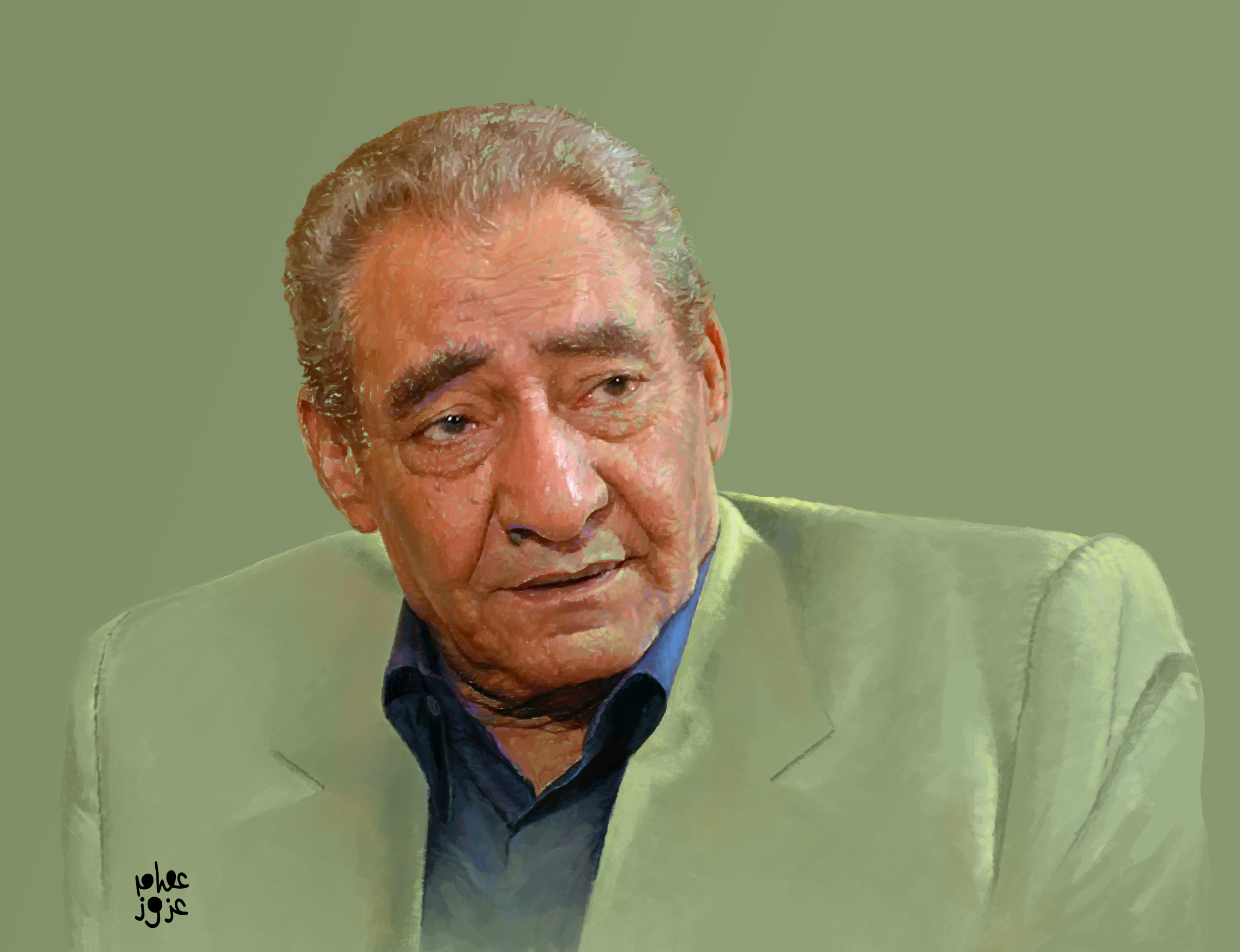
Abdel Rahman al-Abnudi†
Poet (Egypt-Sudan) • Sudan
Abdelkrim Ghallab†
Novelist & Journalist • Morocco
Abdellah Taïa
Novelist & Filmmaker • Morocco