Biography
Introduction: The Unyielding Voice for Sovereignty
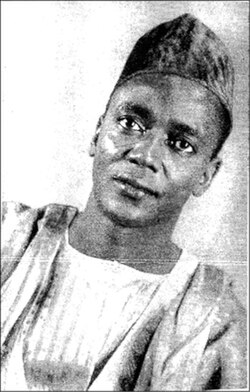
In the annals of West African history, the name Djibo Bakary† stands as a symbol of resolute anti-colonial struggle and political courage. Born in 1922, Bakary emerged as the foremost Independence Leader in Niger, navigating the complex and often treacherous path toward self-rule under French colonial administration. His most notable achievement was becoming the first Prime Minister of the Republic of Niger in 1957, a pivotal moment that set the stage for full sovereignty. A charismatic trade unionist and founder of the radical Sawaba party, Djibo Bakary† championed a vision of complete and immediate independence, placing him in direct opposition to both the colonial authorities and more moderate African politicians. His story is not just one of political office, but of ideological conviction, fierce electoral battles, and a legacy that continues to shape the political consciousness of Niger.
Early Life & Education: Forging a Political Consciousness
Djibo Bakary† was born in 1922 in the town of Soudouré, near the capital city of Niamey, in what was then the French colony of Niger. Unlike many early African elites who hailed from chiefly or aristocratic families, Bakary's background was more modest, which later influenced his populist and socialist political leanings. His formal education began at the prestigious École William Ponty in Senegal, a breeding ground for many future African leaders and intellectuals. This institution provided him with a French education but also exposed him to pan-African ideas and the burgeoning discourse on rights and self-determination.
His formative experiences were profoundly shaped by his early career as a civil servant and, crucially, as a trade union organizer. Working for the colonial administration's postal service, Djibo Bakary† directly witnessed the inequalities of the colonial system. He quickly rose through the ranks of the trade union movement, becoming a leading figure in the Confédération Générale du Travail (CGT), a French union with communist affiliations. This experience was his real political education; it honed his skills in mobilization, rhetoric, and understanding the power of organized labor as a tool for political change. By the late 1940s, he had transitioned from advocating for workers' rights to championing the broader cause of national liberation, understanding that economic and political freedom were inextricably linked.
Career & Major Achievements: The Road to Independence and Beyond
The political career of Djibo Bakary† is a dramatic narrative of rise, triumph, and contentious struggle. His entry into electoral Politics & Government began in 1946 when he was elected to the French National Assembly as a representative of Niger. However, his radical stance soon led him to found his own political vehicle. In 1951, he established the Union Démocratique Nigérienne (UDN), which would later merge into the Union Démocratique des Populations Nigériennes (UDPN) and ultimately become known as the Sawaba (meaning "freedom" or "relief" in Hausa) party in 1958.
The Electoral Triumph of 1957
Bakary's defining political victory came in the territorial elections of March 31, 1957. Against the odds and the preferred candidates of the French administration, his party, in alliance with other groups, won a significant majority. This electoral shock led to his appointment as Vice-President of the Government Council—effectively the first Prime Minister of Niger—on May 18, 1957. For a year, Djibo Bakary† led Niger's first autonomous government, implementing policies aimed at social reform and preparing the territory for greater self-rule.
The Fateful Referendum of 1958
The climax of his career, and the event that would redefine it, was the constitutional referendum called by French President Charles de Gaulle in September 1958. The vote presented a choice: immediate independence with a severing of all ties to France, or autonomy within a new French Community. Djibo Bakary†, true to his principles, campaigned vigorously for a "No" vote, advocating for full and immediate independence. His opponents, led by Hamani Diori of the Parti Progressiste Nigérien (PPN-RDA), campaigned for a "Yes." In a bitterly contested process, the "Yes" vote won overwhelmingly. Bakary's defeat was decisive, and he was forced to resign on December 14, 1958. Hamani Diori replaced him and would later become Niger's first President at independence in 1960.
Exile, Opposition, and Imprisonment
Following the referendum, Djibo Bakary† and his Sawaba party were politically marginalized and then banned. He was forced into exile for nearly a decade, during which he continued to oppose the Diori regime. Sawaba militants attempted several failed insurrections in the early 1960s. After the 1974 military coup that overthrew Diori, Bakary returned to Niger but was almost immediately arrested by the new military ruler, Seyni Kountché. He spent much of the period from 1974 to 1980 under house arrest or in detention, a testament to his enduring status as a potent political symbol. He was finally released and partially rehabilitated in the 1980s but never regained his former political prominence.
Personal Life & Legacy: The Enduring Symbol
Outside of the political arena, Djibo Bakary† was known as an intellectual, a prolific writer, and a man of deep conviction. His personal life was intertwined with his political struggles; his periods of exile and imprisonment placed immense strain on his family. Despite the hardships, he remained a figure of immense respect among many Nigeriens, particularly those who shared his vision of a more radical break from colonialism and his advocacy for the common people.
The legacy of Djibo Bakary† is complex and multifaceted. For decades, official history in Niger, shaped by his victorious rivals, downplayed his role. However, historical reassessment has solidified his position as a foundational figure in the nation's journey to statehood. He is remembered as:
- The First Prime Minister: The leader of Niger's first autonomous government.
- The Champion of Immediate Independence: The only major leader to campaign for a complete "No" to continued French ties in 1958.
- A Symbol of Political Resistance: His life embodies the struggles of dissent and opposition in post-colonial Africa.
- The Founder of Sawaba: A political tradition that has experienced a revival in modern Nigerien politics, with several parties claiming its ideological lineage.
Djibo Bakary† passed away in 1998, but his story remains essential for understanding the contested and diverse paths to independence in Niger and across Francophone Africa. He represents the road not taken, a figure whose ideals of uncompromising sovereignty and social justice continue to resonate.
Historical Significance & Posthumous Recognition
While the concept of "net worth" is largely inapplicable to a leader whose life was marked by political struggle, exile, and imprisonment rather than financial accumulation, the value of Djibo Bakary†'s contribution is measured in political capital and historical significance. He did not engage in business ventures; his life's work was the "business" of national liberation. His resources were ideological, rooted in trade union mobilization and party organization. In contemporary Niger, his legacy is his most valuable asset. Streets, schools, and public buildings have been named in his honor, especially following the democratic opening of the 1990s. Political groups, particularly those with socialist or nationalist leanings, frequently invoke his name and the Sawaba tradition to legitimize their platforms. The story of Djibo Bakary† is now firmly integrated into the national narrative, taught in schools as a key architect of the nation's independence, ensuring that his vision and sacrifices are remembered by future generations.
Sources: Historical accounts of Djibo Bakary† are drawn from academic works on Nigerien history, including "The Politics of Independence in Niger" by Klaas van Walraven, and archival resources from the French National Archives and the Nigerien National Archives. His role is also documented in broader histories of African decolonization.
Frequently Asked Questions
What is Djibo Bakary†'s estimated net worth?
Net worth details for Djibo Bakary† are currently being updated.
What is Djibo Bakary†'s role and nationality?
Djibo Bakary† is a Independence Leader from Niger.
How did Djibo Bakary† make their money?
Djibo Bakary† built their fortune primarily through Djibo Bakary was a political leader, not a business figure, and there are no credible public reports of significant personal wealth. He died in 1998..
How old is Djibo Bakary†?
Djibo Bakary† was born in 1922 (104 years old).
Which category is Djibo Bakary† listed under?
Djibo Bakary† is featured under the Politics & Government category on NetWorth Africa.
How is Djibo Bakary†'s net worth calculated?
NetWorth Africa estimates financial valuations using publicly available stock equity holdings, company ownership records, real estate assets, and verified market data.
Net Worth Analysis
Djibo Bakary was a political leader, not a business figure, and there are no credible public reports of significant personal wealth. He died in 1998.
Quick Stats
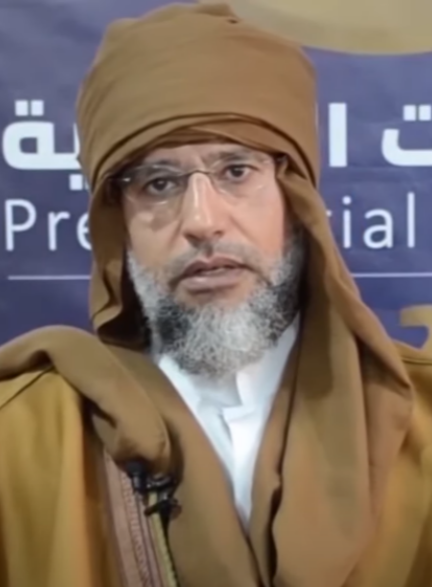
Related People
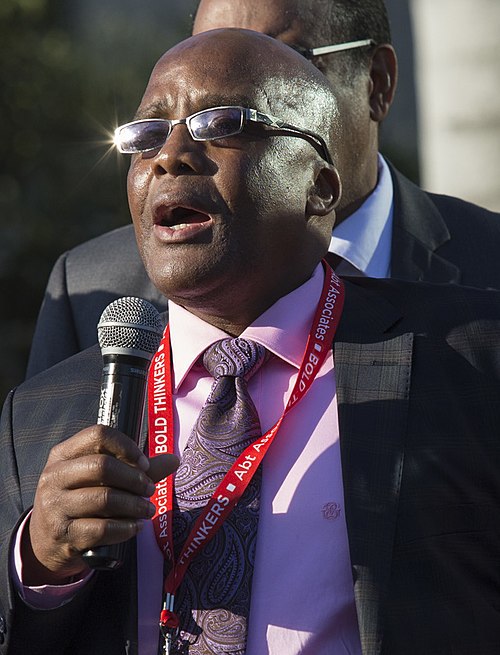
Aaron Motsoaledi
LP; Minister of Home Affairs • South Africa
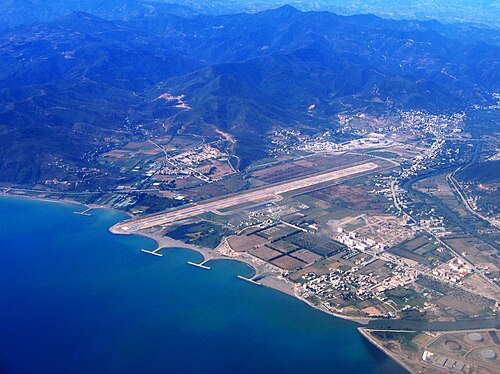
Abane Ramdane†
FLN Leader & Strategist • Algeria
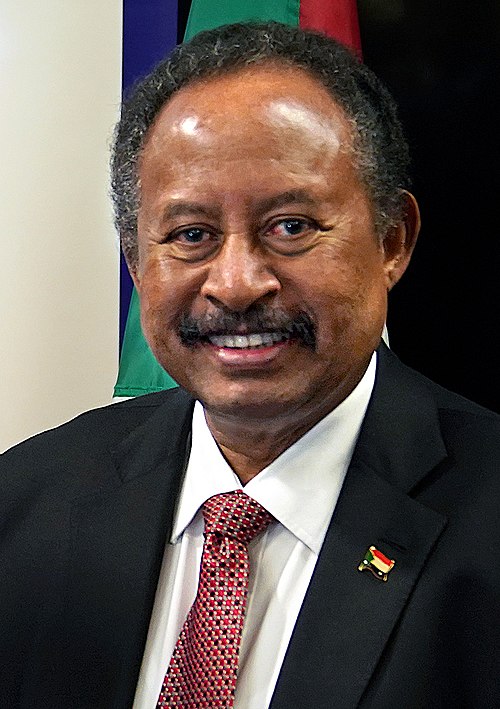
Abdalla Hamdok
Ex-Prime Minister • Sudan
Abdallah Kigoda
Ex-Minister of Natural Resources • Tanzania