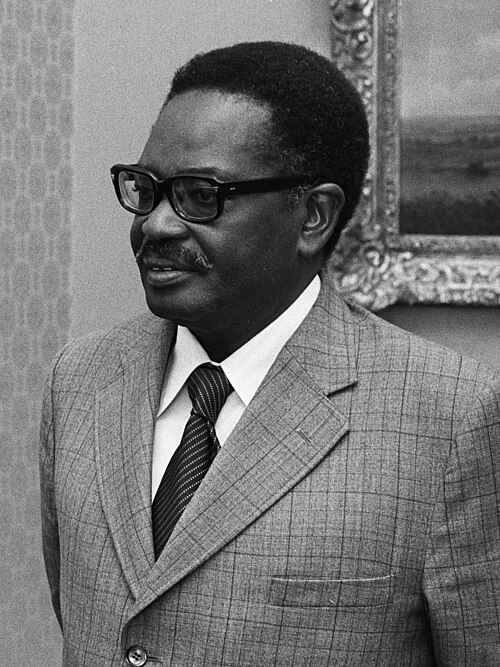
Biography
Introduction: The Architect of a Nation
Dr. Agostinho Neto† stands as a monumental figure in the history of Africa, uniquely embodying the dual legacy of a revolutionary statesman and a profound literary voice. He is celebrated as the first President of the Republic of Angola, leading the nation to independence from Portuguese colonial rule in 1975. Simultaneously, his powerful and evocative poetry established him as one of the continent's most significant literary figures of the 20th century. His life's work represents a seamless fusion of Arts & Culture with political liberation, using the pen as a weapon for resistance and the presidency as a platform for nation-building. The story of Dr. Agostinho Neto† is the story of modern Angola itself—a narrative of struggle, resilience, and the enduring power of cultural identity.
Early Life & Education: Forging a Consciousness
António Agostinho Neto was born on September 17, 1922, in the village of Kaxicane, in the Bengo province near Luanda. His father was a Methodist pastor, and his mother was a teacher, providing an early environment that valued both faith and education. He completed his secondary education in Luanda, where his intellectual curiosity and sense of social justice began to take shape amidst the stark realities of colonial oppression.
Demonstrating exceptional academic promise, Neto initially worked in the colonial health services before earning a scholarship to study medicine abroad. In 1947, he left for Portugal, enrolling at the Universities of Coimbra and later Lisbon. It was in the metropole that his political and artistic identities crystallized. He became a central figure in anti-colonial circles, engaging with fellow African intellectuals and Marxist thinkers. His activism led to multiple arrests by the Portuguese secret police (PIDE), with his first imprisonment occurring in 1951 for his involvement in pro-democracy movements. Despite these interruptions, he qualified as a physician in 1958. These formative years—marked by academic pursuit, political awakening, and personal repression—fueled the fiery verse of his early poetry and hardened his resolve to fight for Angola's freedom.
Career & Major Achievements: From Prison to Presidency
The career of Dr. Agostinho Neto† is a testament to unwavering dedication to a single, monumental cause: Angolan independence. His journey can be traced through three interconnected paths: political leadership, poetic expression, and statesmanship.
Political Leadership and the Liberation Struggle
Upon returning to Angola in 1959, Neto's medical practice quickly became a cover for political mobilization. He was arrested again in 1960 and exiled to Cape Verde, then imprisoned in Lisbon. His arrest sparked protests in his home village of Moxico, which were violently suppressed. International pressure, notably from Amnesty International which designated him a "Prisoner of Conscience," helped secure his release in 1962. He immediately fled to Morocco and then to Léopoldville (now Kinshasa), where he was elected President of the Movimento Popular de Libertação de Angola (MPLA). For the next thirteen years, he led the MPLA's political and military struggle against Portuguese rule, navigating complex internal and external pressures during the Angolan War of Independence (1961-1974).
Literary Achievements: The Voice of Resistance
Parallel to his political work, Neto's poetry served as the soul of the revolution. His collections, including "Sagrada Esperança" (Sacred Hope) and "Renúncia Impossível" (Impossible Renunciation), are foundational texts in Angolan and Lusophone African literature. His verses masterfully wove themes of:
- Cultural Heritage: Reclaiming African identity and history.
- Collective Suffering: Documenting the pain and resilience of his people under colonialism.
- Revolutionary Hope: Articulating a vision for a just and independent future.
Poems like "Havemos de Voltar" ("We Shall Return") became anthems of the independence movement. His work earned him the Lotus Prize from the Afro-Asian Writers' Association in 1970, solidifying his international literary stature.
The Presidency and Nation-Building
Following the Carnation Revolution in Portugal in 1974 and the subsequent Alvor Agreement, Angola achieved independence on November 11, 1975. Dr. Agostinho Neto† was inaugurated as the first President of the People's Republic of Angola. His tenure (1975-1979) was immediately dominated by the devastating Angolan Civil War, which erupted as the MPLA, UNITA, and FNLA vied for control. Despite this, his government focused on establishing state institutions, promoting education, and pursuing a socialist-oriented development path. He championed Pan-Africanism and non-alignment, becoming a respected voice on the continent. His presidency, though cut short, set the foundational direction for the Angolan state.
Personal Life & Legacy: The Enduring Symbol
Dr. Agostinho Neto was married to Maria Eugénia da Silva, and the couple had several children. Known for his quiet intensity, intellectual depth, and personal integrity, he was deeply respected by his comrades. His life was one of immense personal sacrifice, spent largely in exile, prison, or the bush during the armed struggle.
Dr. Agostinho Neto† died on September 10, 1979, in Moscow, while undergoing medical treatment. His legacy is omnipresent in Angola. The country's national holiday, November 11, is a testament to his political achievement. His poetry remains a compulsory part of the Angolan educational curriculum, ensuring new generations connect with the cultural roots of their nation. Luanda's airport, the country's largest university, and countless streets and squares bear his name. He is remembered not just as a political founder but as a President & Poet who articulated the very soul of the nation he helped create. His mausoleum in Luanda is a national shrine, symbolizing his enduring status as the "Father of the Nation."
Historical Significance & Cultural Impact
While discussions of personal wealth are not applicable in the traditional sense for a revolutionary leader of his era, Dr. Agostinho Neto's† true "net worth" lies in his immense cultural and political capital. He did not amass personal fortune; instead, he invested his life in the liberation and cultural wealth of Angola. His legacy is the nation itself. The values he espoused—anti-colonialism, national unity, and the elevation of African culture—continue to shape Angola's self-perception. Internationally, he is studied as a paradigm of the intellectual-activist, demonstrating how Arts & Culture are inextricably linked to political emancipation. His life and work continue to inspire scholars, poets, and freedom fighters across the globe, securing his place as one of Africa's most influential and multifaceted 20th-century leaders.
Sources & Further Reading: Key information about Dr. Agostinho Neto's life and work can be referenced from historical archives of the MPLA, biographies such as "Agostinho Neto: O Perfil de um Ditador" by Carlos Pacheco, and literary analyses of Lusophone African poetry. His poetry collections, "Sacred Hope" and "The Impossible Renunciation," are primary sources. Reputable institutions like the Encyclopedia Britannica and Amnesty International's historical reports provide verified accounts of his activism and imprisonment.
Net Worth Analysis
Dr. Agostinho Neto was the first President of Angola (1975-1979) and a poet, but he passed away in 1979. He is a historical figure, not a contemporary business leader with a measurable net worth.
Quick Stats
Related People
Abasse Ndione
Novelist & Playwright
Abdel Rahman al-Abnudi†
Poet (Egypt-Sudan)
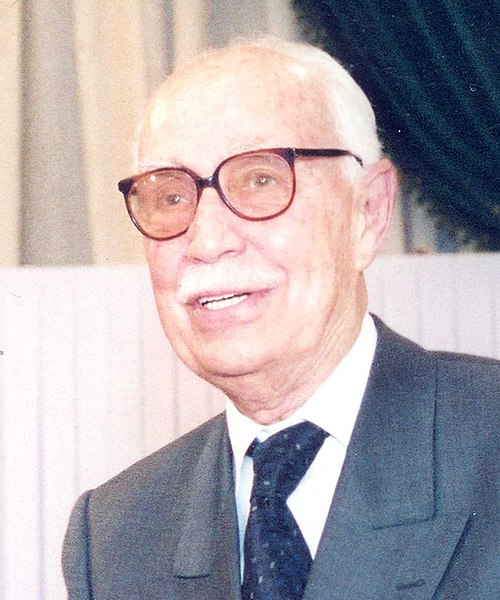
Abdelkrim Ghallab†
Novelist & Journalist
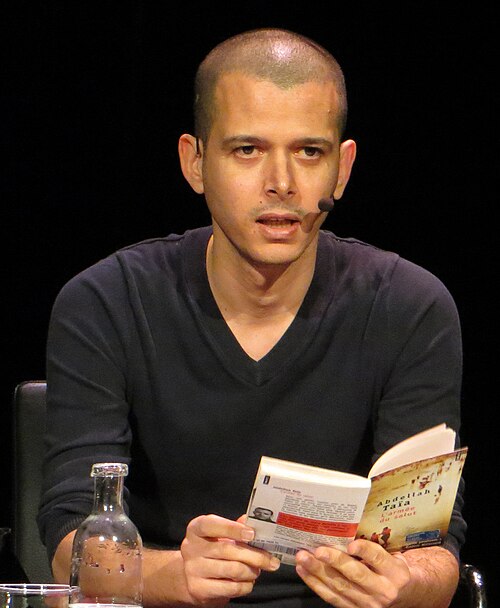
Abdellah Taïa
Novelist & Filmmaker