Financial Breakdown
Asset Distribution
Assets vs Liabilities
Assets
Disclaimer: These financial estimates are based on publicly available information and should be considered approximate. Last updated: 12/31/2025
Biography
Introduction: A Literary Architect of Angola
In the pantheon of African literature, few figures embody the intertwined struggles for artistic expression and national liberation as profoundly as Dr. José Luandino Vieira†. A seminal novelist and a symbol of resistance, his life and work are foundational to modern Angolan Arts & Culture. Born in Portugal but forged in the Angolan *musseques* (shantytowns) of Luanda, Vieira became a central figure in the fight for independence, using his pen as a weapon against colonial oppression. His key achievement lies not only in his poignant literary output but in his radical linguistic innovation: he masterfully blended Portuguese with Kimbundu rhythms and urban slang, creating a truly authentic Angolan literary voice. His status as a Novelist & Political Prisoner cemented his legacy, transforming his personal suffering into a powerful national narrative.
Early Life & Education: From Portugal to the *Musseques*
José Vieira Mateus da Graça was born in 1935 in Lagoa, Portugal. His journey to becoming Luandino Vieira began at age three when his family moved to Angola. This relocation was definitive; he would later adopt the nickname "Luandino" to signify his profound connection to Luanda, the capital city. His formal education was modest, culminating in a course in civil engineering. However, his real education occurred in the vibrant, harsh, and culturally rich musseques of Luanda. It was here that he absorbed the linguistic tapestry that would define his work: the Portuguese of the colonizer, intricately woven with the syntax, vocabulary, and proverbs of Kimbundu (the language of the Mbundu people) and the creative slang of the urban poor.
This formative experience shaped his worldview. By his late teens, he was already involved with anti-colonial intellectual circles. The young Vieira worked as a draftsman and began writing short stories, publishing his first works in the 1950s. His early exposure to the stark inequalities of colonial society and the rich oral traditions of his community laid the groundwork for a literary project dedicated to giving voice to the marginalized and articulating a distinct Angolan identity.
Career & Major Achievements: Literature as Liberation
The career of Dr. José Luandino Vieira† is a testament to art's power in the face of political tyranny. In the 1950s and early 1960s, he was a pivotal member of the "Cultura" magazine group and collaborated with the "Let's Discover Angola" movement, cultural initiatives that subtly challenged Portuguese rule. His early collections, like A Cidade e a Infância (The City and Childhood, written in 1957, published in 1960), captured Luandan life with unprecedented linguistic authenticity.
The Prison Years and Magnum Opus
Vieira's activism with the Popular Movement for the Liberation of Angola (MPLA) led to his arrest by the Portuguese secret police (PIDE) in 1959. He was arrested again in 1961, following the outbreak of the armed struggle for independence. In 1964, he was sentenced to 14 years of imprisonment and sent to the infamous Tarrafal concentration camp in Cape Verde. It was under these brutal conditions that he produced his masterpiece, Luuanda (1964). This collection of three interconnected stories, written on smuggled paper, is a landmark of African literature. It earned the prestigious Portuguese Writers' Society Grand Prize in 1965—an award the colonial authorities were forced to annul due to the author's status as a Political Prisoner. This act of censorship only amplified the book's symbolic power.
Literary Innovation and Post-Independence Role
After his release in 1972, he continued his literary and political work. Following Angola's independence in 1975, Dr. José Luandino Vieira† played a significant cultural role, serving as Director of the National Television and Secretary-General of the Angolan Writers' Union. His later works, including the epic novel Nosso Musseque (Our Musseque, 2003) and the autobiographical De Rios Velhos e Guerrilheiros (Of Old Rivers and Guerrillas, 2006), continued to explore the nation's history and collective memory. His complete works, published in 2016, solidified his position as a literary giant.
His major achievements include:
- Creating a new Angolan Portuguese literary language.
- Authoring the seminal work Luuanda, written in prison.
- Winning (and being denied) the 1965 Portuguese Writers' Society Grand Prize.
- Influencing generations of Lusophone African writers.
- Serving in key cultural positions in post-independence Angola.
Personal Life, Legacy, and Passing
Despite his public role, Dr. José Luandino Vieira† was known for his personal modesty and deep intellectual commitment. After decades in Angola, he returned to Portugal in the 1990s, settling in the village of Sintra. He remained a revered but discreet figure, often declining literary prizes, including the 2006 Camões Prize—the most prestigious award for Portuguese-language literature—which he refused for personal and philosophical reasons. This act underscored his principled stance against the potential commodification of his legacy. His life was a continuous dialogue between his Angolan heart and his craft, dedicated to preserving the stories of his people.
The legacy of Dr. José Luandino Vieira† is immense. He is universally recognized as a father of modern Angolan literature. His linguistic experimentation paved the way for later authors, and his life story remains a powerful narrative of resilience. He passed away on April 6, 2024, in Sintra, leaving behind a body of work that continues to be essential reading for understanding Angola's struggle for nationhood and the power of Arts & Culture in shaping identity. His work is studied globally as a cornerstone of postcolonial literature.
Literary Estate and Lasting Value
While the biography of a figure like Dr. José Luandino Vieira† is not defined by commercial wealth, the value of his literary and intellectual contribution is incalculable. As a Novelist who refused major prizes, he stood apart from the commercial literary world. His "net worth" lies in the cultural capital of his oeuvre. The business of his legacy is managed through the publication and translation rights of his works, held by his estate and publishers like the Portuguese publisher Caminho. The true business venture was the project of Angolan cultural liberation, of which he was a chief architect. The sales and academic study of his books, particularly Luuanda, ensure his ideas continue to generate intellectual and cultural dividends, cementing his place as a priceless asset to Angolan and world Literature.
Sources & Further Reading: For more information on the life and work of Dr. José Luandino Vieira†, readers can refer to academic databases, biographies from publishers like Caminho, and obituaries from major global news outlets published in April 2024. His works, including Luuanda, are available in translation from major academic presses.
Frequently Asked Questions
What is Dr. José Luandino Vieira†'s estimated net worth?
Dr. José Luandino Vieira† has an estimated net worth of $500,000.
What is Dr. José Luandino Vieira†'s role and nationality?
Dr. José Luandino Vieira† is a Novelist; Novelist & Political Prisoner from Angola.
How did Dr. José Luandino Vieira† make their money?
Dr. José Luandino Vieira† built their fortune primarily through José Luandino Vieira was a renowned but non-commercial literary figure and political prisoner, not a businessperson; his wealth derived from writing and academic work, not corporate assets..
How old is Dr. José Luandino Vieira†?
Dr. José Luandino Vieira† was born in 1935 (91 years old).
Which category is Dr. José Luandino Vieira† listed under?
Dr. José Luandino Vieira† is featured under the Arts & Culture category on NetWorth Africa.
How is Dr. José Luandino Vieira†'s net worth calculated?
NetWorth Africa estimates financial valuations using publicly available stock equity holdings, company ownership records, real estate assets, and verified market data.
Net Worth Analysis
José Luandino Vieira was a renowned but non-commercial literary figure and political prisoner, not a businessperson; his wealth derived from writing and academic work, not corporate assets.
Quick Stats
Related People
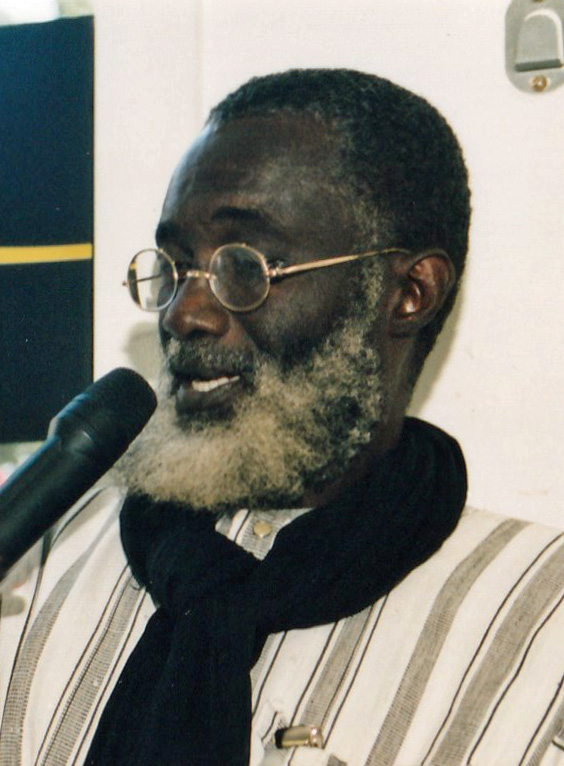
Abasse Ndione
Novelist & Playwright • Senegal
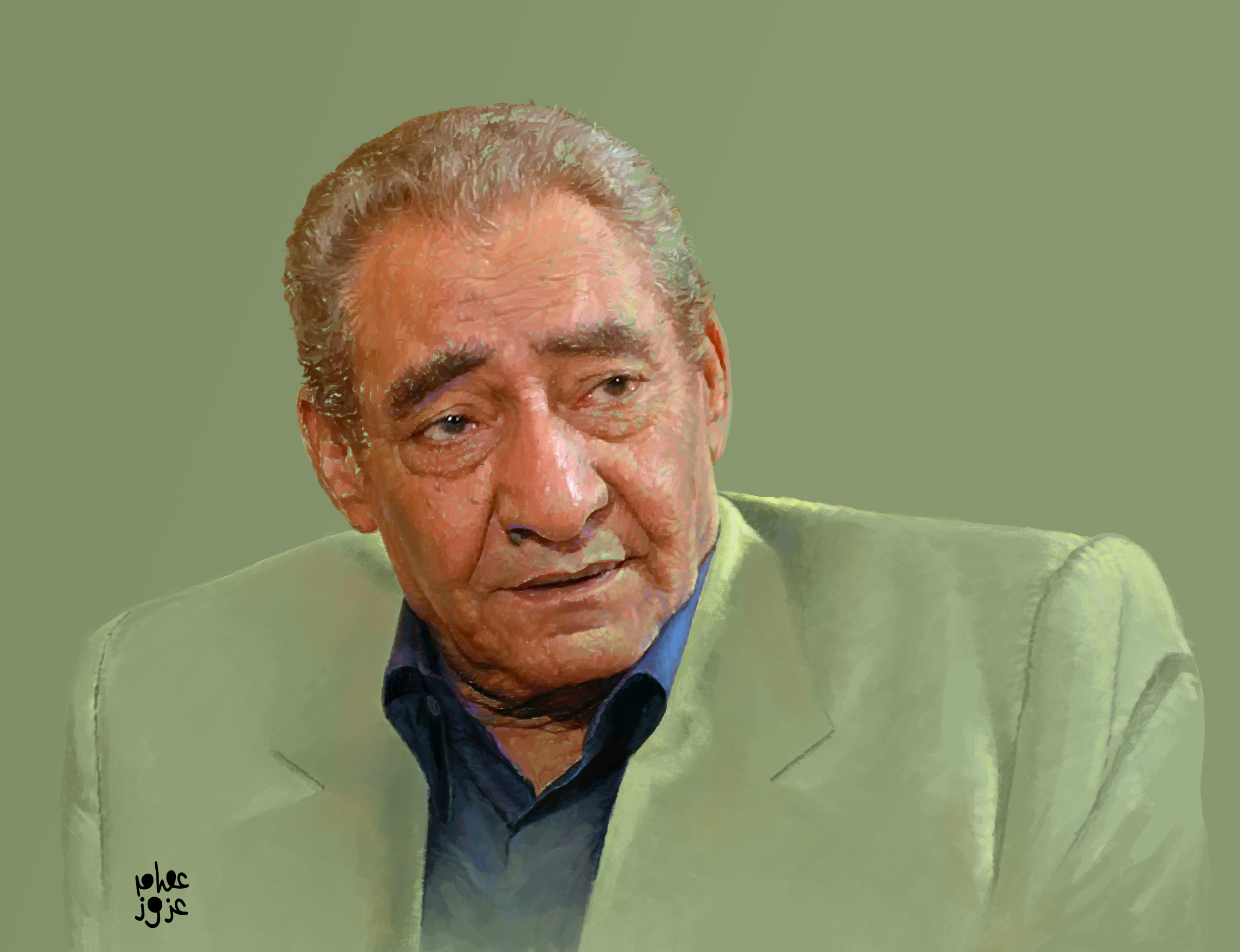
Abdel Rahman al-Abnudi†
Poet (Egypt-Sudan) • Sudan
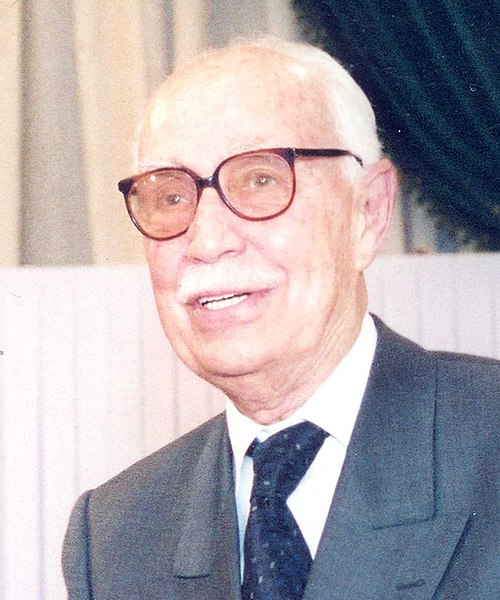
Abdelkrim Ghallab†
Novelist & Journalist • Morocco
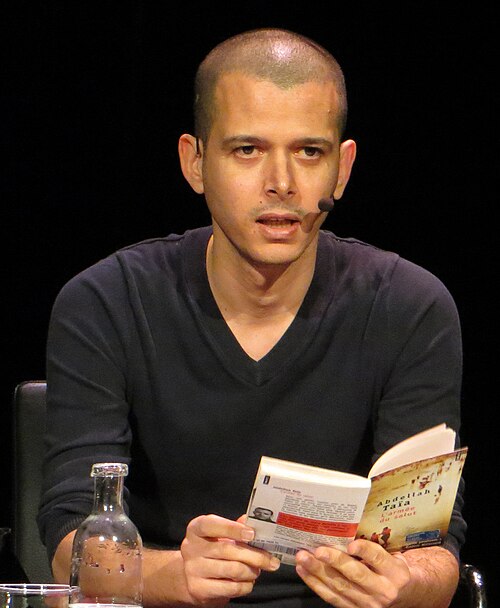
Abdellah Taïa
Novelist & Filmmaker • Morocco