$2M
Estimated Net Worth
As of 2024 • medium confidence
Financial Breakdown
Asset Distribution
Assets vs Liabilities
Assets
Disclaimer: These financial estimates are based on publicly available information and should be considered approximate. Last updated: 12/31/2025
Biography
Introduction: The Sound of a Revolution
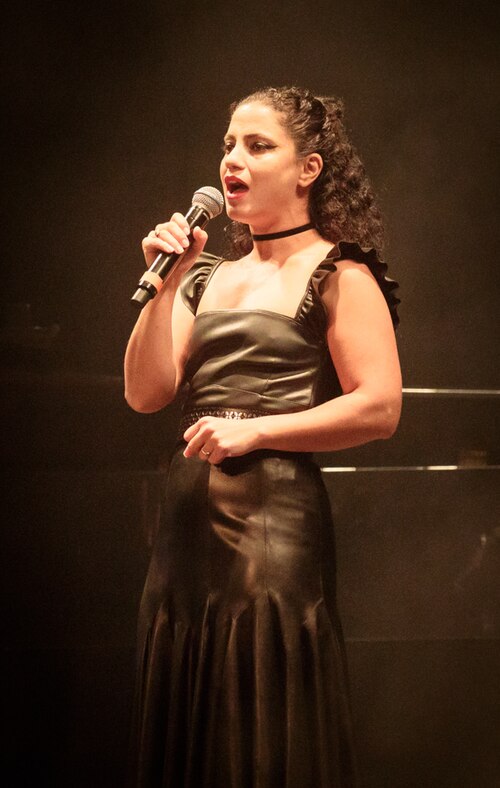
In the world of Entertainment, few artists embody the transformative power of music as profoundly as Emel Mathlouthi. Born in 1982 in Tunisia, Mathlouthi has risen from underground activist musician to an internationally acclaimed artist, celebrated as the Singer & Revolution Voice of the Arab Spring. Her journey is a testament to art's ability to challenge oppression and inspire change on a global scale. Her most notable achievement was having her protest song, "Kelmti Horra" (My Word is Free), adopted as an anthem during the 2011 Tunisian Revolution and later performed at the Nobel Peace Prize Concert. Emel Mathlouthi masterfully blends traditional North African sounds with electronic, rock, and ambient music, creating a unique sonic palette that carries messages of freedom, dignity, and human resilience. She stands not just as a musician, but as a cultural icon whose voice became the soundtrack for a generation demanding change.
Early Life & Education: The Seeds of a Revolutionary Artist
Emel Mathlouthi was born on January 1, 1982, in Tunis, Tunisia. Growing up under the authoritarian regime of Zine El Abidine Ben Ali, she developed an early awareness of social and political constraints, which would later deeply influence her artistry. From a young age, she was drawn to music, finding inspiration in a diverse range of sounds from classical Arabic music to Western rock and electronic acts.
Her formal education began at the University of Tunis, where she studied audiovisual and cinema. However, feeling stifled by the lack of creative freedom and the oppressive political climate, Emel Mathlouthi made a pivotal decision to leave Tunisia in 2008. She moved to Paris, France, to pursue her artistic dreams with greater liberty. This period was formative; it was in exile that her music transformed from personal expression into a potent tool for political commentary. She began performing in underground venues and online, using platforms like YouTube to share her defiant songs with a Tunisian audience that was hungry for voices of dissent. These early experiences—living under censorship and then finding her voice in exile—forged the unshakeable conviction and authentic sound that define Emel Mathlouthi.
Career & Major Achievements: From Underground Anthems to Global Stages
The career of Emel Mathlouthi is a narrative of courage and global resonance. Her breakthrough came unexpectedly from the heart of the Arab Spring. In late 2010 and early 2011, as protests erupted across Tunisia, her song "Kelmti Horra" became a viral hymn of the revolution. Its powerful lyrics, declaring "My word is free, I am free," provided a sonic identity to the movement. This was not just a musical success; it was a historic convergence of art and revolution.
The Rise to International Acclaim
Following the revolution, Emel Mathlouthi's star rose internationally. She released her debut album, "Kelmti Horra," in 2012. In 2015, she achieved a monumental milestone when she was invited to perform at the Nobel Peace Prize Concert in Oslo, a performance that cemented her status as a global symbol of peaceful resistance. That same year, she released her critically acclaimed second album, "Ensen" (Human), on the legendary Partisan Records label. This album showcased her artistic evolution, weaving complex electronic production with haunting melodies and poetic Arabic lyrics.
Artistic Evolution and Critical Recognition
Her subsequent albums demonstrate relentless innovation. "Ensen Dhaif" (2017) delved deeper into electronic and experimental territories, while "The Tunis Diaries" (2019) presented a more intimate, acoustic side. Her 2022 album, "MRA," is a powerful exploration of womanhood and strength. Emel Mathlouthi has graced the world's most prestigious stages, including:
- Performances at Glastonbury Festival and Coachella.
- A featured artist at the BBC Proms.
- Collaborations with renowned institutions like the National Symphony Orchestra at the Kennedy Center.
Her impact in Music and activism has been recognized with numerous awards and features in publications like The New York Times, BBC, and CNN, solidifying her role as a crucial voice in contemporary world music and political art.
Personal Life & Legacy: Beyond the Stage
While fiercely private, Emel Mathlouthi channels her personal convictions directly into her work and advocacy. She is a dedicated mother and often speaks about the interconnectedness of her roles as an artist, a woman, and a global citizen. Her personal life is deeply intertwined with her artistic mission—one of raising consciousness and advocating for human rights, freedom of expression, and the empowerment of women, particularly in the Arab world.
The legacy of Emel Mathlouthi is already profound. She redefined the role of the modern protest singer, using digital platforms to bypass censorship and connect directly with people. She proved that music could be a central actor in historical change, not just a commentator. For aspiring artists in Tunisia and across the MENA region, she is a pioneering figure who demonstrated that it is possible to create avant-garde, globally successful music while staying rooted in one's language and cultural identity. As a Singer & Revolution Voice, her lasting impact lies in her unwavering commitment to truth and her ability to translate struggle into breathtakingly beautiful art, offering a timeless message of hope and resistance.
Net Worth & Business Ventures: The Value of Independent Art
While the exact net worth of Emel Mathlouthi is not publicly disclosed, her financial success is built on a foundation of critical acclaim and independent artistry rather than mainstream commercialism. Her income streams are typical of a respected, internationally touring musician and include:
- Album sales and streaming royalties from her work released on labels like Partisan Records.
- Revenue from global concert tours and performances at major festivals.
- Licensing deals for film, television, and media, given the cinematic quality of her music.
- Awards and grants that support artistic creation.
Notably, Emel Mathlouthi has maintained significant artistic control over her career. She is her own primary business venture, having built a brand synonymous with integrity, revolutionary spirit, and high artistic quality. Her "business" is her message, and her success is measured not just in financial terms but in her immense cultural influence and the enduring power of her music as a tool for change. In an industry often driven by profit, Emel Mathlouthi stands as a model of how an artist can achieve global recognition by staying true to a powerful, authentic vision.
Sources & Further Reading: Information for this biography was compiled from credible interviews, profiles, and official releases. For more on Emel Mathlouthi, you can explore her official website, her artist page on Partisan Records, and verified profiles on major news outlets like The New York Times and BBC News.
Net Worth Analysis
Emel Mathlouthi is a successful Tunisian singer and activist, but she is not a business magnate and is not listed on any billionaire ranking; her wealth is estimated based on music sales, performances, and activism.
Quick Stats
Related People

2Baba (Innocent Idibia)
Veteran Artist & Activist

Aar Maanta
Singer & Composer
Abdel Aziz al-Mubarak
Oud Master
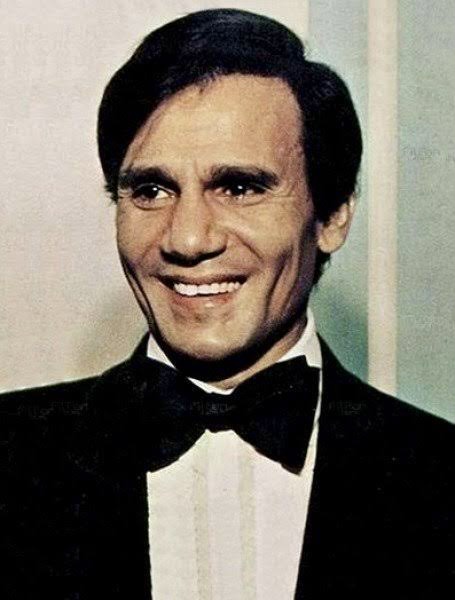
Abdel Halim Hafez†
Legend; “Nightingale”; “The Dark-Skinned Nightingale”