Biography
Introduction: A Digital Catalyst for Change
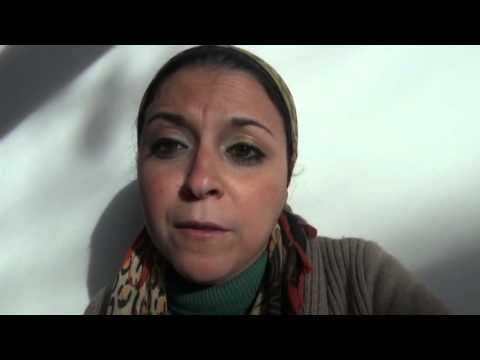
In the annals of modern Egyptian history and the global narrative of digital activism, few names resonate as powerfully as Esraa Abdel Fattah. Born in 1985, she emerged from the burgeoning online world to become a pivotal figure in the grassroots movement that culminated in the 2011 Revolution. Dubbed the "Facebook Girl" by international media, Esraa Abdel Fattah symbolizes the potent intersection of social media technology and political dissent. Her key achievement lies in her instrumental role as a co-founder and administrator of the "April 6 Youth Movement" Facebook page, a digital megaphone that mobilized hundreds of thousands of young Egyptians against the regime of Hosni Mubarak. This biography delves into the life of this courageous activist, exploring her journey from an ordinary citizen to an icon of resistance and a enduring voice for freedom in the Entertainment and media sphere of socio-political commentary.
Early Life & Education: The Formative Years
Esraa Abdel Fattah was born in 1985, growing up in an Egypt under the long-standing rule of President Hosni Mubarak. From a young age, she exhibited a keen interest in social issues and public affairs, a trait that would later define her path. Her educational journey was rooted in the practical and communicative fields. She earned a degree in Business Administration from the Modern Academy for Computer Science and Management Technology in Maadi, Cairo. This foundation in business and technology, albeit not directly political, equipped her with organizational skills and a comfort with digital platforms that would prove invaluable.
Her early career steps were in the realm of human resources and journalism. She worked as an HR coordinator and later as a journalist for various news outlets, including Al-Dostor newspaper and Youm7. This journalistic experience was a critical formative period. It honed her ability to analyze events, communicate effectively, and, most importantly, witness firsthand the socio-political constraints and injustices within her country. The combination of her tech-savviness, gained through her education, and her growing political consciousness, fueled by her work in media, created the perfect alchemy for her future role. Before 2011, she was already engaging with online forums and social media, connecting with other like-minded youth who were growing increasingly frustrated with economic stagnation, political repression, and police brutality.
Career & Major Achievements: Architect of a Digital Uprising
The career and impact of Esraa Abdel Fattah are inextricably linked to the 2011 Revolution. Her major achievements are not measured in traditional professional milestones but in her capacity to organize, inspire, and endure.
The April 6 Movement and the "Facebook Girl" Moniker
In 2008, labor strikes in the industrial city of El-Mahalla El-Kubra sparked a wave of solidarity among young activists. In response, Esraa Abdel Fattah, along with colleagues like Ahmed Maher and Amr Ezz, co-founded the "April 6 Youth Movement" on Facebook. The page aimed to coordinate a national general strike in support of the Mahalla workers on April 6, 2008. Esraa Abdel Fattah took on the crucial role of a primary administrator. Her work in managing the page, sharing information, and galvanizing online support was so effective that the group quickly amassed over 70,000 members, an enormous number for the time. This success caught the attention of the global press, who labeled her the "Facebook Girl," highlighting the novel use of social media for political mobilization in the Arab world.
The 2011 Revolution and Subsequent Imprisonment
The April 6 Movement's network and experience became the backbone for the calls that led to the "Day of Rage" on January 25, 2011. While the revolution was a decentralized movement with countless heroes, Esraa Abdel Fattah's early digital groundwork provided a critical organizational template. However, her activism came at a severe personal cost. Even before 2011, she was arrested in 2008 for her role in the April 6 strike and detained for two weeks, an experience that only strengthened her resolve. Following the 2011 uprising and the subsequent political turmoil, she faced repeated arrests and imprisonment under different administrations, reflecting the ongoing struggles in Egypt.
One of the most notable periods was her detention in October 2019. She was arrested on charges of "spreading false news" and "misusing social media" after calling for protests against the government. This arrest drew widespread condemnation from international human rights organizations like Amnesty International and Human Rights Watch, who designated her a prisoner of conscience. She was released in late 2021 after over two years in pre-trial detention, yet she remains under strict probation measures.
Awards and Recognition
Despite state persecution, Esraa Abdel Fattah's courage has been recognized internationally. Her awards include:
- The 2011 "Person of the Year" runner-up by Time Magazine (as part of "The Protester").
- The "Courage in Journalism Award" from the International Women's Media Foundation (IWMF) in 2011.
- Inclusion in the BBC's 100 Women list in 2014.
Personal Life & Legacy: The Human Cost and Enduring Impact
Behind the activist icon is a private individual who has paid a heavy price for her public stance. Esraa Abdel Fattah is married and a mother, and her prolonged incarcerations have meant significant time away from her family, a profound personal sacrifice that underscores her commitment. Her interests, as reflected in her early career, remain in writing and communication, though her platform is now unavoidably political.
Her legacy is multifaceted. Primarily, Esraa Abdel Fattah is a pioneer of digital activism in the Arab world. She demonstrated how platforms like Facebook could transcend social networking to become tools of mass mobilization, inspiring activists globally. Secondly, she represents the persistent and often perilous struggle for civil liberties in Egypt. Her repeated imprisonments under different rulers highlight the ongoing challenges facing dissent. Finally, her story is a powerful testament to the role of women in revolutionary movements, challenging stereotypes and leading from the front. Her legacy is not one of a finished struggle, but of an ongoing resilience that continues to inspire a new generation of Egyptians and digital activists worldwide.
Net Worth & Business Ventures
Unlike figures in the traditional Entertainment or business sectors, Esraa Abdel Fattah's life has been dedicated to activism, often at the expense of financial stability or entrepreneurial pursuit. There is no publicly available or verifiable information regarding a personal net worth for Esraa Abdel Fattah. Her career in journalism and human resources was modest, and her path as an activist has led primarily to legal battles, imprisonment, and probation rather than lucrative business ventures. Any financial resources associated with her name are likely tied to legal defense funds or support from human rights organizations. Her "value" is measured in social and political capital—her influence as a symbol of resistance and her contribution to shaping the modern history of Egypt. For Esraa Abdel Fattah, the currency of her work has been justice and freedom, not monetary wealth.
Frequently Asked Questions
What is Esraa Abdel Fattah's estimated net worth?
Esraa Abdel Fattah has an estimated net worth of $1.0 Million.
What is Esraa Abdel Fattah's role and nationality?
Esraa Abdel Fattah is a 2011; 2011 Activist; Activist; “Facebook Girl” of 2011 Revolution from Egypt.
How did Esraa Abdel Fattah make their money?
Esraa Abdel Fattah built their fortune primarily through Esraa Abdel Fattah is a prominent activist and journalist, not a business figure; her wealth is not publicly reported and is not comparable to African business billionaires on rich lists..
How old is Esraa Abdel Fattah?
Esraa Abdel Fattah was born in 1985 (41 years old).
Which category is Esraa Abdel Fattah listed under?
Esraa Abdel Fattah is featured under the Entertainment category on NetWorth Africa.
How is Esraa Abdel Fattah's net worth calculated?
NetWorth Africa estimates financial valuations using publicly available stock equity holdings, company ownership records, real estate assets, and verified market data.
Net Worth Analysis
Esraa Abdel Fattah is a prominent activist and journalist, not a business figure; her wealth is not publicly reported and is not comparable to African business billionaires on rich lists.
Quick Stats
Related People

2Baba (Innocent Idibia)
Veteran Artist & Activist • Nigeria
Aar Maanta
Singer & Composer • Somalia

Abdel Aziz al-Mubarak
Oud Master • Sudan
Abdel Halim Hafez†
Legend; “Nightingale”; “The Dark-Skinned Nightingale” • Egypt