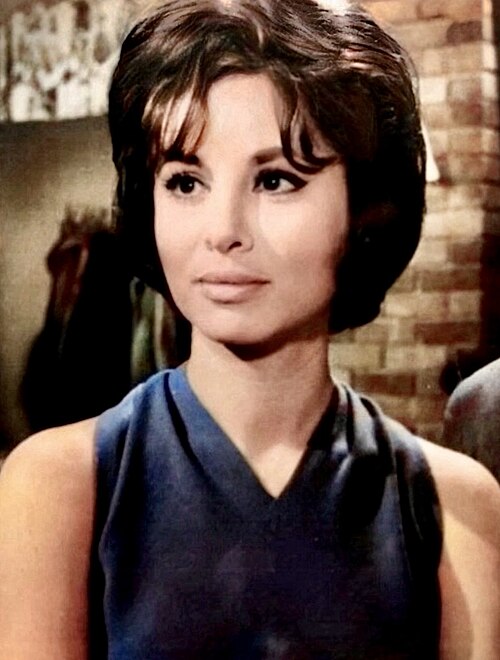
Financial Breakdown
Asset Distribution
Assets vs Liabilities
Assets
Disclaimer: These financial estimates are based on publicly available information and should be considered approximate. Last updated: 12/31/2025
Biography
Introduction: A Cinematic Icon
In the pantheon of Arts & Culture, few names shine as brightly or as enduringly as Faten Hamama†. Revered as the “Lady of Arabic Cinema”, Hamama was more than just a film star; she was a national treasure of Egypt and a cultural ambassador whose career spanned over five decades. From her debut as a child actress to her reign as the most respected leading lady in the Arab world, Faten Hamama† embodied the evolution of Egyptian cinema itself. Her remarkable filmography of over 100 films is a testament to her unparalleled talent, selective artistry, and profound impact on social consciousness. She wasn't merely an actress; she was a Cinema Legend who chose roles that reflected and challenged the society of her time, making her an icon of both artistic excellence and progressive values.
Early Life & Education: The Budding Star
Faten Hamama† was born on May 27, 1931, in the city of Mansoura, located in the Nile Delta of Egypt. Demonstrating a precocious talent from a very young age, her journey into the spotlight began almost serendipitously. At just six years old, her father, an employee at the Egyptian Ministry of Education, took her to the studio of director Mohamed Karim. Instantly recognizing her photogenic face and natural poise, Karim cast her in his 1939 film Yawm Said (Happy Day). This marked the beginning of an extraordinary path.
Her early education was balanced with her burgeoning film career. She attended primary and secondary school in Cairo, all while appearing in supportive roles throughout the 1940s. Recognizing the need to hone her craft, she enrolled in the prestigious High Institute of Acting in Cairo. This formal training, combined with her on-set experience, allowed her to transition seamlessly from child roles to more complex teenage and adult characters. By the late 1940s, the young actress was no longer just a promising child star but a serious performer ready to claim her throne. Her formative years instilled in her a discipline and depth that would distinguish her from her contemporaries, setting the stage for her legendary status.
Career & Major Achievements: Defining an Era of Cinema
The career of Faten Hamama† is a masterclass in artistic evolution and sustained relevance. Her breakthrough into adult stardom came with the 1949 film Angels in Hell, but it was her role in Henry Barakat's The Night of My Life (1952) that truly established her as a leading lady. However, her career was not just about popularity; it was about purpose. Faten Hamama† meticulously selected roles that carried social weight, often portraying strong, resilient women navigating issues of poverty, injustice, and societal change.
The Golden Age and Social Commentary
Throughout the 1950s and 1960s—the Golden Age of Egyptian cinema—Hamama delivered a string of iconic performances that are etched into Arab cultural memory. Films like The River of Love (1960), I Am Free (1959), and The Open Door (1963) were not only commercial successes but also catalysts for public discourse. Her collaboration with director Youssef Chahine in Cairo Station (1958) showcased her versatility in a dramatic thriller. Perhaps her most famous role came in 1972's Empire M, a scathing critique of corruption that was banned for years but remains a cinematic landmark.
Accolades and International Recognition
Her trophy cabinet reflected her peerless status. Faten Hamama† received countless awards, including:
- The Egypt State Appreciation Award in Arts (1975).
- Best Actress awards from numerous national and regional film festivals.
- In 2000, she was named "Star of the Century" by the Egyptian Writers and Critics organization.
- Her influence was recognized globally when she was appointed a UNESCO Goodwill Ambassador in 2001 for her efforts in promoting children's rights and education.
After a self-imposed exile in the late 1960s and early 1970s, she returned to Egypt and continued to choose powerful roles in television and film, including the monumental TV series Daughter of the Nile (1994), proving her appeal transcended generations.
Personal Life & Legacy: Beyond the Silver Screen
The personal life of Faten Hamama† was as closely followed as her films. She was married twice, first to director Ezzel Dine Zulficar, with whom she co-founded her own production company. Her second marriage was to the legendary actor Omar Sharif, a union that created the Arab world's most famous cinematic power couple. Their on-screen chemistry in films like Struggle in the Valley (1954) and The River of Love (1960) was electric, captivating audiences across the Middle East. Though they divorced in 1974, their partnership remains a defining chapter in film history.
Beyond acting, Hamama was known for her intelligence, grace, and philanthropic spirit. She was a staunch advocate for education and women's rights, often channeling these passions into her role selections. The legacy of Faten Hamama† is immortal. She passed away on January 17, 2015, prompting a period of national mourning in Egypt and across the Arab world. Today, she is remembered not just for her beautiful portrayals, but for elevating Arabic cinema, championing social issues, and embodying the dignity and strength of the women she portrayed. She set the standard for what a film star could and should be—an artist with a conscience.
Net Worth & Business Ventures
While specific figures from her era are rarely disclosed with modern precision, Faten Hamama† was undoubtedly one of the highest-paid and most financially successful actresses in the history of Arab cinema. Her wealth was accrued through decades of starring roles, shrewd business decisions, and her work as a producer. In the 1950s, alongside her then-husband Ezzel Dine Zulficar, she co-founded Faten Hamama† Films, a production company that gave her significant creative control and a share of the profits from her projects. This move was pioneering for an actress at the time and demonstrated her business acumen.
Her financial success was a direct result of her monumental popularity and selective approach. Commanding top fees for her performances in both cinema and later television, she ensured her work was both critically and commercially valuable. Her assets included real estate in Egypt. Ultimately, the "net worth" of Faten Hamama† transcends monetary value; it is measured in her priceless contribution to Arts & Culture and her enduring status as a true Icon and Legend.
Frequently Asked Questions
What is Faten Hamama†'s estimated net worth?
Faten Hamama† has an estimated net worth of R 161.9 Million.
What is Faten Hamama†'s role and nationality?
Faten Hamama† is a Icon; Legend; “Lady of Arabic Cinema” from Egypt.
How did Faten Hamama† make their money?
Faten Hamama† built their fortune primarily through Faten Hamama was a highly successful actress and producer, but her wealth was from her career earnings and not comparable to business tycoons. She passed away in 2015, and no substantial posthumous estate value is publicly quantified..
How old is Faten Hamama†?
Faten Hamama† was born in 1931 (95 years old).
Which category is Faten Hamama† listed under?
Faten Hamama† is featured under the Arts & Culture category on NetWorth Africa.
How is Faten Hamama†'s net worth calculated?
NetWorth Africa estimates financial valuations using publicly available stock equity holdings, company ownership records, real estate assets, and verified market data.
Net Worth Analysis
Faten Hamama was a highly successful actress and producer, but her wealth was from her career earnings and not comparable to business tycoons. She passed away in 2015, and no substantial posthumous estate value is publicly quantified.
Quick Stats
Related People
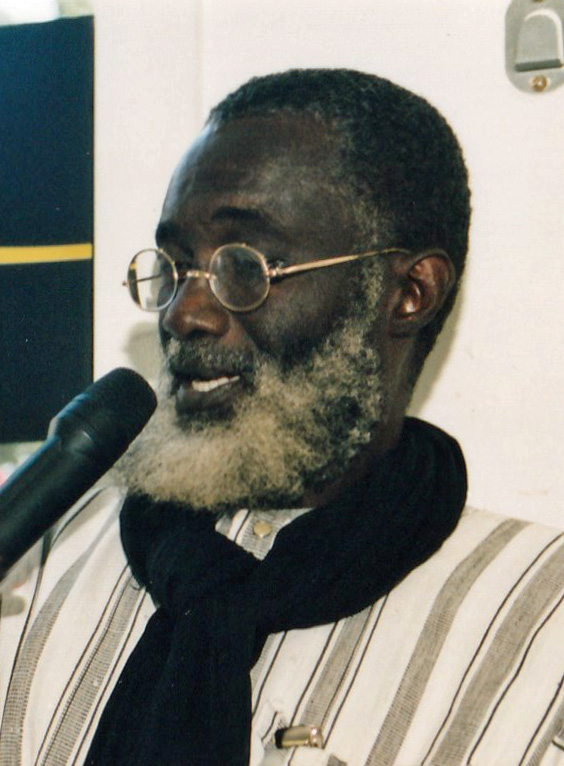
Abasse Ndione
Novelist & Playwright • Senegal
Abdel Rahman al-Abnudi†
Poet (Egypt-Sudan) • Sudan
Abdelkrim Ghallab†
Novelist & Journalist • Morocco
Abdellah Taïa
Novelist & Filmmaker • Morocco