Financial Breakdown
Asset Distribution
Assets vs Liabilities
Assets
Liabilities
Disclaimer: These financial estimates are based on publicly available information and should be considered approximate. Last updated: 12/31/2025
Biography
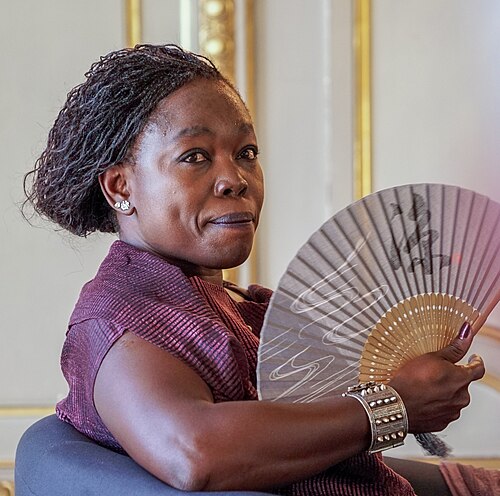
In the vibrant landscape of contemporary Francophone literature, Fatou Diome stands as a powerful and essential voice. A novelist (Senegal-France) of profound insight and unflinching honesty, Diome has carved a unique space by exploring the complex realities of immigration, identity, and cultural hybridity. Born in Senegal and building her literary career in France, her work is a poignant testament to the lives caught between two worlds. Achieving international acclaim with her debut novel, Le Ventre de l'Atlantique (The Belly of the Atlantic) in 2003, Fatou Diome uses sharp wit, rich storytelling, and deep social consciousness to challenge stereotypes and give voice to the often-unheard narratives of the African diaspora. Her contributions to Arts & Culture extend beyond the page into passionate public discourse, establishing her as a leading intellectual figure in debates on colonialism, feminism, and global inequality.
Early Life and Formative Years in Senegal
Fatou Diome was born in 1968 on the small island of Niodior, located in the Sine-Saloum delta of Senegal. Raised by her grandmother in a traditional Serer community, her early life was steeped in oral storytelling, a foundational element that would later shape her narrative style. The rhythms of island life, the communal values, and the stark realities of economic hardship provided the first canvas for her observations on human nature and society.
Education and The Path to France
Diome's thirst for knowledge was evident early on. Despite societal expectations for girls at the time, she pursued her education with determination. After primary school on the island, she moved to the mainland to continue her studies in Mbour. At the age of 13, she began writing. Her academic prowess led her to the University of Dakar, where she studied English. It was here that she met a Frenchman, married, and moved to France in 1994. The transition was not the dreamed-of "Eldorado"; she faced isolation, menial jobs, and the harshness of immigrant life in Strasbourg. Yet, she persevered, eventually enrolling at the University of Strasbourg, where she earned a master's degree in Modern Literature and a PhD in French Literature. Her doctoral thesis focused on the representation of immigrants in French and Senegalese literature, academically framing the themes that would dominate her fictional work.
Literary Career and Major Achievements
The launch of Fatou Diome's literary career is a story of remarkable breakthrough. Her experiences as an immigrant woman, scholar, and observer crystallized into her seminal work, Le Ventre de l'Atlantique. Published in 2003, the novel was an instant success, selling over 100,000 copies and being translated into numerous languages. It brilliantly depicts the illusions that young Senegalese harbor about life in Europe through the story of Salie, an expatriate in Paris, and her brother Madické, who dreams of becoming a soccer star in France. The novel's title metaphor—the Atlantic Ocean as a deceptive belly that both connects and separates—became a defining image for her oeuvre.
A Prolific and Courageous Body of Work
Following her explosive debut, Fatou Diome continued to publish novels, short stories, and essays that solidify her reputation. Her bibliography is a courageous exploration of intertwined personal and political landscapes:
- Kétala (2006): A novel exploring family secrets and memory through the tradition of objects that hold the spirit of the deceased.
- Inassouvies, nos vies (The Unassuaged, Our Lives) (2008): A collection of short stories delving into the lives and desires of women across different ages and backgrounds.
- Le Vieil Homge sur la barque (The Old Man on the Boat) (2010): A poetic and philosophical tale addressing environmental issues and the wisdom of traditional knowledge.
- Les Loups de l'Atlantique (Marianne porte plainte!) (2020): A fierce, essay-like novel critiquing the enduring legacy of colonialism, French politics, and global injustice, framed as a complaint filed by Marianne, the symbol of the French Republic.
Beyond novels, Diome is a frequent and sought-after commentator in French media. Her televised appearances, particularly on the popular literary show La Grande Librairie, are noted for their eloquence and uncompromising critiques of political and social issues. She engages forcefully in debates on immigration, identity politics, and feminism from a distinctly African and diasporic perspective, making her a significant public intellectual in the Francophone world.
Themes and Impact on Literature
The work of Fatou Diome is unified by several powerful themes. The experience of immigration is central, not as a linear success story but as a complex, often painful process of negotiation. She masterfully explores cultural hybridity—the state of belonging to both Senegal and France, yet feeling fully at home in neither. A strong feminist undercurrent runs through her writing, highlighting the specific struggles and resilience of women. Furthermore, she consistently addresses the enduring impacts of colonialism and global economic disparity. Her impact lies in her ability to personalize these vast geopolitical issues, making them resonate through compelling characters and narratives, thereby broadening the scope of contemporary European and African literature.
Personal Life, Philosophy, and Lasting Legacy
Fatou Diome guards her private life closely, preferring her public persona to be defined by her work and ideas. She is known to be an avid reader with deep intellectual curiosity. While not widely publicized as a philanthropist in the traditional sense, her activism is inherently woven into her writing and public engagements. She uses her platform to advocate for a more nuanced understanding of Africa, to challenge xenophobia, and to promote cross-cultural dialogue. She lives between Strasbourg, France, and Senegal, maintaining that vital connection to her homeland which fuels her creative vision.
Her legacy is still being written, but its contours are clear. Fatou Diome has opened crucial spaces for conversation within Arts & Culture. She has inspired a generation of writers and thinkers to address diasporic identities with complexity and courage. As a novelist (Senegal-France), she serves as a critical bridge, translating the experiences of the African diaspora for a global audience while holding a mirror to European societies. Her voice remains indispensable in ongoing discussions about our interconnected, yet deeply divided, world.
Literary Recognition and Influence
While Fatou Diome's works have achieved significant commercial success and are staples in university curricula on Francophone literature, her relationship with formal literary prizes has been nuanced. Her influence is measured more in her robust readership and her role as a public intellectual than in a trophy case. The sales figures for her debut novel, exceeding 100,000 copies, are a testament to her direct impact on the reading public. Her essays and media interventions generate widespread discussion, often trending on social media and influencing public debate. This form of recognition—engaged, sometimes contentious, and always relevant—solidifies her status as a major cultural figure. She represents a model of the writer as an active citizen, using the pen and the platform to interrogate power and give narrative shape to the silenced.
In conclusion, Fatou Diome is more than an author; she is a chronicler of our global age. From her roots on the island of Niodior, Senegal, to her position in the heart of European intellectual discourse, her journey informs a body of work that is essential reading for anyone seeking to understand the personal and political dynamics of migration, identity, and memory in the 21st century. Her contributions to literature and Arts & Culture ensure that the voices from the "belly of the Atlantic" are heard loud and clear.
Frequently Asked Questions
What is Fatou Diome's estimated net worth?
Fatou Diome has an estimated net worth of $2.0 Million.
What is Fatou Diome's role and nationality?
Fatou Diome is a Novelist (Senegal-France) from Senegal.
How did Fatou Diome make their money?
Fatou Diome built their fortune primarily through Fatou Diome is a successful novelist and essayist, but her wealth is derived from book sales, lectures, and academic work, not business or industry, placing her in the millionaire range typical for literary figures..
How old is Fatou Diome?
Fatou Diome was born in 1968 (58 years old).
Which category is Fatou Diome listed under?
Fatou Diome is featured under the Arts & Culture category on NetWorth Africa.
How is Fatou Diome's net worth calculated?
NetWorth Africa estimates financial valuations using publicly available stock equity holdings, company ownership records, real estate assets, and verified market data.
Net Worth Analysis
Fatou Diome is a successful novelist and essayist, but her wealth is derived from book sales, lectures, and academic work, not business or industry, placing her in the millionaire range typical for literary figures.
Quick Stats

Related People
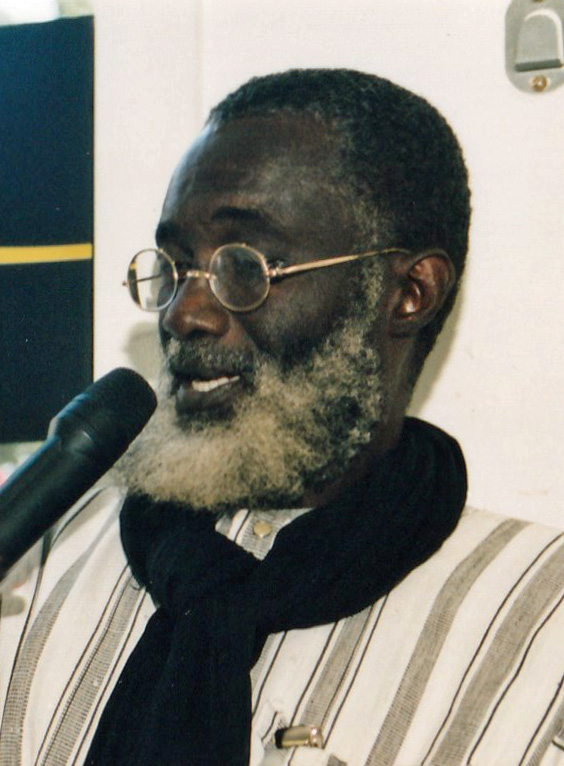
Abasse Ndione
Novelist & Playwright • Senegal
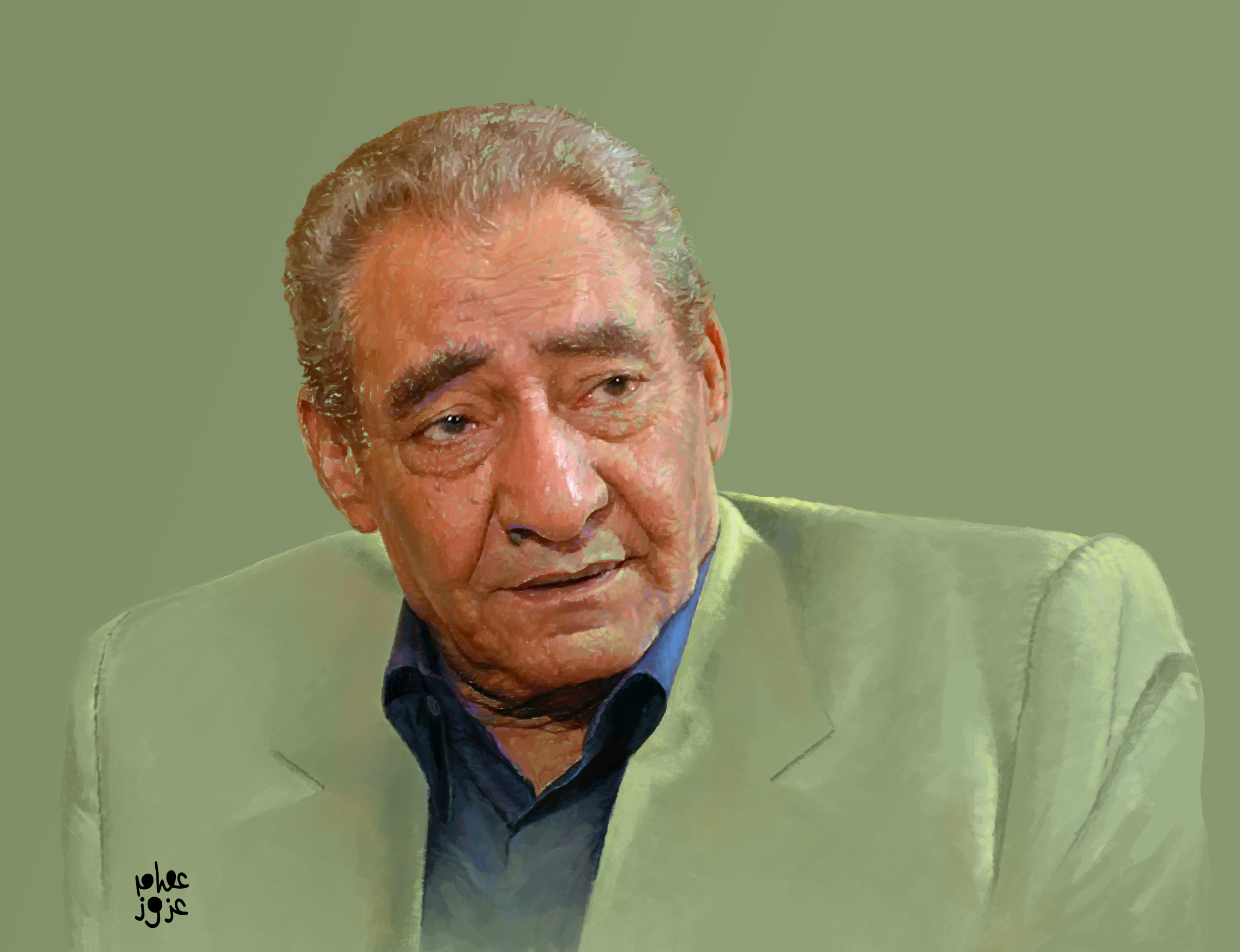
Abdel Rahman al-Abnudi†
Poet (Egypt-Sudan) • Sudan
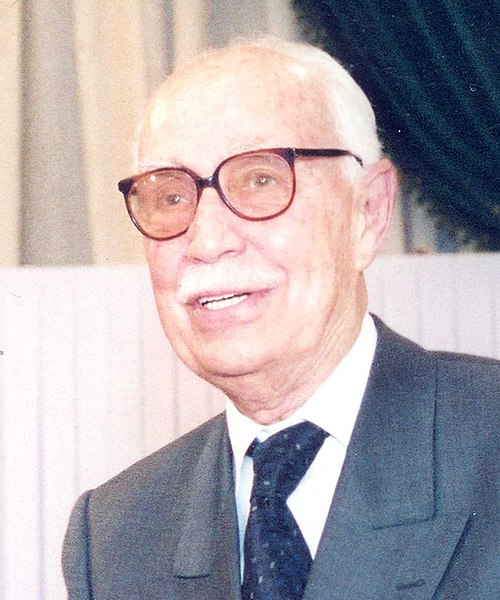
Abdelkrim Ghallab†
Novelist & Journalist • Morocco
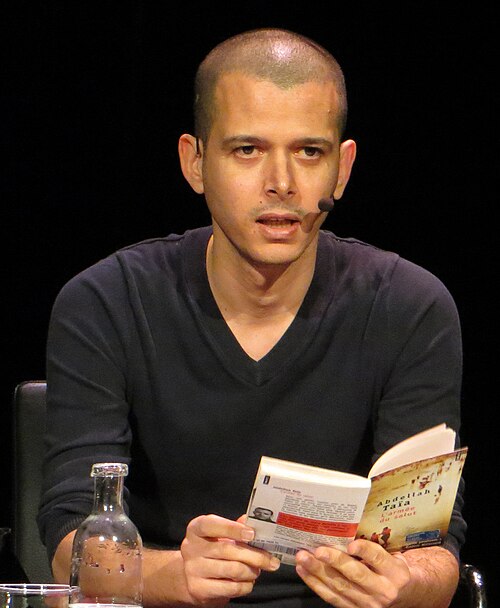
Abdellah Taïa
Novelist & Filmmaker • Morocco