$1M
Estimated Net Worth
As of 2024 • medium confidence
Financial Breakdown
Asset Distribution
Assets vs Liabilities
Assets
Disclaimer: These financial estimates are based on publicly available information and should be considered approximate. Last updated: 12/31/2025
Biography
Introduction: A Renaissance Man of African Expression
Francis Bebey† (1929–2001) stands as a monumental figure in the pantheon of 20th-century African creativity, a true polymath who masterfully wove together the threads of literature, music, and cultural scholarship. Renowned as both a groundbreaking Novelist & Musician, Bebey's work served as a profound bridge between traditional African aesthetics and modern artistic forms. His most celebrated novel, Agatha Moudio’s Son (1967), earned him the prestigious Grand Prix Littéraire de l'Afrique Noire in 1968, cementing his place in literary history. Yet, his genius was not confined to the page. As a composer and virtuoso of the sanzi (African thumb piano) and guitar, Francis Bebey† created a unique sonic universe that blended Pygmy polyphonies, highlife, jazz, and classical motifs. This dual legacy makes him an indispensable icon of Cameroonian and global Arts & Culture, whose influence continues to resonate.
Early Life & Education: Forging a Cross-Cultural Identity
Francis Bebey† was born on July 15, 1929, in Douala, Cameroon, then under French colonial administration. His early environment was a crucible of cultural influences. His father, a Protestant pastor, introduced him to European classical music and hymns, while the vibrant sounds of traditional Douala music and stories formed his indigenous roots. This bicultural upbringing became the foundational tension and harmony that would define his entire oeuvre.
His academic journey was both rigorous and international, shaping his intellectual worldview:
- He first attended the École Normale de William-Ponty in Senegal, a seminal institution for many future African leaders and artists.
- Pursuing higher studies in the United States, he studied broadcasting at New York University.
- He then furthered his education in France at the Sorbonne University, where he studied literature and musicology.
This unique educational path equipped Francis Bebey† with the technical tools for radio production, a deep literary sensibility, and a scholarly approach to music. His early career saw him working as a journalist and radio producer for the French broadcasting service Radiodiffusion-Télévision Française (RTF), and later as a cultural advisor for UNESCO in Paris. These roles immersed him in global media and cultural policy, further expanding his perspective on the place of African arts in the world.
Career & Major Achievements: A Dual Legacy of Words and Sound
The career of Francis Bebey† is a testament to parallel mastery. He refused to be pigeonholed, achieving excellence in multiple fields simultaneously and allowing each to inform the other.
Literary Triumphs and Thematic Depth
Bebey's literary output, primarily in French, is marked by its humor, warmth, and insightful exploration of cultural collision. His debut and most famous novel, Le Fils d'Agatha Moudio (Agatha Moudio’s Son), is a social comedy that deftly tackles themes of tradition versus modernity, love, and familial duty within a Cameroonian village context. Winning the Grand Prix Littéraire de l'Afrique Noire in 1968, it announced a major new voice in African literature. Other significant works include:
- La Poupée Ashanti (1973) – exploring African identity in Europe.
- Le Roi Albert d'Effidi (1976) – a satirical novel about power and deception.
- La Lune et le Caïman (1995) – a poetic tale blending myth and reality.
Musical Innovation and Global Resonance
Parallel to his writing, Francis Bebey† cultivated an extraordinary musical career. He released over twenty albums from the late 1960s onward. His music was characterized by:
- Instrumental Mastery: He was a renowned player of the sanzi (thumb piano) and used the guitar in unconventional, percussive styles to mimic traditional African instruments.
- Fusion of Styles: He seamlessly integrated Pygmy vocal techniques, Makossa rhythms from Cameroon, Brazilian bossa nova, and European classical structures.
- Poetic Lyricism: His songs, often sung in French, English, Douala, or onomatopoeic sounds, were witty, philosophical, and deeply humanist.
Personal Life, Philosophy & Lasting Legacy
Francis Bebey† was known as a gentle intellectual with a sharp wit and boundless curiosity. He lived primarily in Paris but remained deeply connected to his Cameroonian heritage, which was the constant wellspring of his art. His personal philosophy was one of synthesis and humanism; he saw no contradiction in appreciating Bach and Biyoudi, viewing all human artistic expression as part of a universal conversation. He was a dedicated father to his children, including his son, Patrick Bebey, who also became a musician and continues to curate his father's legacy.
The legacy of Francis Bebey† is multifaceted and enduring. He pioneered a model of the African artist as an independent, interdisciplinary creator long before it became common. In literature, he expanded the thematic range of the African novel with his subtle humor and focus on intimate human dramas. In music, he was a genuine avant-gardist, creating a sophisticated, globally-aware African sound that predated and inspired the "world music" movement. His scholarly work continues to be a critical resource. He passed away on May 28, 2001, in Paris, but his work remains a vital source of inspiration, challenging future generations of artists in Cameroon and across Africa to embrace their cultural complexity without compromise.
Net Worth, Business Ventures & Cultural Capital
While specific figures regarding Francis Bebey†'s net worth are not publicly documented, his financial model was that of a prolific, independent artist and intellectual. His income streams were diversified, stemming from:
- Royalties from his numerous book publications and musical recordings.
- Earnings from international concert performances and tours.
- Salaries from his professional roles as a journalist, radio producer, and UNESCO consultant.
Sources & Further Reading: Biographical information is synthesized from established cultural archives, including UNESCO records, obituaries from major publications like The New York Times and The Guardian, and academic analyses of African literature and music. His published works (novels and "African Music: A People's Art") and extensive discography remain the primary sources for engaging with his legacy.
Net Worth Analysis
Francis Bebey was a celebrated but non-commercial artist and intellectual; his wealth was derived from his artistic output and not business, placing him in the millionaire range, not billionaire.
Quick Stats
Related People
Abasse Ndione
Novelist & Playwright
Abdel Rahman al-Abnudi†
Poet (Egypt-Sudan)
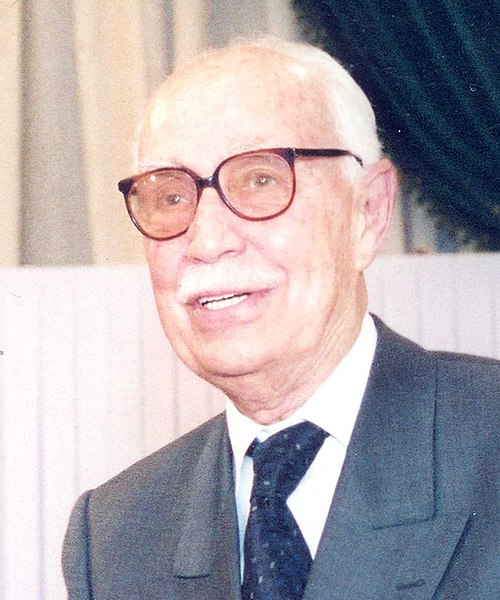
Abdelkrim Ghallab†
Novelist & Journalist
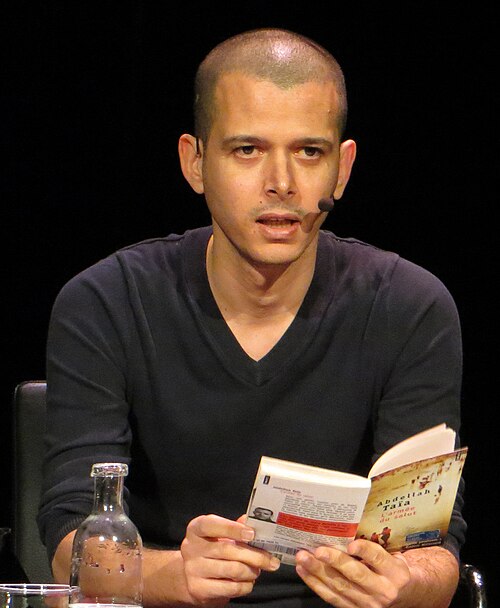
Abdellah Taïa
Novelist & Filmmaker