Biography
Introduction: The Pillar of Independence
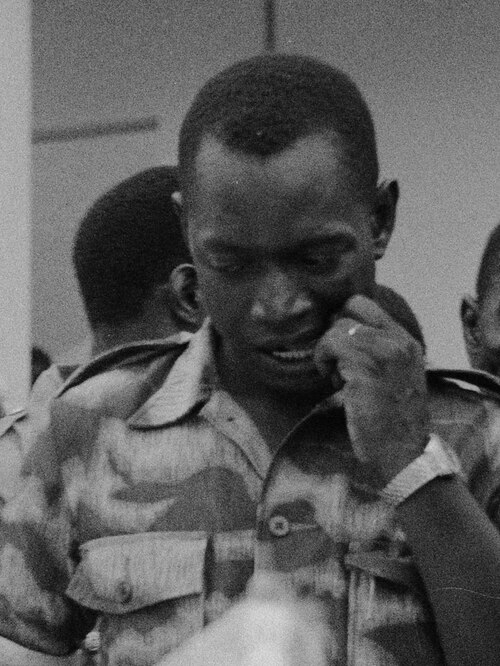
In the annals of African liberation history, the name Francisco Mendes† stands as a symbol of unwavering commitment, strategic brilliance, and ultimate sacrifice. Known affectionately as "Chico Té," Mendes was a cornerstone of the African Party for the Independence of Guinea and Cape Verde (PAIGC) and a principal architect of Guinea-Bissau's hard-fought independence from Portuguese colonial rule. His role was not merely political; he was the operational engine of the revolution, serving as the party's Secretary-General and the first Prime Minister of the newly independent state. This biography delves into the life of a man whose leadership in the Liberation Era helped forge a nation, exploring his journey from a humble village to the forefront of a struggle that reshaped West Africa. The legacy of Francisco Mendes† is etched into the very foundation of Guinea-Bissau, a testament to a life dedicated to freedom and self-determination.
Early Life & Education: Forging a Revolutionary Spirit
Francisco Mendes† was born in 1939 in the town of Enxude, in the southern region of what was then Portuguese Guinea. His early life was shaped by the harsh realities of colonial exploitation, where indigenous populations faced systemic discrimination and limited opportunities. Unlike many of his contemporaries who pursued formal education abroad, Mendes's formative years were deeply rooted in the local context, giving him an intimate understanding of the land and its people—a crucial asset in the guerrilla war to come.
He received his primary education in his homeland before moving to Bissau, the capital, where he trained and worked as a nurse. This profession placed him in direct contact with the widespread suffering and poverty inflicted by the colonial administration. It was during this period that his political consciousness crystallized. In the late 1950s, he became involved with clandestine anti-colonial movements, connecting with like-minded intellectuals and workers. His entry into the PAIGC, founded by Amílcar Cabral in 1956, marked the definitive turn in his life. Mendes quickly distinguished himself not as a theoretician, but as a pragmatic organizer, a man of action trusted with critical logistical and military responsibilities. His deep connection to the rural populace became the bedrock upon which the PAIGC built its liberated zones.
Career & Major Achievements: The Engine of the Liberation War
The career of Francisco Mendes† is inseparable from the history of the Guinea-Bissau War of Independence (1963-1974). As the armed struggle launched in 1963, Mendes's organizational prowess came to the fore. He rose rapidly through the ranks of the PAIGC, becoming a key member of the party's War Council and ultimately its Secretary-General—a position second only to Cabral himself.
Master of Logistics and Governance
While Amílcar Cabral was the charismatic diplomat and ideological guide, Francisco Mendes† was the operational chief on the ground. His major achievements were multifaceted:
- Military Logistics: He masterminded the complex supply lines that sustained PAIGC guerrilla fighters across the dense forests and mangroves of Guinea-Bissau, often sourcing and transporting arms and medicine under extreme duress.
- Administration of Liberated Zones: By the early 1970s, the PAIGC controlled over two-thirds of the country. Mendes played a central role in administering these zones, establishing schools, hospitals, and people's stores, effectively building a proto-state that demonstrated the PAIGC's capacity to govern.
- International Liaison: He was instrumental in securing vital support from sympathetic nations, facilitating the flow of aid that was crucial for the war effort.
Leadership After Cabral and the Path to Independence
The assassination of Amílcar Cabral in January 1973 was a devastating blow. In the ensuing crisis, Francisco Mendes† was a pivotal figure in maintaining unity within the PAIGC. He helped steer the party through its grief and reaffirm its strategic direction. Later that year, on September 24, 1973, the PAIGC unilaterally declared the independence of Guinea-Bissau. Francisco Mendes† was appointed as the fledgling nation's first Prime Minister, a role that recognized his indispensable contribution and his mandate to transition from war to statehood.
Tragically, his tenure was cut short. On July 7, 1978, Francisco Mendes† died in a car accident in Bissau under circumstances that have fueled speculation for decades. His sudden death robbed Guinea-Bissau of a seasoned, pragmatic leader at a critical juncture in its post-independence development.
Personal Life & Legacy: The Enduring Symbol
Despite his public stature, Francisco Mendes† was known for a personal demeanor of humility and quiet determination. He was deeply respected by comrades and civilians alike for his accessibility and his unwavering focus on the collective goal of liberation. His personal interests were largely subsumed by the revolution; his life was one of total commitment to the cause. He married and had children, but his family life was consistently disrupted by the demands of war and clandestine politics.
The legacy of Francisco Mendes† is profound and multifaceted. He is remembered as a national hero, a martyr of the independence struggle. His face adorns banknotes, and major institutions, including Bissau's international airport, bear his name. More importantly, his legacy lies in the concrete achievement of a sovereign Guinea-Bissau. He exemplified the "organic intellectual" that Cabral theorized—a leader emerging from and deeply connected to the peasantry. In the often-turbulent political landscape of post-independence Guinea-Bissau, the memory of Chico Té endures as a symbol of integrity, selfless service, and the transformative power of dedicated leadership during the Liberation Era. His story continues to inspire those who study the politics and government of West Africa and the global anti-colonial movement.
Net Worth & Historical Context
In the context of a revolutionary leader like Francisco Mendes†, the concept of "net worth" is antithetical to the values he embodied. His life was not one of financial accumulation but of sacrifice for a collective political ideal. As a key figure in a guerrilla movement and later a Prime Minister of a newly independent, impoverished nation, Mendes did not engage in personal business ventures or amass personal wealth. His "wealth" was measured in political capital, the trust of his people, and the success of a national liberation project.
The resources he managed were those of the PAIGC and the state, directed entirely toward the war effort and nation-building. Any discussion of the financial aspects of his life is therefore historical, relating to the management of revolutionary funds and state budgets rather than personal fortune. The enduring value of Francisco Mendes† lies in his ideological and practical contributions to Guinea-Bissau's sovereignty, a legacy that transcends material measure and cements his place as an immortal figure in the nation's history.
Sources: Historical accounts of the Guinea-Bissau War of Independence; PAIGC historical documents; biographies of Amílcar Cabral; academic works on Lusophone African liberation movements, such as those by Patrick Chabal. For further reading, reputable resources can be found through scholarly databases and institutions like the Encyclopædia Britannica or the AfricaBib.org repository.
Net Worth Analysis
Francisco Mendes was a revolutionary leader who died in 1978 and did not accumulate personal wealth; his legacy is political, not financial.
Frequently Asked Questions
What is Francisco Mendes†'s estimated net worth?
Net worth details for Francisco Mendes† are currently being updated.
What is Francisco Mendes†'s role and nationality?
Francisco Mendes† is a PAIGC Leader from Guinea-Bissau.
How did Francisco Mendes† make their money?
Francisco Mendes† built their fortune primarily through Francisco Mendes was a revolutionary leader who died in 1978 and did not accumulate personal wealth; his legacy is political, not financial..
How old is Francisco Mendes†?
Francisco Mendes† was born in 1939 (87 years old).
Related Personalities
Aaron Motsoaledi
LP; Minister of Home Affairs • South Africa
Abane Ramdane†
FLN Leader & Strategist • Algeria
Abdalla Hamdok
Ex-Prime Minister • Sudan
Abdallah Kigoda
Ex-Minister of Natural Resources • Tanzania