$5M
Estimated Net Worth
As of 2024 • medium confidence
Financial Breakdown
Asset Distribution
Assets vs Liabilities
Assets
Liabilities
Disclaimer: These financial estimates are based on publicly available information and should be considered approximate. Last updated: 12/29/2025
Biography
Introduction: The Unyielding Opposition Leader
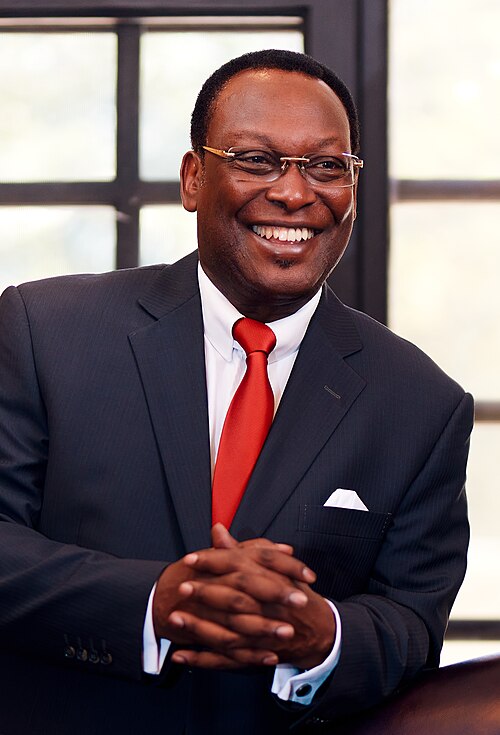
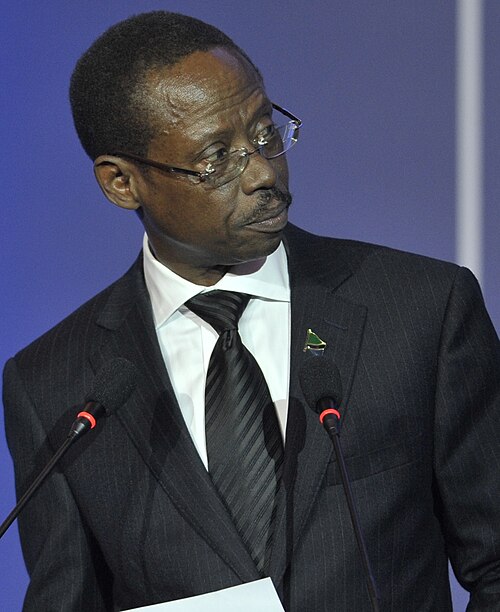
Freeman Mbowe stands as one of the most prominent and resilient figures in modern Tanzanian politics. As the long-serving National Chairman of Chadema (Chama cha Demokrasia na Maendeleo), the country's leading opposition party, Mbowe has dedicated his life to advocating for multi-party democracy, constitutional reform, and government accountability in Tanzania. His political journey is marked by both significant electoral challenges and profound personal sacrifice, including high-profile arrests and legal battles. A central figure in Politics & Government, Freeman Mbowe's career encapsulates the struggles and evolution of the opposition in a dominant-party state. His unwavering commitment, even in the face of intense pressure, has cemented his status as a symbol of democratic resistance and a key player in shaping the nation's political discourse.
Early Life & Education: Formative Years in Independent Tanzania
Freeman Aikaeli Mbowe was born in 1962 in the Tanga Region of Tanzania, just a year after the country gained independence. Growing up in the early years of the Tanzanian nation under President Julius Nyerere's Ujamaa (African socialism) policies, he witnessed the foundational stages of the state. This environment likely shaped his early understanding of governance, community, and social justice.
Mbowe pursued his higher education at the University of Dar es Salaam, the nation's premier academic institution and a historic hotbed of political thought. He graduated with a Bachelor of Commerce degree, specializing in marketing. His time at the university in the 1980s was crucial; it was a period when debates about the country's single-party system and its economic direction were intensifying. After graduation, Freeman Mbowe entered the corporate world, gaining valuable experience in the private sector. He worked for several years with the multinational company Unilever, a role that provided him with management and strategic planning skills he would later apply to political organization. This blend of academic training in commerce and practical business experience distinguished him from many career politicians and informed his approach to economic policy within his political career.
Career & Major Achievements: The Path to Opposition Leadership
Freeman Mbowe's political awakening coincided with Tanzania's transition to a multi-party system in 1992. He was among the founding members of Chadema, established in 1992, which positioned itself as a liberal, reform-oriented alternative to the long-ruling Chama Cha Mapinduzi (CCM). Mbowe quickly rose through the party ranks due to his eloquence, organizational skills, and steadfast dedication.
Rising Through the Ranks and Electoral Challenges
Mbowe's first major electoral test came in 1995 when he contested the Hai parliamentary seat on the Chadema ticket but was unsuccessful. Persistence paid off in 2000 when he won the seat, entering the National Assembly as an MP. His articulate and forceful contributions in parliament raised his national profile. In 2005, he made a bold move by contesting the presidency against the incumbent, Jakaya Kikwete. Although he secured only a small percentage of the vote, the campaign established him as a serious opposition figure. His pivotal moment came in 2014 when he was elected National Chairman of Chadema, succeeding the party's founder, Edwin Mtei. As Chairman, Freeman Mbowe revitalized the party's grassroots mobilization and became the primary face of the opposition.
The Struggle for Constitutional Reform and Political Confrontation
A defining mission of Mbowe's chairmanship has been the push for a new constitution. He was a central figure in the "Ukawa" (Coalition of the Defenders of the People's Constitution) alliance, which campaigned vigorously for a new, people-centered constitution before the 2015 elections. The government's reluctance to enact these reforms led to increased political tension. The 2020 general election, which Chadema and other opposition parties largely boycotted citing a lack of a level playing field, marked a low point in electoral participation. However, Mbowe's most severe test came in 2021. In July of that year, just hours before he was to chair a public forum demanding constitutional reform, he was arrested on terrorism-related charges. This arrest drew widespread condemnation from human rights groups and foreign diplomats, who viewed it as a politically motivated attempt to silence the opposition. After spending over seven months in pre-trial detention, the charges were unexpectedly dropped by the state in March 2022, leading to his release.
Impact and Political Strategy
Under Freeman Mbowe's leadership, Chadema has maintained its position as the most organized opposition force in mainland Tanzania. His major achievements include:
- Sustaining a viable opposition party in a challenging political environment.
- Placing issues of constitutional reform, electoral justice, and human rights at the forefront of national debate.
- Inspiring a generation of young Tanzanians to engage in political activism.
- Navigating the party through periods of intense government pressure, including the post-2020 election crackdown.
Personal Life & Legacy: The Man Behind the Politics
While much of Freeman Mbowe's public life is defined by politics, he is also a family man. He is married and has children, and his family has stood by him during his numerous legal and political ordeals. The personal cost of his career has been high, with significant time spent away from family due to campaigning, parliamentary duties, and incarceration. His interests, though often overshadowed by his political battles, are rooted in the socio-economic development of his community and country. His legacy is still being written, but it is already clear that he will be remembered as a pivotal figure in Tanzania's democratic journey. He represents the bridge between the first generation of multi-party activists and the newer, often youth-driven movements demanding change. Whether viewed as a tenacious defender of democracy or a thorn in the side of the establishment, Freeman Mbowe has indelibly shaped the landscape of opposition Politics & Government in Tanzania. His lasting impact may well be the space for dissent he has helped to preserve, however contested, for future generations.
Net Worth & Business Ventures
Unlike many politicians in the region, Freeman Mbowe is not widely known for extensive business ventures or significant personal wealth. His financial profile appears to be closely tied to his political career and his earlier professional life in the corporate sector. His known sources of income have historically included his salary as a Member of Parliament (until the opposition boycotted parliament in 2020) and his prior earnings from his tenure at Unilever. Mbowe has consistently projected an image of a leader focused on political struggle rather than commercial enterprise. There is no substantial public record or credible estimation of his net worth, and he has not been associated with major business conglomerates. This relative lack of known commercial interests has, for his supporters, bolstered his image as a leader motivated by principle rather than personal financial gain. His "wealth," in the public eye, is measured more in terms of political capital and the steadfast loyalty of his support base within Chadema and the broader opposition sphere in Tanzania.
For further reading on Freeman Mbowe and Tanzanian politics, credible sources include reports from BBC News, Human Rights Watch, and analyses from the Council on Foreign Relations.
Net Worth Analysis
Freeman Mbowe is a career politician and opposition leader in Tanzania, not a business magnate; his wealth is not publicly documented and is not on any billionaire list, suggesting a more modest net worth derived from his political career.
Quick Stats
Related People
Aaron Motsoaledi
LP; Minister of Home Affairs
Abane Ramdane†
FLN Leader & Strategist
Abdalla Hamdok
Ex-Prime Minister
Abdallah Kigoda
Ex-Minister of Natural Resources