Financial Breakdown
Asset Distribution
Assets vs Liabilities
Assets
Disclaimer: These financial estimates are based on publicly available information and should be considered approximate. Last updated: 12/30/2025
Biography
Introduction: The Defining Figure of Modern Ethiopia
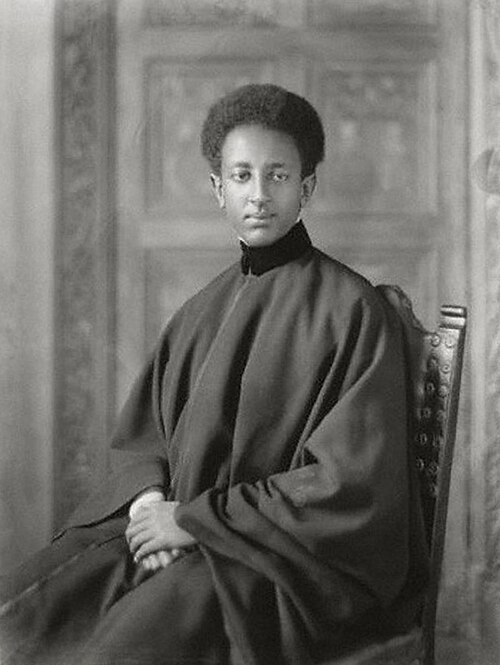
Haile Selassie I†, born Tafari Makonnen, was the last Emperor of Ethiopia, reigning from 1930 to 1974. A towering figure in 20th-century history, he is renowned for his lifelong mission to modernize Ethiopia while fiercely defending its sovereignty and ancient monarchy. His significance extends far beyond the borders of Ethiopia; he became a global symbol of African independence and dignity, most notably through his impassioned 1936 speech before the League of Nations condemning Italian fascist aggression. For the Rastafari movement, Haile Selassie I is revered as the messianic figure prophesied in the Bible, a testament to his profound spiritual and cultural impact. His reign, one of the longest in modern history, was a complex era of reform, resistance, and ultimately, revolution.
Early Life & Education: From Royalty to Regency
Haile Selassie I was born on July 23, 1892, in Ejersa Goro, Harar province, as Lij Tafari Makonnen. His father was Ras Makonnen Wolde Mikael, a trusted cousin and adviser to Emperor Menelik II. This royal lineage provided Tafari with a privileged entry into the intricate world of Ethiopian Politics & Government. He received a traditional ecclesiastical education in the Ethiopian Orthodox Christian faith, but his father, understanding the changing world, also ensured he was tutored by French missionaries, exposing him to Western languages, science, and history. This unique blend of traditional and modern education would define his worldview.
Following his father's death in 1906, the young Tafari was given the title of Dejazmach and brought to the imperial court. His intelligence and ambition were quickly recognized. After the death of Menelik II and a period of political turmoil, Tafari was named Regent and Heir to the Throne in 1916 for Empress Zewditu. During his regency (1916-1928), he effectively held power, embarking on early modernization projects and securing Ethiopia's admission to the League of Nations in 1923—a major step in asserting its sovereignty on the world stage. In 1928, he was crowned King, and two years later, upon Zewditu's death, he was proclaimed Emperor Haile Selassie I ("Power of the Trinity").
Career & Major Achievements: Modernizer and International Icon
The reign of Haile Selassie I was marked by ambitious efforts to centralize authority and drag Ethiopia into the modern era while preserving its core identity.
Domestic Reforms and Modernization
Upon his full ascension, Haile Selassie initiated sweeping reforms. He introduced Ethiopia's first written constitution in 1931, which aimed to formalize a centralized government and create a bicameral parliament (though it retained ultimate power for the Emperor of Ethiopia). His administration focused on:
- Abolishing Slavery: He aggressively continued the work of his predecessors to eradicate the centuries-old institution of slavery.
- Educational Expansion: He founded numerous schools, including the Haile Selassie I University (now Addis Ababa University) in 1950.
- Government Bureaucracy: He worked to create a professional civil service and modernized the legal and tax systems.
- Infrastructure: Development of roads, telecommunications, and aviation was prioritized to unify the vast country.
Defiance Against Fascism and Restoration
His most famous moment on the international stage came with the Second Italo-Ethiopian War. After Italy's invasion in 1935, Haile Selassie led his troops in the early battles before going into exile to plead Ethiopia's case. On June 30, 1936, he delivered a historic speech to the League of Nations in Geneva, warning that "It is us today. It will be you tomorrow." The failure of the League to act became a seminal moment in the lead-up to World War II. He spent five years in exile, chiefly in Bath, England. With the help of British and Ethiopian patriot forces, he returned to Addis Ababa in 1941 following Italy's defeat in East Africa, triumphantly restoring the sovereign Ethiopian monarchy.
Post-War Diplomacy and African Leadership
After the war, Haile Selassie I skillfully navigated Cold War Politics & Government, maintaining Ethiopian independence. He was a founding father of the Organization of African Unity (OAU) in 1963, hosting its headquarters in Addis Ababa. He positioned Ethiopia as a leader of the non-aligned movement and a vocal advocate for decolonization across Africa. However, his later reign was challenged by growing discontent over land ownership, economic inequality, and the slow pace of political liberalization, culminating in the devastating famine of the early 1970s.
Personal Life & Legacy: The Man and the Symbol
Haile Selassie was a deeply religious man, devoted to the Ethiopian Orthodox Tewahedo Church. He was married to Menen Asfaw in 1911, and they had six children. Known for his austere personal habits and love of animals (particularly dogs and lions), he presented an image of dignified reserve. His legacy is multifaceted and often contested. In Ethiopia, he is remembered as a modernizing force who defended the nation's independence, yet his government's failure to address systemic poverty and political repression led to his overthrow by the communist Derg regime in 1974. He died under house arrest on August 27, 1975, in circumstances that remain controversial.
Globally, his legacy is perhaps even more powerful. His defiance of Mussolini inspired anti-colonial movements worldwide. Most significantly, his coronation in 1930, with its majestic imagery, was seen by Jamaicans like Leonard Howell as the fulfillment of a prophecy by Marcus Garvey, giving birth to the Rastafari faith. To millions of Rastafarians, Haile Selassie I remains Jah Rastafari, a divine figure. His name and image are immortalized in reggae music, most famously by Bob Marley, ensuring his status as a global icon of African pride and spiritual liberation.
Net Worth & Royal Patrimony
As the absolute monarch of an ancient empire, Haile Selassie I controlled vast wealth, though precise figures are elusive and intertwined with state assets. The Ethiopian Crown owned extensive lands, palaces, and historic treasures. The Emperor's personal fortune was believed to be considerable, derived from state revenues, royal estates, and international investments. Following the 1974 revolution, the Derg regime nationalized all imperial property. The subsequent Ethiopian government and the exiled imperial family have been involved in long-standing disputes over the restitution of assets, including financial accounts, real estate, and priceless cultural artifacts like the Emperor's crown. While his personal net worth at its peak was estimated by some historians to be in the hundreds of millions in modern value, his true legacy lies not in monetary wealth, but in the indelible mark he left on the history of Ethiopia and the world.
For further reading on the life of Haile Selassie I, consider academic sources such as Harold G. Marcus's biography "Haile Selassie I: The Formative Years" or the resources available at the Encyclopedia Britannica. Primary documents, including his 1936 League of Nations speech, are also widely accessible online.
Frequently Asked Questions
What is Haile Selassie I†'s estimated net worth?
Net worth details for Haile Selassie I† are currently being updated.
What is Haile Selassie I†'s role and nationality?
Haile Selassie I† is a Emperor of Ethiopia from Ethiopia.
How did Haile Selassie I† make their money?
Haile Selassie I† built their fortune primarily through Haile Selassie I died in 1975; net worth calculations are not applicable for deceased historical figures..
How old is Haile Selassie I†?
Haile Selassie I† was born in 1892 (134 years old).
Which category is Haile Selassie I† listed under?
Haile Selassie I† is featured under the Politics & Government category on NetWorth Africa.
How is Haile Selassie I†'s net worth calculated?
NetWorth Africa estimates financial valuations using publicly available stock equity holdings, company ownership records, real estate assets, and verified market data.
Net Worth Analysis
Haile Selassie I died in 1975; net worth calculations are not applicable for deceased historical figures.
Quick Stats
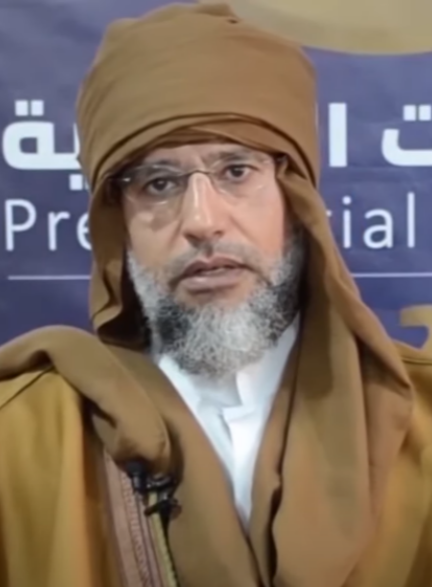
Related People
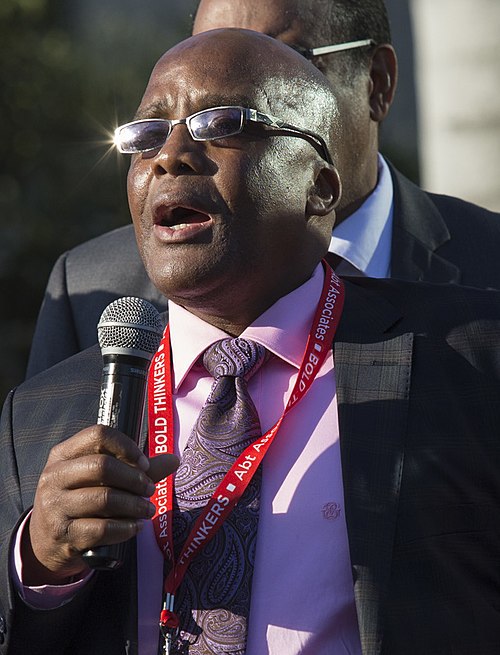
Aaron Motsoaledi
LP; Minister of Home Affairs • South Africa
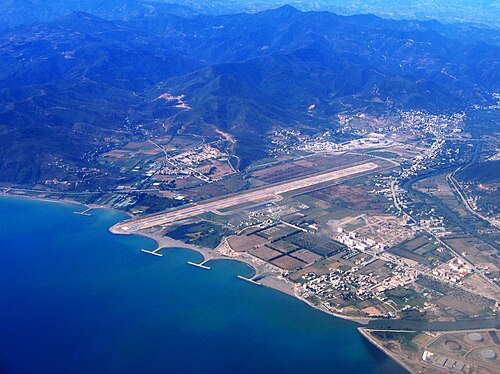
Abane Ramdane†
FLN Leader & Strategist • Algeria
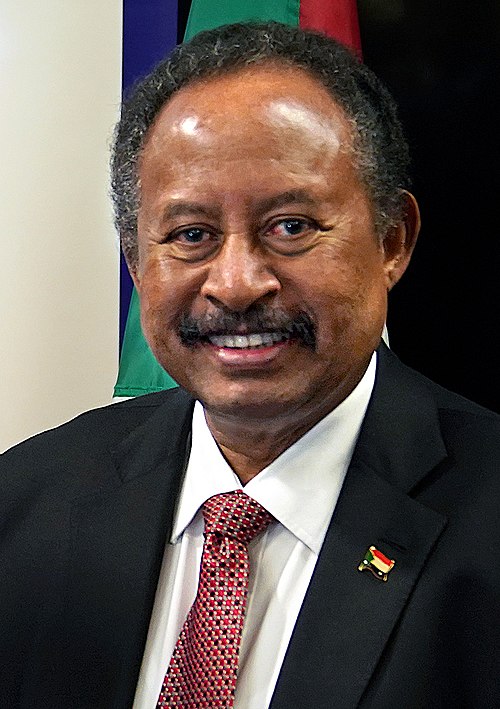
Abdalla Hamdok
Ex-Prime Minister • Sudan
Abdallah Kigoda
Ex-Minister of Natural Resources • Tanzania