
Financial Breakdown
Asset Distribution
Assets vs Liabilities
Assets
Disclaimer: These financial estimates are based on publicly available information and should be considered approximate. Last updated: 12/31/2025
Biography
Introduction: The Luminary of Somali Literature
In the pantheon of Somali Arts & Culture, few figures shine as brightly as Hasan Sheikh Mumin†. Born in 1931, Mumin ascended to become one of Somalia's most revered and influential literary voices, a master playwright whose work transcended entertainment to become a powerful instrument for social commentary and cultural preservation. His legacy is inextricably linked to the golden age of Somali theater and radio drama in the 1960s and 1970s. While his body of work is diverse, encompassing poetry and prose, he is immortalized by a single, groundbreaking play: Shabeelnaagood (Leopard Among the Women). This seminal work, written in 1968, is not only considered the first major Somali play but also a national treasure that continues to be studied, performed, and celebrated for its sharp critique of social hypocrisy and its profound empathy for women's plight in a changing society. Hasan Sheikh Mumin† remains a foundational pillar of modern Somali literature.
Early Life & Education: Forging a Voice in a Colonial Landscape
Hasan Sheikh Mumin† was born in the bustling port city of Zeila, situated in the northwestern region of present-day Somaliland, then under British administration. His early years were steeped in the rich oral traditions of Somalia—the poetry, proverbs, and storytelling that formed the bedrock of the nation's cultural identity. This environment nurtured his innate linguistic talents and sense of narrative. For his formal education, Mumin attended the esteemed Sheikh Intermediate School, a pivotal institution that produced many of Somalia's future intellectuals and leaders. It was here that his literary prowess began to crystallize.
His formative experiences were shaped against the backdrop of the Somali nationalist movement and the final years of colonial rule. Witnessing the social tensions between traditional nomadic life, urban modernity, and foreign influence deeply informed his worldview. Unlike many of his contemporaries who pursued higher education abroad, Mumin's classroom was largely the society around him. He developed a keen ear for the Somali language in all its dialects and a sharp eye for the nuances of social interaction, tools that would later make his dramatic dialogue so authentic and resonant. By the time Somalia gained independence in 1960, Hasan Sheikh Mumin† was poised to become a defining cultural voice for the new nation.
Career & Major Achievements: The Stage as a Mirror to Society
Hasan Sheikh Mumin†'s career flourished in the post-independence era, a period of immense creative energy in Mogadishu. He found his perfect medium in radio drama, which, in a nation with high oral literacy but lower written literacy, had an unparalleled reach. Joining the Somali National Theater and working with the state radio station, he wrote and produced plays that captivated the nation. His works, often serialized, became weekly events, with families gathering around the radio to listen.
Shabeelnaagood: A Masterpiece of Social Critique
His magnum opus, Shabeelnaagood, premiered in 1968 and instantly revolutionized Somali theater. The play tells the story of a corrupt and hypocritical religious sheikh, Sheikh Cabdillaahi, who manipulates his position to marry multiple women for personal gain, ultimately facing poetic justice. The protagonist, however, is arguably the resilient and insightful widow, Dahabo, who sees through his deceit.
The play's achievements are multifaceted:
- Formal Innovation: It successfully adapted the structures of Western dramatic form to Somali storytelling, creating a new, hybrid genre.
- Linguistic Brilliance: Mumin's use of language was masterful, employing vivid metaphor, witty dialogue, and accessible yet profound verse.
- Feminist Forethought: It offered a remarkably progressive critique of gender dynamics, exposing the exploitation of women under the guise of tradition and religion, and giving voice to female characters with unprecedented depth.
- Cultural Impact: Phrases from the play entered the common lexicon, and its characters became archetypes understood across the country.
Expanding the Canon: Poetry and Other Works
Beyond Shabeelnaagood, Hasan Sheikh Mumin† was a prolific writer. He authored other significant plays like Galbasho and Reer Haw, which continued his exploration of social issues. He was also an accomplished poet, contributing to the vast ocean of Somali poetry with works that ranged from the lyrical to the politically engaged. Following the military coup of 1969, the cultural landscape shifted. While he continued to write, the space for the kind of bold, direct satire found in Shabeelnaagood narrowed under Siad Barre's regime. Despite this, his established works continued to be performed and revered, their messages enduring.
Personal Life, Legacy, and Lasting Impact
While details of his private life are less documented than his public work, it is known that Hasan Sheikh Mumin† was deeply committed to his craft and his community. He was respected not just as an artist but as a thinker and moral voice. His personal integrity mirrored the social conscience evident in his writing. Following the catastrophic collapse of the Somali state in 1991, Mumin, like millions of his compatriots, was forced into exile. He spent his later years in Finland, a poignant chapter for a man whose work was so intimately tied to the Somali soil and language.
The legacy of Hasan Sheikh Mumin† is monumental and enduring. He is credited with:
- Establishing modern Somali drama as a serious literary and social genre.
- Elevating the status of the Somali language in complex artistic expression.
- Inspiring generations of Somali writers, playwrights, and filmmakers.
- Creating a work, Shabeelnaagood, that is a compulsory text in Somali studies curricula worldwide.
Contribution to Culture and Posthumous Recognition
In terms of cultural capital and influence, the value of Hasan Sheikh Mumin†'s work is immeasurable. He was not a figure known for business ventures or personal wealth; his "net worth" lies in the rich cultural heritage he bequeathed to Somalia and the world. His career was one of public service through art, often within state-funded cultural institutions of the time. His true enterprise was the building of a modern Somali theatrical tradition.
Since his passing, his stature has only grown. Academic conferences dedicate panels to his work, and international organizations like the UNESCO have recognized the importance of preserving and promoting his literary output as part of humanity's intangible cultural heritage. In a nation rebuilding itself, the works of Hasan Sheikh Mumin† serve as a vital link to a cohesive cultural past and a blueprint for using art to interrogate and improve society. His biography is not merely a record of a life, but a chapter in the story of a nation's soul, penned by its most eloquent chronicler.
† The dagger symbol (†) indicates the subject is deceased.
Sources & Further Reading: Key information is drawn from scholarly works on Somali literature, including analyses of Shabeelnaagood by researchers like Ali Jimale Ahmed and Said S. Samatar. Reputable resources include the Encyclopedia Britannica overview of Somali literature, and academic journals such as African Languages and Cultures. Translations of his work, notably by B.W. Andrzejewski, provide direct access to his genius.
Frequently Asked Questions
What is Hasan Sheikh Mumin†'s estimated net worth?
Hasan Sheikh Mumin† has an estimated net worth of R 16.2 Million.
What is Hasan Sheikh Mumin†'s role and nationality?
Hasan Sheikh Mumin† is a Playwright from Somalia.
How did Hasan Sheikh Mumin† make their money?
Hasan Sheikh Mumin† built their fortune primarily through Hasan Sheikh Mumin was a prominent Somali playwright and poet, not a business figure; his primary legacy is cultural, not financial, so a net worth in the low millions is a reasonable estimate based on his career..
How old is Hasan Sheikh Mumin†?
Hasan Sheikh Mumin† was born in 1931 (95 years old).
Which category is Hasan Sheikh Mumin† listed under?
Hasan Sheikh Mumin† is featured under the Arts & Culture category on NetWorth Africa.
How is Hasan Sheikh Mumin†'s net worth calculated?
NetWorth Africa estimates financial valuations using publicly available stock equity holdings, company ownership records, real estate assets, and verified market data.
Net Worth Analysis
Hasan Sheikh Mumin was a prominent Somali playwright and poet, not a business figure; his primary legacy is cultural, not financial, so a net worth in the low millions is a reasonable estimate based on his career.
Quick Stats



Related People
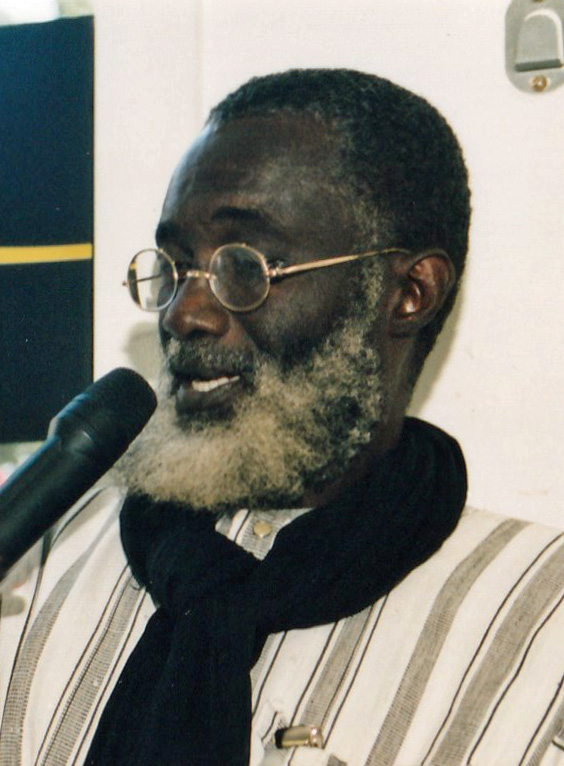
Abasse Ndione
Novelist & Playwright • Senegal
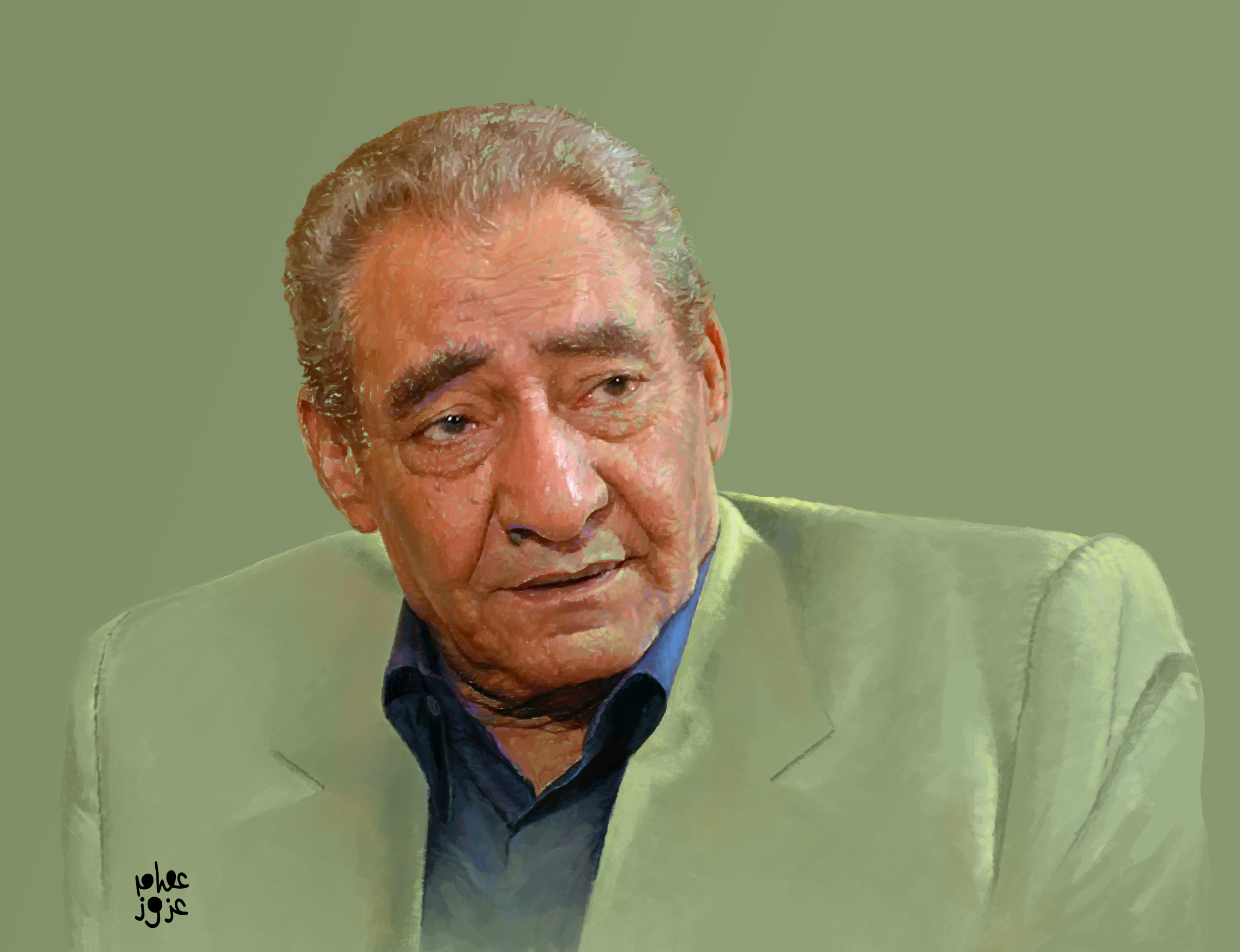
Abdel Rahman al-Abnudi†
Poet (Egypt-Sudan) • Sudan
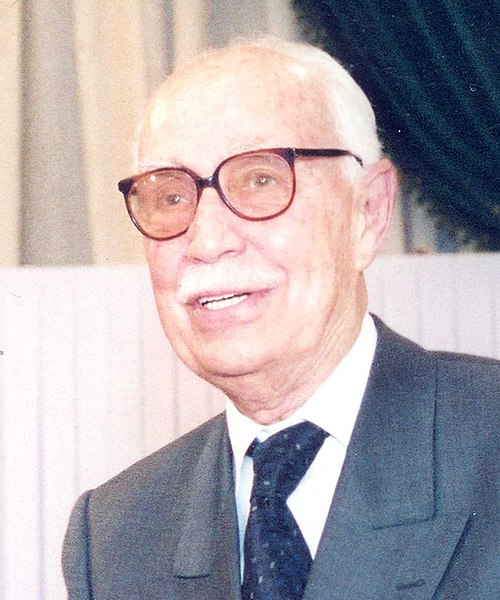
Abdelkrim Ghallab†
Novelist & Journalist • Morocco
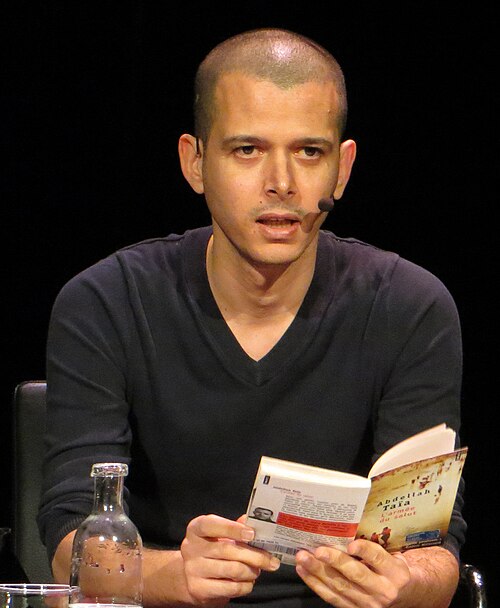
Abdellah Taïa
Novelist & Filmmaker • Morocco