$2B
Estimated Net Worth
As of 2024 • low confidence
Financial Breakdown
Asset Distribution
Assets vs Liabilities
Assets
Disclaimer: These financial estimates are based on publicly available information and should be considered approximate. Last updated: 12/30/2025
Biography
Introduction: The Architect of Modern Morocco
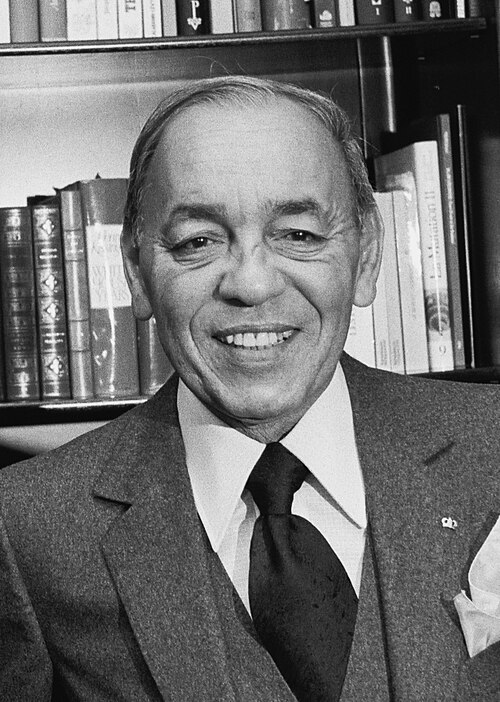
Hassan II†, born Moulay Hassan, was the King of Morocco from 1961 until his passing in 1999. As a pivotal figure in modern Politics & Government, his 38-year reign was defined by a complex blend of tradition, authoritarian control, and strategic modernization that navigated the turbulent waters of the Cold War and post-colonial Arab world. The Ex-King of Morocco is widely recognized for consolidating national unity, reclaiming Moroccan territory through the historic Green March, and positioning Morocco as a moderate, strategic player on the international stage. His rule, however, was also marked by severe political repression during the "Years of Lead," creating a multifaceted legacy that continues to shape the nation's political landscape today.
Early Life & Education: Forging a Future Monarch
Hassan II† was born on July 9, 1929, in Rabat, as the eldest son of Sultan Mohammed V and Lalla Abla bint Tahar. His upbringing was steeped in the dual traditions of the Alaouite dynasty and modern statecraft. From a young age, he was groomed for leadership, accompanying his father to official ceremonies and developing a deep understanding of his future role.
His education was comprehensive and elite. He attended the Imperial College at the Royal Palace, where he received rigorous instruction in Islamic sciences, Arabic literature, and traditional Moroccan law. To prepare him for the global stage, his father also ensured he received a modern Western education. Hassan II† studied law at the University of Bordeaux in France, earning a degree in 1951. This unique educational fusion equipped him with a worldview that balanced religious legitimacy with contemporary political pragmatism. A formative experience occurred in 1953-1955 when he was exiled alongside his family by French colonial authorities to Corsica and then Madagascar. This period of hardship solidified his bond with his father and ingrained a fierce determination for Moroccan sovereignty, which became a cornerstone of his future policies.
Career & Major Achievements: The Reign of Hassan II†
Hassan II† ascended to the throne on March 3, 1961, following the death of his revered father. He inherited a newly independent kingdom facing immense challenges: political instability, economic underdevelopment, and unresolved territorial disputes. His career as the Ex-King of Morocco was characterized by a relentless focus on strengthening the monarchy's central authority.
Consolidation of Power and the "Years of Lead"
Facing attempted military coups in 1971 and 1972, Hassan II† moved decisively to neutralize opposition. He centralized power in the throne, overseeing a period known as the "Years of Lead" (Les Années de Plomb), where political dissent was met with severe repression, including arbitrary detention, torture, and disappearances. While this era casts a long shadow, from his perspective, it was necessary to maintain stability and prevent the factionalism he saw plaguing other post-colonial states.
The Green March and National Triumph
His most celebrated achievement came in 1975. To assert Moroccan claims over the Spanish Sahara, Hassan II† masterminded the Green March. On November 6, 1975, he mobilized 350,000 unarmed Moroccan civilians, accompanied by 20,000 military personnel, to peacefully walk into the territory. This brilliant act of mass mobilization created an irreversible fact on the ground, forcing Spain to negotiate. The Madrid Accords later that year led to Spain's withdrawal and the partition of the territory between Morocco and Mauritania. This event remains a powerful symbol of national unity and a cornerstone of his popular legitimacy.
Diplomatic Maneuvering and Modernization
In foreign policy, Hassan II† was a skilled diplomat. He maintained strong ties with the West, particularly France and the United States, while also playing a leading role in the Arab and Islamic worlds. He served as Chairman of the Organization of Islamic Conference (now OIC) and was a founding member of the Arab Maghreb Union. Domestically, he initiated significant infrastructure projects, including the construction of the massive Hassan II Mosque in Casablanca—one of the world's largest mosques, completed in 1993. He also oversaw the drafting of a new constitution in 1962 and subsequent revisions, which created a veneer of parliamentary democracy while ultimately reserving supreme executive and legislative power for the monarch.
Personal Life & Legacy: The Man and the Monarch
Beyond state affairs, Hassan II† was known as a devout Muslim, a patron of the arts, and an avid golfer. He was married to Lalla Latifa Hammou and had five children, including his successor, King Mohammed VI. He authored a memoir, "La Mémoire d'un Roi" (The Memory of a King), which provides insight into his political philosophy.
The legacy of Hassan II† is profoundly complex and indelible. He is credited with:
- Preserving the territorial integrity and stability of Morocco during a volatile era.
- Elevating Morocco's international profile as a moderate, strategic ally.
- Laying the groundwork for economic modernization through major public works.
- Strengthening the institution of the Monarchy as the central, unchallengeable pillar of Moroccan Politics & Government.
Conversely, his legacy is also weighed down by the human rights abuses of the "Years of Lead." After his death, his son established the Equity and Reconciliation Commission (IER) to investigate that period, attempting to reconcile the nation with this painful chapter. Hassan II† passed away on July 23, 1999, from a heart attack. His 38-year reign fundamentally shaped modern Morocco, leaving a nation that was unified and sovereign, yet grappling with the contradictions of his authoritative rule.
Net Worth & Royal Holdings
As a reigning monarch, the personal wealth of Hassan II† was intricately tied to the holdings of the Moroccan royal family and the state. Precise figures are not publicly disclosed, but the royal family's assets are vast and diverse. These include extensive land holdings across Morocco, significant investments in various sectors of the Moroccan economy through holding companies like SNI (Société Nationale d'Investissement), and ownership of historic palaces and properties. The fortune was built over centuries by the Alaouite dynasty and was managed under King Hassan II† as both a private royal portfolio and a tool for national economic development. His reign saw the consolidation of these economic interests, which supported the monarchy's independence and patronage power. Today, these holdings continue to form one of the most significant concentrations of wealth in North Africa, now under the stewardship of his son, King Mohammed VI.
Sources & Further Reading: For verified information on Hassan II†, readers are encouraged to consult reputable historical and news archives such as Encyclopedia Britannica, official Moroccan government chronicles, and documented reports from international bodies like Amnesty International on the history of human rights in Morocco.
Net Worth Analysis
Estimates for the late King Hassan II's wealth are not officially documented, but historical reports and analyses of royal family assets in Morocco suggest a fortune in the low billions, primarily tied to land and holdings.
Quick Stats
Related People
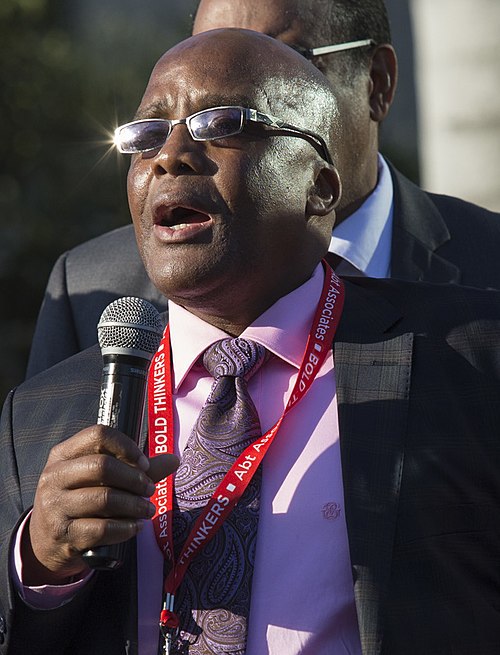
Aaron Motsoaledi
LP; Minister of Home Affairs
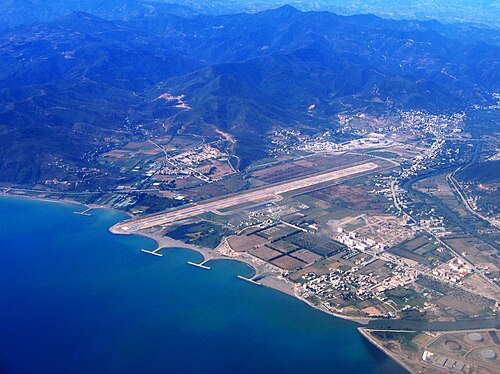
Abane Ramdane†
FLN Leader & Strategist
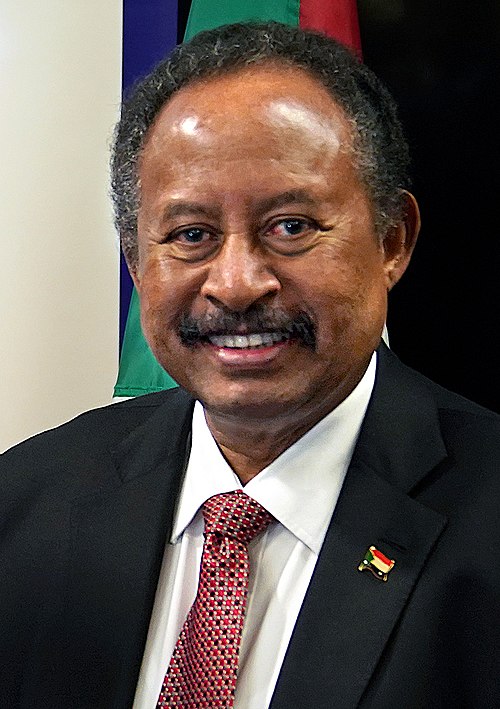
Abdalla Hamdok
Ex-Prime Minister
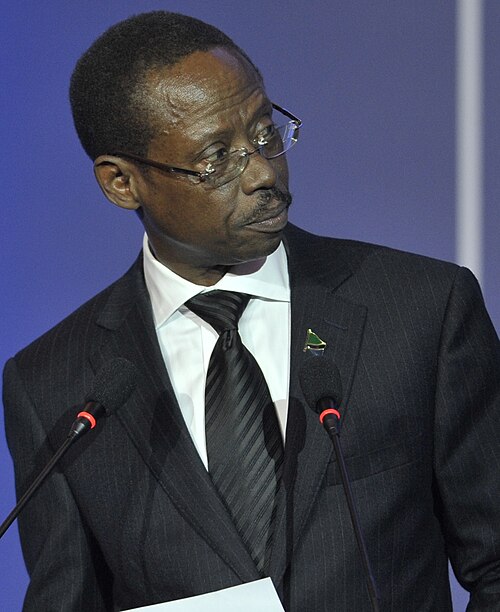
Abdallah Kigoda
Ex-Minister of Natural Resources