Biography
Introduction: A Defiant Voice for Freedom
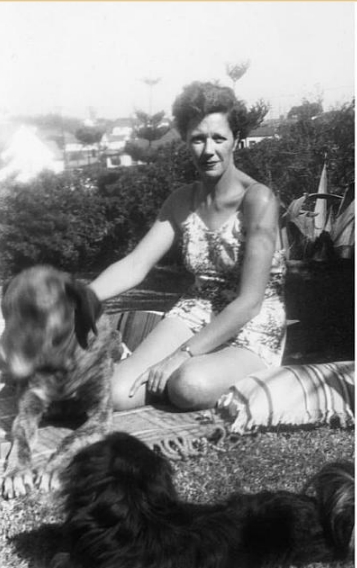
Helen Joseph† stands as one of the most courageous and pivotal figures in the history of South Africa's liberation movement. A woman of British birth who became a South African icon, her life is a profound testament to the power of conscience and cross-racial solidarity. As a White Ally & Activist, Helen Joseph defied the oppressive Apartheid regime at immense personal cost, earning the enduring respect of the nation's Black majority and the ire of its white-minority government. Her key achievements are monumental: she was a leading defendant in the historic Treason Trial (1956-1961), a founding member of the Congress of Democrats and the Federation of South African Women (FEDSAW), and the first person to be placed under house arrest under the Sabotage Act in 1962. The biography of Helen Joseph† is not just a story of political resistance in Politics & Government; it is a narrative of unwavering moral fortitude.
Early Life & Education: From Imperial Britain to South Africa
Helen Beatrice May Fennell was born on April 8, 1905, in Midhurst, Sussex, England. Her early life was shaped within the context of the British Empire. After completing her education at King's College, University of London, she worked briefly as a teacher in India, an experience that exposed her to the realities of colonial rule. In 1931, seeking new horizons, she immigrated to South Africa, where she initially worked as a social worker in Durban. This role provided her with a firsthand, unvarnished view of the profound poverty and systemic racial inequality that would later be codified into Apartheid law.
A formative shift occurred during World War II. Helen Joseph served as an information and welfare officer in the Women's Auxiliary Air Force (WAAF), where she worked alongside men and women of all races. This experience of relative equality and shared purpose starkly contrasted with the rising tide of racial segregation in South African society post-1948. Her marriage to a dentist, Billie Joseph, ended in divorce, and it was in the post-war period that her political consciousness fully crystallized. No longer content with social work alone, she began to seek more direct avenues to challenge the injustice she saw hardening around her, setting the stage for her entry into radical Politics & Government.
Career & Major Achievements: A Life of Defiance and Leadership
The victory of the National Party in 1948 and the formal implementation of Apartheid marked the beginning of Helen Joseph's† transformative journey into activism. She joined the newly formed Congress of Democrats, a white organization that allied itself with the African National Congress (ANC)-led Congress Alliance. Her administrative skills and fearless commitment quickly made her a key figure.
Architect of the Women’s March and FEDSAW
One of Helen Joseph's most enduring legacies is her central role in the Federation of South African Women (FEDSAW). As a founding member and national secretary, she worked tirelessly alongside leaders like Lilian Ngoyi, Rahima Moosa, and Sophia Williams-De Bruyn. On August 9, 1956, she helped organize and led the historic march of 20,000 women to the Union Buildings in Pretoria to protest the pass laws. This event, a watershed moment in South African history, demonstrated the power of women's resistance and established August 9th as National Women’s Day in South Africa. Helen Joseph† was instrumental in drafting the iconic petitions presented to Prime Minister J.G. Strijdom that day.
The Treason Trial and Persistent Bans
In 1956, Helen Joseph was arrested and charged with high treason alongside 155 other anti-apartheid leaders, including Nelson Mandela and Walter Sisulu. The Treason Trial dragged on for four years, during which all defendants were ultimately acquitted. However, the state was not finished with her. In 1957, she became one of the first individuals to be issued a banning order by the apartheid government. These orders, which she would live under for most of the next 30 years, severely restricted her movement, association, and speech. She was prohibited from attending gatherings, quoted in the media, or being in the presence of more than one person at a time.
Unbroken Under House Arrest
The government's persecution intensified. Following the Sharpeville Massacre and the banning of the ANC in 1960, Helen Joseph's activism continued underground. In 1962, she became the first person ever placed under house arrest under the new Sabotage Act, confined to her home every night and all weekend. Despite this, and despite repeated detentions and solitary confinement, her spirit remained unbroken. She continued to write, secretly meet with comrades, and serve as a vital link within the movement. Her memoir, If This Be Treason, published internationally, brought the cruelty of apartheid to a global audience.
Personal Life & Legacy: The Personal Cost of Principle
The personal life of Helen Joseph† was largely sacrificed on the altar of her political convictions. The constant bans, surveillance, and persecution made a conventional private life impossible. She never remarried and had no children of her own, but she was sustained by a deep network of friendships within the liberation movement and the affection of the communities she fought for. Her home in Norwood, Johannesburg, became a symbol of quiet resistance. Her interests were inextricably linked to her cause: reading, writing, and maintaining clandestine connections with fellow activists.
Helen Joseph's legacy is one of profound moral courage. She demonstrated that the fight against Apartheid was not a racial struggle but a human one, requiring the commitment of people of conscience from all backgrounds. After the unbanning of the ANC in 1990, she lived to witness the dawn of democracy. In 1992, just three years before her passing on December 25, 1995, she was awarded the ANC's highest honor, the Isitwalandwe/Seaparankoe Medal, alongside Nelson Mandela and others. Today, streets, buildings, and awards bear her name across South Africa, ensuring that the story of this English-born woman who became a South African heroine is never forgotten. Her life continues to inspire discussions on allyship, sacrifice, and the role of conscience in Politics & Government.
Net Worth & Business Ventures: A Life of Activist Austerity
It is crucial to understand that Helen Joseph† was not motivated by financial gain, nor did she accumulate wealth through her work. Her life was characterized by activist austerity. Her early careers in teaching, social work, and the WAAF were modestly paid. Once she dedicated herself fully to the anti-apartheid struggle, her income became precarious, often reliant on the support of the movement, speaking honorariums from international tours (when allowed), and later, royalties from her writings. The constant legal battles, funded by defense funds, and the restrictions of her banning orders made any traditional business venture or wealth accumulation impossible. Her "net worth" is not quantifiable in monetary terms but is immeasurable in its contribution to social justice. Her legacy is one of immense social and political capital, invested in the freedom of a nation, rather than personal financial success. Any biographical account of Helen Joseph must emphasize that her value lies in her monumental courage and sacrifice, not in material possessions.
Key Facts & Timeline
- Born: April 8, 1905, Midhurst, England.
- Immigrated to South Africa: 1931.
- Co-founded FEDSAW: 1954.
- Led Women's March: August 9, 1956 (20,000 participants).
- Arrested for Treason: 1956; acquitted in 1961.
- First banning order issued: 1957.
- First person under house arrest (Sabotage Act): 1962.
- Awarded Isitwalandwe Medal: 1992.
- Died: December 25, 1995, Johannesburg, South Africa.
For further reading on the life of this remarkable White Ally & Activist, consult authoritative sources such as the South African History Online archive, her autobiographies If This Be Treason and Side by Side, and records from the Treason Trial.
Frequently Asked Questions
What is Helen Joseph†'s estimated net worth?
Net worth details for Helen Joseph† are currently being updated.
What is Helen Joseph†'s role and nationality?
Helen Joseph† is a F; WC; White Ally & Activist from South Africa.
How did Helen Joseph† make their money?
Helen Joseph† built their fortune primarily through Helen Joseph was a prominent anti-apartheid activist, not a business figure, and she passed away in 1992. She did not accumulate personal wealth through her activism..
How old is Helen Joseph†?
Helen Joseph† was born in 1905 (121 years old).
Which category is Helen Joseph† listed under?
Helen Joseph† is featured under the Politics & Government category on NetWorth Africa.
How is Helen Joseph†'s net worth calculated?
NetWorth Africa estimates financial valuations using publicly available stock equity holdings, company ownership records, real estate assets, and verified market data.
Net Worth Analysis
Helen Joseph was a prominent anti-apartheid activist, not a business figure, and she passed away in 1992. She did not accumulate personal wealth through her activism.
Quick Stats
Related People
Aaron Motsoaledi
LP; Minister of Home Affairs • South Africa
Abane Ramdane†
FLN Leader & Strategist • Algeria
Abdalla Hamdok
Ex-Prime Minister • Sudan
Abdallah Kigoda
Ex-Minister of Natural Resources • Tanzania