Financial Breakdown
Asset Distribution
Assets vs Liabilities
Assets
Disclaimer: These financial estimates are based on publicly available information and should be considered approximate. Last updated: 12/30/2025
Biography
Introduction: The Voice of a Nation's Soul
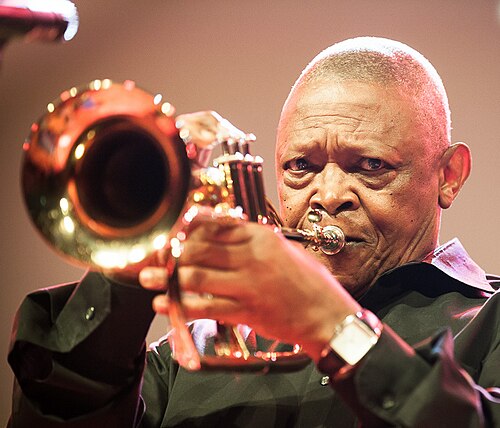
Hugh Ramapolo Masekela† was a towering figure in the world of Entertainment and a global cultural icon. Revered as a Jazz Legend & Activist, his life and music were a powerful fusion of artistry and political resistance. Born in Witbank, South Africa in 1939, Masekela's journey from the townships to international stardom is a testament to his immense talent and unyielding spirit. His most famous hit, "Grazing in the Grass" (1968), sold over 4 million copies worldwide, catapulting him to pop fame. However, his true legacy lies in using his horn as a weapon against apartheid, giving voice to the struggles and hopes of millions. Hugh Masekela† crafted a unique sound that blended American jazz, South African mbaqanga, and funk, becoming one of the continent's most celebrated and influential musicians for over six decades.
Early Life & Education: The Seeds of Sound and Struggle
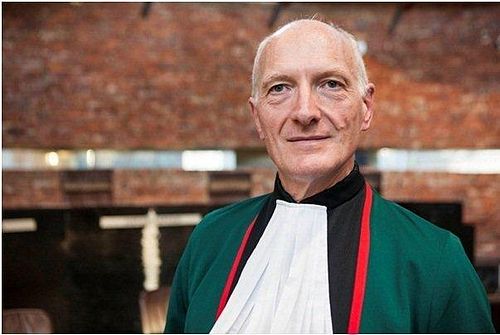
Hugh Masekela's musical awakening was deeply rooted in the complex social fabric of his homeland. Born on April 4, 1939, he was exposed to music early, beginning piano lessons at age six. A pivotal moment came at age 14 after seeing the film "Young Man with a Horn," a biography of American cornetist Bix Beiderbecke. Inspired, he received his first trumpet from Archbishop Trevor Huddleston, an anti-apartheid Anglican priest. Huddlesson's gift came with a powerful message: "This will be your weapon."
Masekela honed his skills with the Huddleston Jazz Band, South Africa's first youth orchestra. His formative years were spent immersed in the vibrant township jazz scene of Sophiatown, a cultural melting pot later destroyed by the apartheid government. This environment, where American jazz records met local marabi and kwela sounds, defined his musical DNA. The increasing brutality of apartheid, however, made artistic expression and personal safety increasingly difficult. Following the Sharpeville Massacre in 1960 and the increasing crackdown on black artists, Masekela, with the help of international benefactors including Huddleston and Harry Belafonte, left South Africa to study abroad. He enrolled at the Manhattan School of Music in New York City, graduating in 1964, thus beginning a 30-year period of exile from his native land.
Career & Major Achievements: Exile, Stardom, and Homecoming
The career of Hugh Masekela† is a sprawling narrative of exile, global success, and triumphant return. In the early 1960s New York jazz scene, he connected with giants like Dizzy Gillespie and Louis Armstrong. His 1968 instrumental single "Grazing in the Grass" became a worldwide number-one hit, defining the "Summer of Love" sound and earning him a Grammy nomination. Despite this pop success, Masekela never strayed from his roots or his political mission.
The Activist's Horn
Throughout the 1970s and 80s, Hugh Masekela† used his platform to relentlessly critique the apartheid regime. Albums like "Home Is Where the Music Is" (1972) and "I Am Not Afraid" (1974) reflected a deep, nostalgic connection to Africa. His 1977 hit "Bring Him Back Home (Nelson Mandela)" became the definitive anthem for the global Free Mandela movement. He collaborated with other exiled South African artists, most notably his wife at the time, singer Miriam Makeba, and later played a key role in the historic "Graceland" tour with Paul Simon in 1987, despite the controversy surrounding breaking the cultural boycott.
Return and Renaissance
With the release of Nelson Mandela in 1990 and the dismantling of apartheid, Hugh Masekela† finally returned to a democratic South Africa. He plunged into the nation's cultural rebirth, co-founding the Johannesburg International Jazz Festival. He continued to record and perform prolifically, earning a Grammy nomination for his 2012 album "Jabulani" and winning acclaim for his autobiographical stage musical, "Song of Migration." His later work, including the 2016 album "No Borders," showed an artist forever evolving, blending jazz with contemporary African pop. Over his career, he released over 40 albums and performed on every continent, earning countless awards and honors.
Personal Life, Philanthropy & Legacy
Hugh Masekela's personal life was as dynamic as his career. He was married four times, most notably to the legendary singer Miriam Makeba from 1964 to 1966. He was a father and a grandfather, often speaking of family as his anchor. His struggles with alcohol and drug addiction, which he overcame in the late 1990s, were openly documented, adding a layer of human vulnerability to his heroic public image.
His philanthropic efforts were focused on education and the arts in Africa. He established the Hugh Masekela Heritage Foundation, aimed at preserving African musical heritage and developing young talent. He was a mentor to generations of musicians across the continent, advocating for artistic excellence and social responsibility.
The legacy of Hugh Masekela† is immense. He passed away on January 23, 2018, after a long battle with prostate cancer, but his sound remains the soundtrack of a nation's resilience. He is remembered not just as a master musician, but as a fearless Jazz Legend & Activist who embodied the spirit of Ubuntu. His music taught the world to dance while never forgetting to fight for justice, securing his place as one of South Africa's greatest cultural exports.
Net Worth & Business Ventures
While Hugh Masekela† prioritized artistic integrity and activism over commercial gain, his successful six-decade career in Entertainment generated substantial wealth. At the time of his passing, his estimated net worth was approximately $5 million. This wealth was accrued through multiple income streams: global record sales (including the multi-platinum "Grazing in the Grass"), sold-out concert tours across the world, royalties from his extensive songwriting catalog, and licensing deals for his music in films and advertisements.
His business acumen was channeled into ventures that supported his artistic and community goals. Beyond his foundation, he was involved in various music production and publishing enterprises. Notably, his involvement in major tours like "Graceland" and his own international performances were significant commercial undertakings. Ultimately, Hugh Masekela's "business" was his life's mission: to sustain himself through his art in order to continue speaking, through his trumpet, for the people of Africa.
Key Facts & Achievements
- Birth: April 4, 1939, Witbank, South Africa.
- Death: January 23, 2018, Johannesburg, South Africa.
- Signature Hit: "Grazing in the Grass" (1968), sold over 4 million copies.
- Grammy Nominations: Multiple, including for "Grazing in the Grass" and "Jabulani."
- Exile: Lived abroad for 30 years (1960-1990) due to apartheid.
- Anthem: Wrote "Bring Him Back Home (Nelson Mandela)" in 1987.
- Discography: Released over 40 albums as a bandleader.
- Education: Graduate of the Manhattan School of Music (1964).
- Honors: Received the South African Order of Ikhamanga in Silver for his musical and activist contributions.
For further reading on the life of Hugh Masekela†, consider his autobiography Still Grazing: The Musical Journey of Hugh Masekela or visit the official website of the Hugh Masekela Heritage Foundation.
Frequently Asked Questions
What is Hugh Masekela†'s estimated net worth?
Hugh Masekela† has an estimated net worth of $5.0 Million.
What is Hugh Masekela†'s role and nationality?
Hugh Masekela† is a Jazz Legend & Activist from South Africa.
How did Hugh Masekela† make their money?
Hugh Masekela† built their fortune primarily through Hugh Masekela was a highly respected musician and activist, not a business magnate; his wealth derived from his successful music career, performances, and royalties..
How old is Hugh Masekela†?
Hugh Masekela† was born in 1939 (87 years old).
Which category is Hugh Masekela† listed under?
Hugh Masekela† is featured under the Entertainment category on NetWorth Africa.
How is Hugh Masekela†'s net worth calculated?
NetWorth Africa estimates financial valuations using publicly available stock equity holdings, company ownership records, real estate assets, and verified market data.
Net Worth Analysis
Hugh Masekela was a highly respected musician and activist, not a business magnate; his wealth derived from his successful music career, performances, and royalties.
Quick Stats

Related People

2Baba (Innocent Idibia)
Veteran Artist & Activist • Nigeria

Aar Maanta
Singer & Composer • Somalia

Abdel Aziz al-Mubarak
Oud Master • Sudan
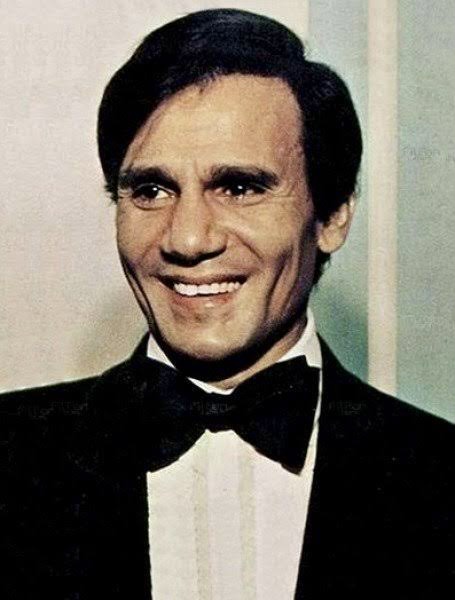
Abdel Halim Hafez†
Legend; “Nightingale”; “The Dark-Skinned Nightingale” • Egypt