$1M
Estimated Net Worth
As of 2024 • medium confidence
Financial Breakdown
Asset Distribution
Assets vs Liabilities
Assets
Disclaimer: These financial estimates are based on publicly available information and should be considered approximate. Last updated: 12/29/2025
Biography
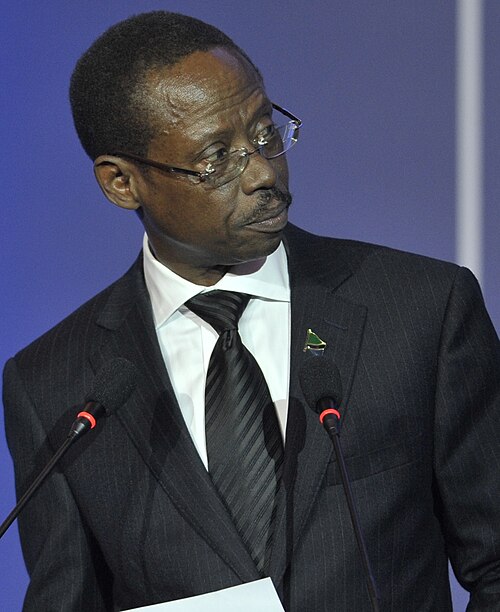
Introduction: The Pharmacist President of the Comoros
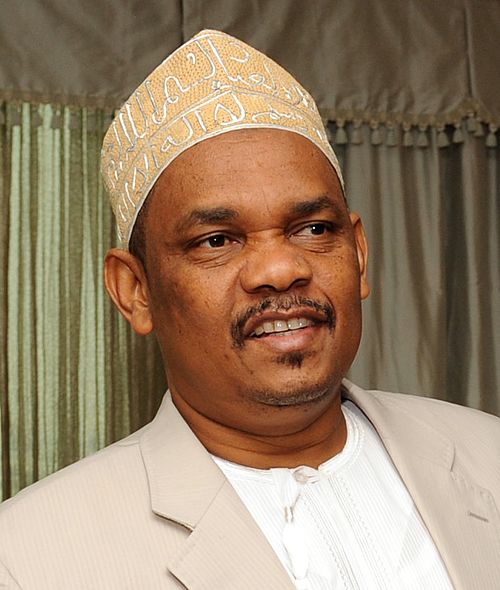
Ikililou Dhoinine stands as a significant figure in the modern political history of the Comoros, an archipelago nation in the Indian Ocean. Serving as the President of the Union of the Comoros from 2011 to 2016, Dhoinine's tenure marked a period of relative stability and constitutional continuity following a turbulent era of coups and secessionist crises. Notably, he was the first president to hail from the island of Mohéli, the smallest of the three main islands, following a power-sharing system (the "presidency rotation") established in the 2001 constitution. His key achievement was overseeing a peaceful political transition and maintaining the fragile unity of the Union. A trained pharmacist by profession, Ikililou Dhoinine brought a technocratic approach to the executive leadership of Comoros, focusing on infrastructure, economic development, and consolidating democratic processes.
Early Life and Education: From Mohéli to Madagascar
Ikililou Dhoinine was born in 1962 in the town of Djoièzi, located on the island of Mohéli. His early life was shaped within the unique cultural and social fabric of Comoros, a nation with a blend of Swahili, Arab, and French influences. From a young age, he demonstrated academic promise, which set him on a path away from the traditional agrarian livelihoods common on the islands.
His pursuit of higher education led him abroad, a common trajectory for ambitious Comorians due to limited domestic institutions at the time. Dhoinine moved to Madagascar, where he enrolled at the University of Antananarivo. There, he dedicated himself to the sciences, culminating in the completion of a degree in Pharmacy. This educational background was not typical for a future head of state in the region, distinguishing him as a professional with a specialized, scientific skill set. His formative experiences abroad exposed him to different administrative and governance models, which he would later draw upon. Before entering the political arena, Ikililou Dhoinine worked as a pharmacist, operating his own pharmacy and establishing himself as a respected professional within his community on Mohéli. This grounded, practical career provided a foundation of trust and local credibility that would prove invaluable in his subsequent political rise.
Career and Major Achievements: Rise to the Presidency
Ikililou Dhoinine's political career was closely linked to his predecessor, President Ahmed Abdallah Mohamed Sambi. He entered government as a technical expert, serving as the Minister of Finance, Budget, and Economy from 2006 to 2008. In this role, he was tasked with managing the nation's fragile economy, a position that required navigating complex international financial relationships and internal fiscal challenges.
The Path to the Presidency
In 2008, in a strategic move aligning with the constitutional rotation of the presidency to the island of Mohéli, President Sambi appointed Dhoinine as Vice President, effectively positioning him as the heir apparent for the next electoral cycle. The 2010 presidential election was a pivotal moment. Dhoinine ran as the candidate for Sambi's party, the "Baobab" coalition, facing significant opposition. The election was contentious, with allegations of fraud from opponents leading to protests and a brief military intervention to restore order. Ultimately, the Comoros Supreme Court confirmed the results: Ikililou Dhoinine won with 61.12% of the vote, and he was inaugurated on May 26, 2011.
Presidential Tenure and Key Policies (2011-2016)
President Dhoinine's administration focused on several key areas:
- Infrastructure Development: His government prioritized tangible projects, most notably the ambitious and controversial "Road of the Unity" (Route de l'Unité), a highway intended to improve connectivity on the island of Grande Comore. Other projects included improvements to ports and the electricity grid.
- Economic Management: Leveraging his finance ministry experience, he sought to attract foreign investment and manage public debt. He oversaw negotiations with international institutions like the IMF and World Bank for support programs.
- Political Stability and Unity: Maintaining the union between the islands of Grande Comore, Anjouan, and Mohéli was a constant priority. His presidency, while facing criticism, avoided the major secessionist upheavals seen in earlier decades.
- Education and Health: As a former health professional, he emphasized improvements in the healthcare sector and advocated for educational reforms.
However, his tenure was not without challenges. Critics often described his leadership style as low-key and criticized the pace of economic improvement. The "Road of the Unity" project faced allegations of financial mismanagement and environmental concerns. Furthermore, tensions with his predecessor, Sambi, emerged later in his term, complicating the political landscape. Constitutionally barred from running for a second consecutive term, Dhoinine oversaw the 2016 presidential election, which was won by Azali Assoumani, ensuring a peaceful transfer of power—a notable achievement in the Comorian context.
Personal Life, Legacy, and Lasting Impact
Ikililou Dhoinine is known to maintain a relatively private personal life, especially compared to some of his flamboyant predecessors. He is a devout Muslim, reflecting the faith of the vast majority of Comorians. He is married and has children. His professional identity as a pharmacist remained a core part of his public image, often emphasized to underscore his practical, service-oriented approach to governance.
The legacy of Ikililou Dhoinine is multifaceted. In the arena of Politics & Government, his presidency is viewed as a stabilizing chapter that respected the constitutional order of presidential rotation. He successfully completed his five-year mandate and facilitated a democratic transition, reinforcing a norm of peaceful alternation of power. For the island of Mohéli, his rise was a point of pride and symbolic representation, proving the efficacy of the power-sharing system. However, his legacy is also tempered by persistent critiques regarding governance transparency and the limited tangible improvement in the living standards for ordinary Comorians during his term. Historians and political analysts often see him as a transitional figure who consolidated the post-secessionist political system but faced significant hurdles in driving transformative economic change for the Comoros.
Net Worth and Business Ventures
Specific, verified details regarding the net worth of Ikililou Dhoinine are not publicly disclosed, which is common for many political figures from the Comoros. His known financial background stems primarily from his professional career as a pharmacist and pharmacy owner before entering full-time politics. This business venture provided his primary source of income prior to his ministerial and presidential roles. As a public servant, his income would have been derived from his official salaries as Minister of Finance and later as Vice President and President of the Union. Unlike some global leaders, there is no widespread reporting or evidence of significant business holdings or vast personal wealth accumulated during or after his presidency. His financial profile appears to be largely tied to his professional and political service rather than expansive private commercial ventures.
For further reading on the political context of his presidency, credible sources such as the Encyclopedia Britannica's entry on Comoros or reports from international bodies like the International Monetary Fund (IMF) provide useful background on the period.
Net Worth Analysis
As a former president of Comoros, a low-income country, his wealth is estimated to be in the low millions, derived from his salary and post-presidential activities, with no evidence of billionaire status or inclusion on major wealth lists.
Quick Stats
Related People
Aaron Motsoaledi
LP; Minister of Home Affairs
Abane Ramdane†
FLN Leader & Strategist
Abdalla Hamdok
Ex-Prime Minister
Abdallah Kigoda
Ex-Minister of Natural Resources