$10M
Estimated Net Worth
As of 2024 • medium confidence
Financial Breakdown
Asset Distribution
Assets vs Liabilities
Assets
Disclaimer: These financial estimates are based on publicly available information and should be considered approximate. Last updated: 12/29/2025
Biography
Introduction: The Statesman of Tanzania
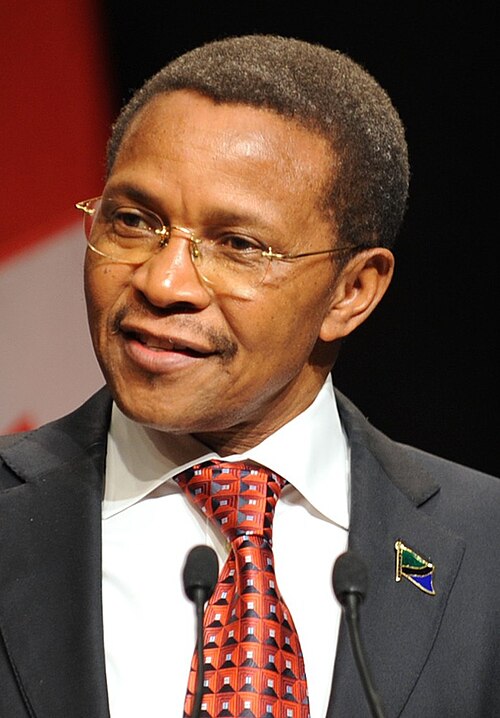
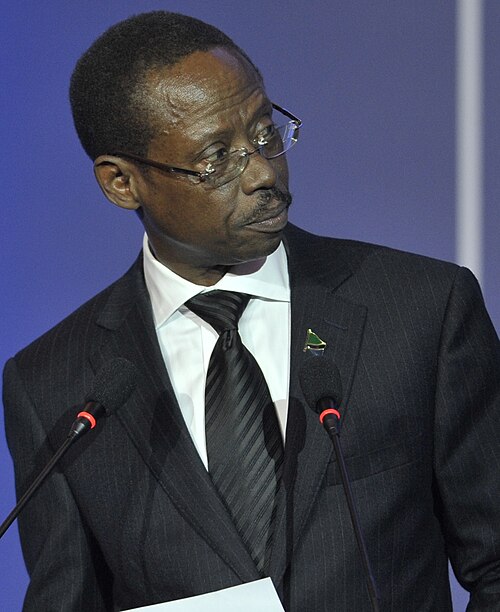
Jakaya Mrisho Kikwete stands as one of the most influential figures in modern Tanzanian and African Politics & Government. Serving as the fourth President of the United Republic of Tanzania from 2005 to 2015, Jakaya Kikwete led the nation through a decade of significant economic growth and regional integration. His tenure is widely noted for its emphasis on diplomacy, infrastructure development, and poverty reduction. Beyond his presidency, his role as the African Union (AU) High Representative for the African Union Peace Fund and his earlier position as the AU's envoy to the Great Lakes Region cemented his reputation as a skilled diplomat. As an Ex-President & AU Envoy, Kikwete's career uniquely blends Executive Presidency with high-stakes continental Diplomacy, leaving an indelible mark on Tanzania's development trajectory and its standing in Africa.
Early Life & Education: Formative Years in Coastal Tanzania
Jakaya Mrisho Kikwete was born on October 7, 1950, in Msoga, a village in the Bagamoyo District of the coastal Tanganyika region. Growing up in the early post-colonial era, his formative years were shaped by the socialist ideals of Ujamaa promoted by the nation's founding father, Julius Nyerere. This environment instilled in him a deep sense of public service and nationalism from a young age. His academic prowess was evident early on, leading him to pursue higher education at the University of Dar es Salaam.
At university, Jakaya Kikwete studied economics, graduating with a Bachelor of Arts in Economics in 1975. This educational background provided him with the analytical tools crucial for his future roles in economic planning and national governance. More importantly, his time at university was a period of political awakening. He joined the Tanganyika African National Union (TANU), which later evolved into the Chama Cha Mapinduzi (CCM), the dominant political party in Tanzania. His leadership potential was quickly recognized, setting the stage for a rapid ascent in public service immediately after graduation.
Career & Major Achievements: From Soldier to Statesman
Jakaya Kikwete's professional journey is a testament to a lifelong commitment to his nation. His career began not in politics, but in the military. Following university, he underwent military training and was commissioned as a lieutenant in the Tanzania People's Defence Force (TPDF). He served as a principal staff officer in the Tanzanian Ministry of Defence, rising to the rank of lieutenant colonel. This military discipline and understanding of security would later inform his approach to regional Diplomacy and peacekeeping.
Rise in Politics and Ministerial Tenure
Kikwete transitioned fully into politics in the 1980s. His first major political appointment came in 1988 when President Ali Hassan Mwinyi named him Deputy Minister of Energy and Minerals. His competence led to a series of high-profile ministerial portfolios over the next 17 years, making him one of the most experienced cabinet members in Tanzanian history. Key ministerial posts included:
- Minister of Energy and Minerals (1988-1990)
- Minister of Water, Energy, and Minerals (1990-1994)
- Minister of Finance (1994-1995) – where he introduced key fiscal reforms.
- Minister of Foreign Affairs and International Cooperation (1995-2005) – his longest and most defining role before the presidency.
The Presidency (2005-2015) and Post-Presidential Diplomacy
In December 2005, Jakaya Kikwete was elected President of Tanzania in a landslide victory, securing over 80% of the vote. He was re-elected for a second term in 2010. His presidency, under the CCM banner, was characterized by several key initiatives:
- Economic Growth: Tanzania's GDP grew steadily, averaging around 6-7% annually during his tenure, driven by sectors like telecommunications, banking, and mining.
- Infrastructure Development: Major investments were made in roads, railways (the Standard Gauge Railway project initiation), and the national power grid.
- Social Sectors: Significant strides were made in primary education enrollment and the fight against HIV/AIDS.
- Foreign Policy: He maintained Tanzania's tradition of non-alignment while actively engaging in regional peace processes, notably in Burundi and the Democratic Republic of Congo.
Personal Life, Philanthropy, and Legacy
Jakaya Kikwete is known for his charismatic and approachable demeanor, often referred to by his initials "JK." He is a devout Muslim who has consistently promoted religious tolerance in a nation known for its Christian-Muslim harmony. He is married to Salma Kikwete, a former nurse and a prominent advocate for maternal and child health through her "Mama Salma Kikwete" foundation. Together, they have several children.
His philanthropic focus, both during and after his presidency, has centered on education, health, and youth empowerment. The Jakaya Kikwete Foundation, established post-presidency, focuses on agricultural development, health, and education, reflecting his ongoing commitment to Tanzania's rural communities. The legacy of Jakaya Kikwete is multifaceted. He is credited with modernizing Tanzania's economy and infrastructure while preserving its political stability. As a diplomat, he enhanced Tanzania's role as a credible mediator in regional conflicts. For many, his tenure represents a period of pragmatic and open governance that connected Tanzania more deeply with the global economy while navigating the complexities of continental politics.
Net Worth and Business Ventures
As is common with many former heads of state, the precise net worth of Jakaya Kikwete is not publicly disclosed and is a subject of estimation. He has consistently stated that his wealth is derived from a lifetime of public service salary, pensions, and legitimate investments. Unlike some African leaders, Kikwete has not been associated with major business conglomerates. His post-presidential activities suggest a focus on intellectual capital and diplomacy rather than commercial enterprise. His income streams are understood to include:
- Presidential pension and benefits from the Government of Tanzania.
- Remuneration from his roles with the African Union.
- Honoraria from speaking engagements at international forums.
- Potential returns from private investments and family agricultural interests.
Net Worth Analysis
As a former president and public servant, his wealth is not comparable to business tycoons; estimates from African media typically place his net worth in the low millions, not billions.
Quick Stats
Related People
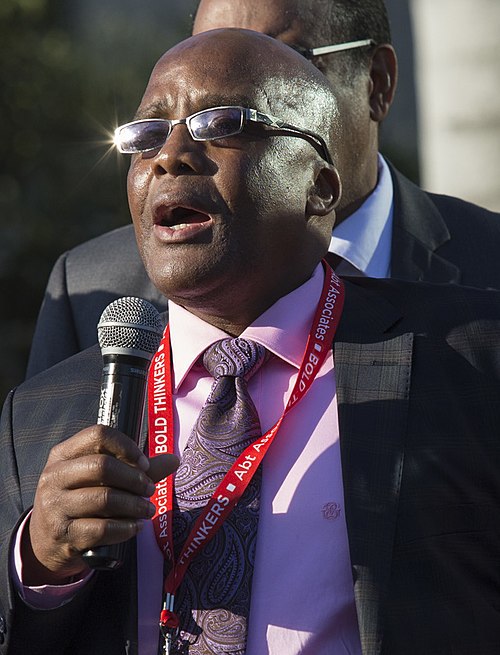
Aaron Motsoaledi
LP; Minister of Home Affairs
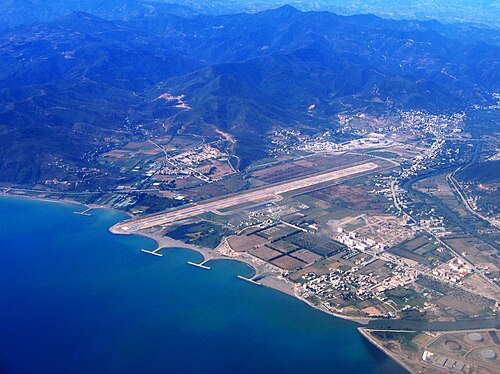
Abane Ramdane†
FLN Leader & Strategist
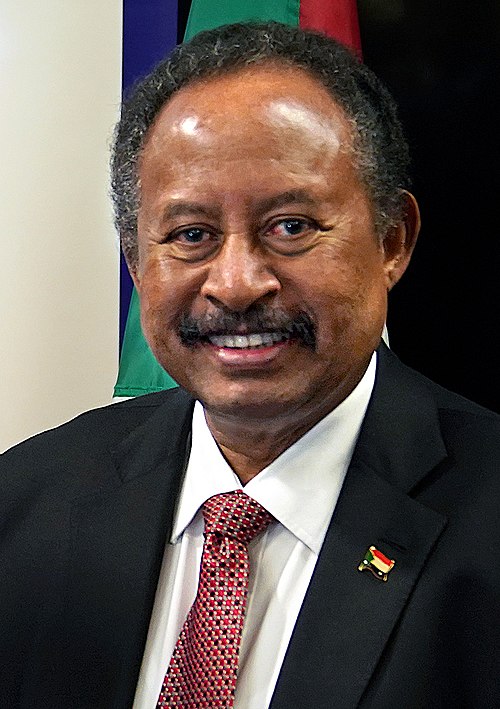
Abdalla Hamdok
Ex-Prime Minister
Abdallah Kigoda
Ex-Minister of Natural Resources