$10M
Estimated Net Worth
As of 2024 • medium confidence
Financial Breakdown
Asset Distribution
Assets vs Liabilities
Assets
Disclaimer: These financial estimates are based on publicly available information and should be considered approximate. Last updated: 12/29/2025
Biography
Introduction: A Statesman of Peace and Reconciliation
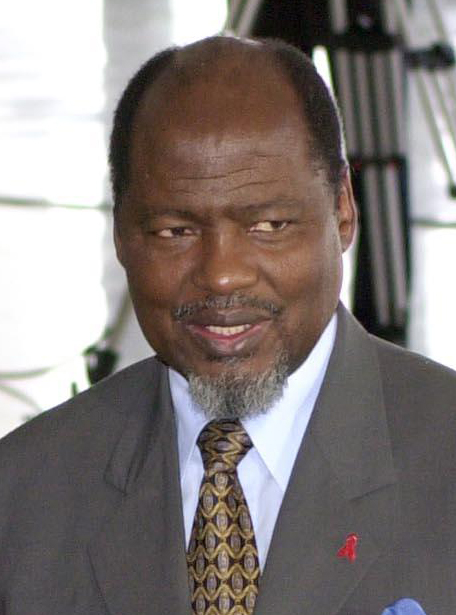
Joaquim Alberto Chissano stands as one of Africa's most respected elder statesmen, renowned for his pivotal role in steering Mozambique from a devastating 16-year civil war towards a lasting peace and multi-party democracy. Serving as the nation's second Ex-President (1986-2005), his tenure is a landmark period in the nation's history. Chissano's most celebrated achievement was his courageous decision to negotiate an end to the brutal conflict between the governing FRELIMO party and the RENAMO rebels, culminating in the 1992 Rome General Peace Accords. This masterstroke of Executive Leadership transformed a war-ravaged nation into a beacon of post-conflict recovery and democratic transition. For his efforts, Joaquim Chissano was awarded the inaugural Mo Ibrahim Prize for Achievement in African Leadership in 2007, cementing his legacy as a global symbol of wise governance and reconciliation.
Early Life & Education: The Making of a Liberation Leader
Joaquim Chissano was born on October 22, 1939, in the remote village of Malehice, Gaza Province, in southern Mozambique, then a Portuguese colony. His early education took place in his home province before he moved to the capital, Lourenço Marques (now Maputo), to attend the Liceu Salazar. A brilliant student, he was one of the few black Mozambicans to gain access to secondary education under the colonial system. It was during these formative years that his political consciousness awakened, fueled by the injustices of colonial rule.
In 1960, Chissano traveled to Portugal to study medicine at the University of Lisbon. However, his stay was short-lived. His growing involvement with anti-colonial student movements and the clandestine Frente de Libertação de Moçambique (FRELIMO) made him a target of the Portuguese secret police, PIDE. To avoid arrest, he fled to France in 1961 and later to Tanzania, where he fully immersed himself in the liberation struggle. He joined FRELIMO's headquarters in Dar es Salaam, abandoning his medical studies to dedicate his life to Mozambique's independence. His intellect and diplomatic skills were quickly recognized, leading to key roles as a security official, a instructor at FRELIMO's military training camp, and a prominent spokesperson for the movement on the international stage.
Career & Major Achievements: From Diplomat to President of Peace
Joaquim Chissano's career trajectory is inextricably linked with the birth and rebirth of the Mozambican nation. Following Mozambique's hard-won independence in 1975, he was appointed as the country's first Prime Minister by President Samora Machel, a position he held for a decade. In this role, he was instrumental in establishing the new government's administrative structures and representing the nation abroad. His deep experience in foreign affairs made him a natural choice for Minister of Foreign Affairs from 1975 to 1986, where he crafted Mozambique's non-aligned foreign policy during the Cold War.
The Presidency and the Path to Peace
Chissano's presidency began under tragic circumstances following the death of Samora Machel in a plane crash in October 1986. He inherited a nation crippled by a protracted and bloody civil war with RENAMO, economic collapse, and regional instability. Demonstrating remarkable Executive Leadership, Chissano embarked on a dual strategy: revitalizing the economy through painful structural adjustments and, most critically, seeking a political solution to the war.
In a historic and unexpected move in 1990, his government unilaterally adopted a new constitution that ended the one-party state, introduced multi-party democracy, and guaranteed fundamental freedoms. This created the framework for direct negotiations with RENAMO. The talks, mediated by the Catholic community of Sant'Egidio, culminated in the signing of the Rome General Peace Accords on October 4, 1992. Chissano's commitment to peace was further demonstrated when he appointed Afonso Dhlakama, the RENAMO leader, as his special advisor after the accord.
Democratic Consolidation and Regional Leadership
Chissano then successfully steered the country through its first multi-party elections in 1994, which he won, and again in 1999. His administration focused on:
- Demobilization and Reintegration: Overseeing the UN-led process that integrated former combatants into a new national army and civilian life.
- Economic Revival: Attracting foreign investment and fostering steady GDP growth after years of decline.
- Diplomatic Engagement: Playing a key role in the Southern African Development Community (SADC) and the African Union, advocating for peaceful conflict resolution across the continent.
In a move that set a powerful precedent for African Politics & Government, Joaquim Chissano voluntarily stepped down after two terms in 2005, despite being eligible to run again, reinforcing the democratic principles he had helped establish.
Personal Life, Philanthropy & Lasting Legacy
Outside of the political arena, Joaquim Chissano is known as a private family man, married to Marcelina Rafael Chissano. He is a practitioner of Transcendental Meditation, which he has credited with providing clarity and calm during the intense peace negotiations. His commitment to global issues extends far beyond his presidency. He has served as a United Nations Special Envoy and is a member of several prestigious international organizations, including The Elders and the Club de Madrid.
Through the Chissano Foundation, established in 2005, he focuses on promoting peace, sustainable development, and youth leadership across Africa. The foundation works on conflict prevention, democratic governance, and public health initiatives, particularly in the fight against HIV/AIDS. His legacy is multifaceted: he is the President who ended Mozambique's civil war, the democratic consolidator, and the respected international mediator. The Mo Ibrahim Foundation's recognition highlighted his exceptional governance, noting that under his leadership, Mozambique's Human Development Index improved significantly, and the country became a successful example of post-conflict reconciliation.
Net Worth & Business Ventures
As a former head of state from a developing nation, Joaquim Chissano's precise net worth is not a matter of public record and is not emphasized in discussions of his legacy, which centers on political achievement rather than personal wealth. Unlike some African leaders, Chissano is not widely associated with significant private business ventures or allegations of grand corruption. His financial recognition came notably through the Mo Ibrahim Prize, which included a $5 million award paid over ten years and a $200,000 annual stipate for life. This prize was specifically awarded for his good governance and democratic transition. Any personal wealth is likely derived from his state pension, international speaking engagements, and roles in global foundations. The focus on Joaquim Chissano remains firmly on his immense contribution to peace and stability in Mozambique and his ongoing work in conflict resolution, rather than on commercial pursuits.
This biography is compiled from reputable sources including the Mo Ibrahim Foundation, the United Nations, and historical records of Mozambican Politics & Government.
Net Worth Analysis
As a former president of Mozambique, his wealth is not publicly documented and is not on any billionaire list; estimates typically place him in the multi-millionaire range based on his career and post-presidential activities.
Quick Stats
Related People
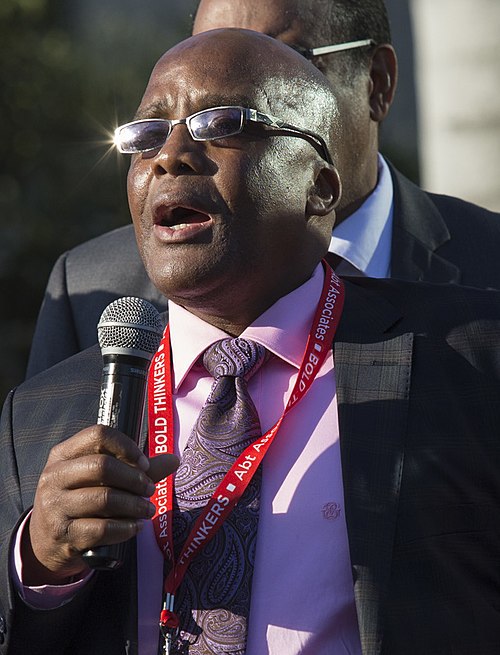
Aaron Motsoaledi
LP; Minister of Home Affairs
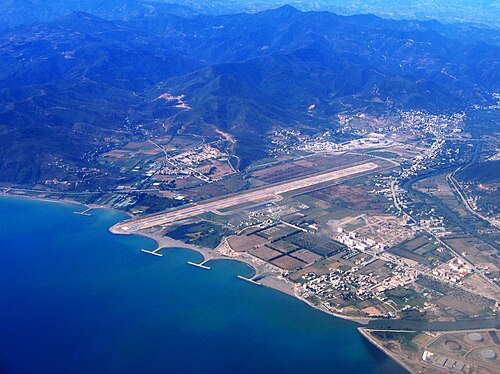
Abane Ramdane†
FLN Leader & Strategist
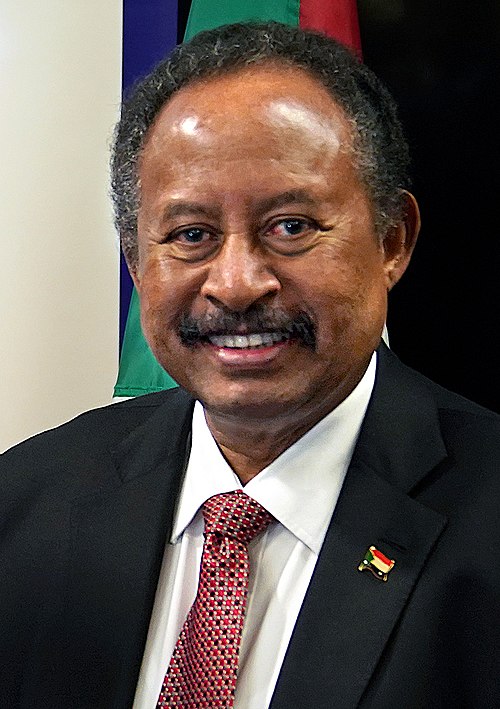
Abdalla Hamdok
Ex-Prime Minister
Abdallah Kigoda
Ex-Minister of Natural Resources