Biography
Introduction: The Voice of a Nation
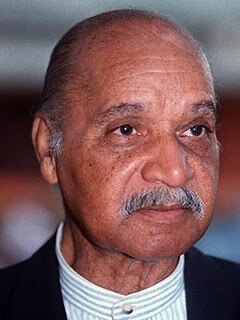
José Craveirinha† (1922-2003) stands as a monumental figure in African literature, widely revered as the National Poet of Mozambique. His life and work are inextricably linked to the struggle for Mozambican independence and the rich tapestry of its cultural identity. As a master of verse, José Craveirinha† used poetry as a weapon against Portuguese colonial oppression and as a song to celebrate the resilience and beauty of his people. His key achievement lies in being the first African writer to receive the prestigious Camões Prize in 1991, the highest literary accolade in the Portuguese language, cementing his status as a literary giant. Through collections like Chigubo and Karingana ua Karingana ("Once Upon a Time"), he forged a unique poetic language that blended Portuguese with the rhythms and imagery of Mozambican Bantu languages, creating an authentic voice for a nation yearning to be heard.
Early Life & Education: Forging Identity in Colonial Lourenço Marques
José Craveirinha was born on May 28, 1922, in what was then Lourenço Marques (now Maputo), the capital of Mozambique. His mixed-race heritage—the son of a Portuguese father and a Mozambican mother of the Ronga ethnicity—placed him in the complex social hierarchy of a colonial society, giving him a profound and intimate perspective on racial injustice and cultural fusion. This biracial identity would become a central theme in his poetry, exploring the tensions and syntheses of his dual inheritance.
His formal education was completed at the Liceu Salazar, a secondary school where he received a classical Portuguese education. However, his true education came from the streets of his city and the oral traditions of his mother's culture. He was deeply influenced by the stories, proverbs, and rhythms of Ronga folklore, which he would later masterfully weave into his written work. After school, he pursued a career in journalism, working for newspapers such as O Brado Africano ("The African Cry") and Notícias. This journalistic work exposed him to the harsh realities of colonial rule and connected him with other emerging nationalist intellectuals, shaping his political consciousness and providing a platform for his early writings.
Career & Major Achievements: From Journalism to Literary Immortality
The career of José Craveirinha† evolved from sports journalist and reporter to becoming the poetic conscience of a nation. In the 1950s and 1960s, his involvement with anti-colonial literary circles, such as the nucleus around the magazine Msaho, intensified. His poetry began to articulate a clear, militant stance against colonialism, celebrating African heroes and lamenting the suffering of his people.
Literary Mastery and Political Prison
His first major poetry collection, Chigubo (1964), is a powerful cry of resistance, its title meaning a war dance. His seminal work, Karingana ua Karingana (1974), uses the traditional opening of a story to frame poems that are both lyrical and politically charged. The political nature of his work came at a great personal cost. In 1965, suspected of links to the liberation movement FRELIMO (Mozambique Liberation Front), José Craveirinha† was arrested by the Portuguese secret police (PIDE). He endured severe torture and was imprisoned for four years, an experience that further steeled his resolve and deepened the themes of suffering and freedom in his poetry.
Post-Independence Recognition and Honors
Following Mozambique's independence in 1975, José Craveirinha† was celebrated as a national hero. His literary achievements garnered numerous international awards, culminating in the 1991 Camões Prize, a definitive recognition of his contribution to Lusophone literature. Other major honors include:
- The Lotus Prize from the Afro-Asian Writers' Association (1983)
- National Prize for Literature (1991)
- Vladimir Mayakovsky Prize (1980)
His impact on Arts & Culture extends beyond poetry; he was a mentor to younger generations of Mozambican writers and a symbol of cultural integrity. His work is studied globally as a pinnacle of African poetry in Portuguese, known for its innovative metaphors, synthesis of oral and written traditions, and unflinching commitment to human dignity.
Personal Life & Legacy: The Man Behind the Verse
Beyond his public persona as the National Poet, José Craveirinha was known as a man of great personal warmth, humility, and wit. He was a passionate fan of sports, particularly football, which he often wrote about in his early journalism. His personal life was marked by his marriage to Maria de Fátima de Sousa Craveirinha and their family. Despite the fame and accolades, he remained deeply connected to the land and people of Mozambique.
His legacy is immense and multifaceted. José Craveirinha† is remembered as:
- The foundational voice of modern Mozambican literature.
- A key figure in the African liberation literary movement.
- A cultural unifier who crafted a distinct Mozambican poetic idiom.
His poems continue to be recited, studied, and sung. Streets, cultural centers, and schools across Mozambique bear his name. He passed away on February 6, 2003, in Johannesburg, South Africa, but his words remain a living, breathing part of Mozambique's national soul, inspiring ongoing generations in the fields of Arts & Culture and beyond.
Literary Estate & Cultural Value
While discussing the net worth of a poet like José Craveirinha† in purely financial terms is challenging, his cultural and intellectual value is incalculable. His wealth lies in the enduring power of his published works, which continue to be reprinted and translated worldwide, generating royalties that support his estate. The true "business" of José Craveirinha† was the business of nation-building and cultural preservation. His ventures were poetic and journalistic, not commercial. However, the management of his literary rights, the sales of his books (such as Obra Poética), and the academic industry built around studying his work contribute to a sustained economic footprint in the literary world. His most significant assets are intangible: the copyright to a body of work that is essential to understanding Mozambique and Lusophone Africa. Institutions like the Associação dos Escritores Moçambicanos (AEMO) and the Fundação Fernando Leite Couto play roles in preserving and promoting this priceless literary heritage, ensuring that the legacy of Mozambique's National Poet continues to enrich global Arts & Culture.
For further reading on the life and work of José Craveirinha, consider academic sources and literary databases such as the Encyclopædia Britannica or the archives of the Camões Prize.
Frequently Asked Questions
What is José Craveirinha†'s estimated net worth?
Net worth details for José Craveirinha† are currently being updated.
What is José Craveirinha†'s role and nationality?
José Craveirinha† is a National Poet from Mozambique.
How did José Craveirinha† make their money?
José Craveirinha† built their fortune primarily through José Craveirinha was a poet and journalist, not a business figure; he passed away in 2003 and his legacy is cultural, not financial..
How old is José Craveirinha†?
José Craveirinha† was born in 1922 (104 years old).
Which category is José Craveirinha† listed under?
José Craveirinha† is featured under the Arts & Culture category on NetWorth Africa.
How is José Craveirinha†'s net worth calculated?
NetWorth Africa estimates financial valuations using publicly available stock equity holdings, company ownership records, real estate assets, and verified market data.
Net Worth Analysis
José Craveirinha was a poet and journalist, not a business figure; he passed away in 2003 and his legacy is cultural, not financial.
Quick Stats

Related People
Abasse Ndione
Novelist & Playwright • Senegal
Abdel Rahman al-Abnudi†
Poet (Egypt-Sudan) • Sudan
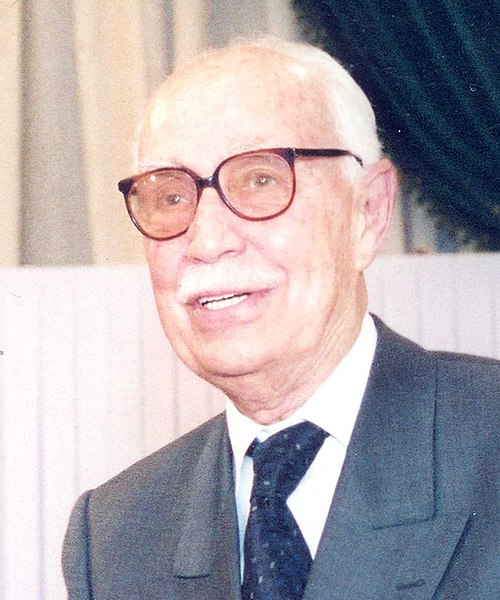
Abdelkrim Ghallab†
Novelist & Journalist • Morocco
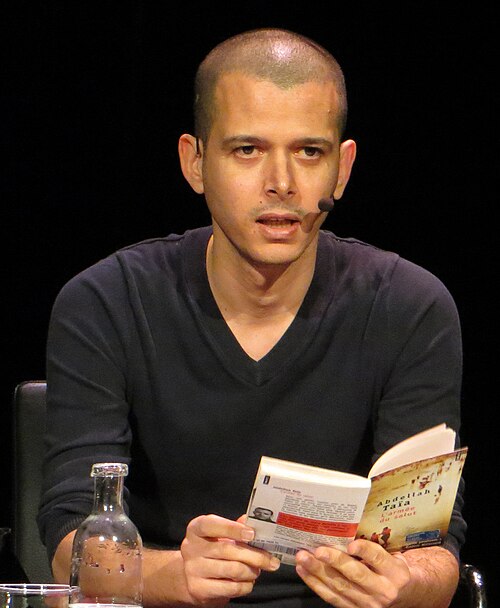
Abdellah Taïa
Novelist & Filmmaker • Morocco