Financial Breakdown
Asset Distribution
Assets vs Liabilities
Assets
Disclaimer: These financial estimates are based on publicly available information and should be considered approximate. Last updated: 12/31/2025
Biography
Introduction: The Voice of a Nation
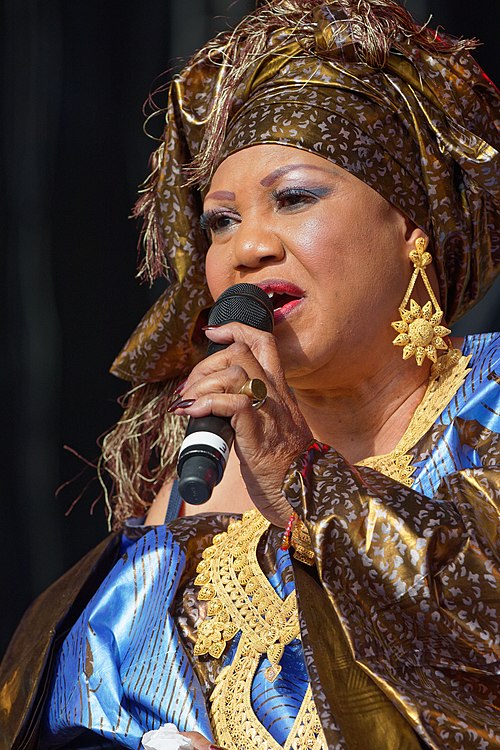
In the rich tapestry of West African Entertainment, few voices command the reverence and awe of Kandia Kouyaté. Born in 1959 in Mali, Kouyaté is not merely a singer; she is a Griot Singer (or "djéli" in Mandinka), a hereditary historian, storyteller, and praise singer whose art form dates back centuries to the Mali Empire. Hailed as "La Diva des Diva" and "La Voix du Mali" (The Voice of Mali), her profound, resonant contralto voice is considered a national treasure. Her key achievement lies in mastering and modernizing the ancient griot tradition, carrying the history and social codes of the Mande people to global stages while earning prestigious titles like "Knight of the National Order of Mali." Kandia Kouyaté's career is a testament to the power of cultural preservation through sublime musical artistry.
Early Life & Education: Born into the Griot Tradition
Kandia Kouyaté was born in 1959 in the town of Kita, a historic crossroads of Mande culture in western Mali. The Kouyaté family name is one of the most esteemed griot lineages, synonymous with musical excellence and oral history. From birth, her path was woven into the fabric of this tradition. As a child, she was immersed in the complex social and musical codes of the griot, learning not just to sing, but to memorize genealogies, historical narratives, and the subtle art of praise and diplomacy.
Her formal education in music was the family courtyard, under the tutelage of elder griots. She began performing publicly at local ceremonies—weddings, baptisms, and community gatherings—honing her craft and developing the commanding stage presence she is known for. A pivotal formative experience was her mentorship under the legendary singer Fanta Damba, another iconic Malian griot, who helped refine her technique and artistic expression. This traditional education, devoid of formal Western notation but rich in nuance and history, provided the unshakable foundation upon which Kandia Kouyaté would build her legendary career. By her late teens, her extraordinary talent was already recognized beyond Kita, setting the stage for her ascent as a national icon.
Career & Major Achievements: From Mali to the World
Kandia Kouyaté's professional career began in earnest when she moved to Mali's capital, Bamako, in the late 1970s. Her powerful voice and deep knowledge quickly made her a sought-after performer for high-profile social and political events. Her first major breakthrough came with the state-sponsored ensemble, the Instrumental Ensemble of Mali. However, it was her collaboration with the pioneering Orchestre National Badema that catapulted her to stardom. With Badema, she recorded early classics that were broadcast across the nation, cementing her status as the premier female griot voice of her generation.
International Acclaim and Landmark Albums
The 1990s marked Kandia Kouyaté's introduction to the global world music scene. Her 1999 debut international album, Kita Kan, was a monumental success. The album was produced by renowned kora player Mamadou Diabaté and brilliantly balanced traditional Mande melodies with contemporary production. It received critical acclaim worldwide, winning the prestigious "BBC Radio 3 Award for World Music" in the Africa category in 2000. This award introduced her soul-stirring voice to a vast new audience. She followed this with another powerful album, Biriko (2002), which further explored themes of heritage, love, and social duty. Her music, often accompanied by kora, balafon, and ngoni, defines the sound of Malian cultural pride.
Accolades and Cultural Impact
Kandia Kouyaté's impact is measured in both artistic influence and official recognition. Her list of major achievements is impressive:
- Winner of the BBC Radio 3 World Music Award (2000) for Kita Kan.
- Named a "Knight of the National Order of Mali," one of the country's highest honors.
- Recognized as a "Living Human Treasure" by UNESCO and the Malian government for her role in safeguarding intangible cultural heritage.
- Performed for heads of state and at major venues worldwide, from the Olympia in Paris to festivals across Europe, Africa, and North America.
Her career progression showcases a deliberate artist: she has been selective with recordings, prioritizing the depth and authenticity of each project over quantity. This selectivity has only heightened the value and impact of her work. In the Music landscape of Mali and the diaspora, she is a foundational figure, inspiring countless younger artists like Fatoumata Diawara while remaining an unwavering pillar of the traditional form.
Personal Life & Legacy: The Diva Offstage
Despite her regal public persona, those close to Kandia Kouyaté describe her as deeply humble, warm, and devoted to her family and community. She is a practicing Muslim, and her faith is an integral part of her life. As a mother, she has balanced the demands of an international career with her family responsibilities. Her personal interests remain closely tied to her cultural role; she is a master of Malian textile and fashion, often appearing in stunning, traditional Bazin robes that reflect her status and elegance.
Her philanthropic efforts are intrinsically linked to her identity as a griot. She views her entire career as an act of cultural philanthropy—preserving and promoting Mande history. She actively mentors young musicians, especially women, emphasizing the importance of knowing one's history and artistic roots. The lasting legacy of Kandia Kouyaté is multifaceted. She transformed the griot art from a primarily local, ceremonial function to a celebrated genre of world music without compromising its soul. She proved that traditional music could achieve the highest levels of international acclaim on its own terms. Today, she is revered as a cultural ambassador, a living archive of Mande history, and quite simply, one of the most magnificent voices ever to emerge from the African continent.
Net Worth & Business Ventures
While exact figures for Kandia Kouyaté's net worth are not publicly disclosed, her financial success is derived from a multifaceted career built over four decades. Her income streams include:
- Music Sales: Revenue from her critically acclaimed albums, including the award-winning Kita Kan and Biriko.
- International Performances: Commanding fees for concerts at major world music festivals and prestigious venues globally.
- Traditional Griot Services: Performing at high-profile weddings, naming ceremonies, and political events in Mali and among the West African diaspora, which are often highly lucrative for an artist of her stature.
- Cultural Honors and Grants: As a UNESCO-recognized "Living Human Treasure," she may have access to grants and stipends aimed at cultural preservation.
Unlike many contemporary artists, Kandia Kouyaté is not known for extensive commercial business ventures outside of music. Her "brand" is her lineage and her unparalleled artistry. Her primary business is the stewardship of culture, and her wealth is measured not just in financial terms, but in the immense respect and cultural capital she holds within Mali and the global world music community. Her economic model remains deeply connected to the traditional griot patronage system, modernized through the global music industry.
For further reading on the griot tradition and Malian music, refer to resources from BBC and UNESCO.
Frequently Asked Questions
What is Kandia Kouyaté's estimated net worth?
Kandia Kouyaté has an estimated net worth of $1.0 Million.
What is Kandia Kouyaté's role and nationality?
Kandia Kouyaté is a Griot Singer from Mali.
How did Kandia Kouyaté make their money?
Kandia Kouyaté built their fortune primarily through As a highly respected traditional griot singer from Mali, her wealth is derived from performances, recordings, and cultural prestige, not corporate holdings, placing her in the millionaire range, not on billionaire lists..
How old is Kandia Kouyaté?
Kandia Kouyaté was born in 1959 (67 years old).
Which category is Kandia Kouyaté listed under?
Kandia Kouyaté is featured under the Entertainment category on NetWorth Africa.
How is Kandia Kouyaté's net worth calculated?
NetWorth Africa estimates financial valuations using publicly available stock equity holdings, company ownership records, real estate assets, and verified market data.
Net Worth Analysis
As a highly respected traditional griot singer from Mali, her wealth is derived from performances, recordings, and cultural prestige, not corporate holdings, placing her in the millionaire range, not on billionaire lists.
Quick Stats

Related People

2Baba (Innocent Idibia)
Veteran Artist & Activist • Nigeria

Aar Maanta
Singer & Composer • Somalia

Abdel Aziz al-Mubarak
Oud Master • Sudan
Abdel Halim Hafez†
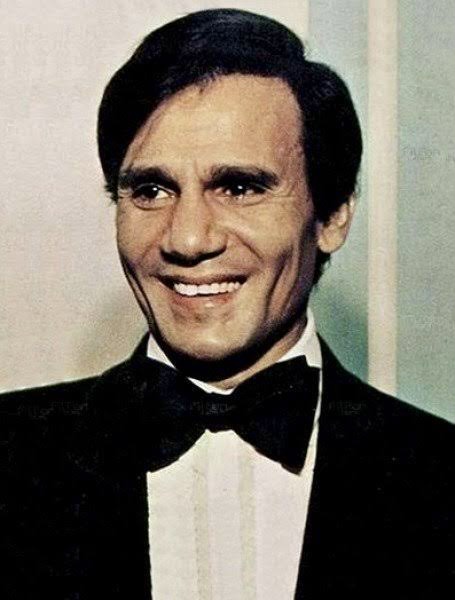
Legend; “Nightingale”; “The Dark-Skinned Nightingale” • Egypt