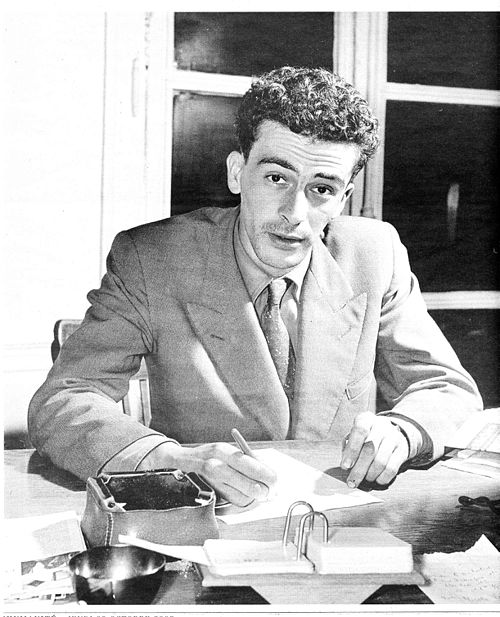
Biography
Introduction: A Pillar of Algerian Literature
Kateb Yacine† stands as one of the most formidable and influential literary figures to emerge from Algeria and the Francophone world in the 20th century. A master of both poetry and drama, his work is a profound, often explosive, exploration of Algerian identity, colonial oppression, and the relentless search for freedom. More than just a playwright & poet, Kateb Yacine was a revolutionary artist who wielded his pen as a weapon of resistance and cultural reclamation. His significance transcends the page and stage, cementing his role as a national icon and a pivotal figure in post-colonial Arts & Culture. His most celebrated novel, "Nedjma" (1956), is widely regarded as a cornerstone of modern Maghrebian literature, a complex and poetic masterpiece that captures the fractured soul of a nation in turmoil. The life and work of Kateb Yacine† remain essential to understanding the literary and political landscape of modern Algeria.
Early Life & Education: Forged in the Fires of Colonialism
Kateb Yacine was born on August 2, 1929, in Constantine, Algeria, into a family of Berber origin with a strong tradition of scholarship. His early education was a product of the French colonial system, but it was a brutal personal tragedy that irrevocably shaped his political consciousness. At the age of 16, in May 1945, he participated in the nationalist demonstrations in Sétif and Guelma. The French army's violent suppression of these protests, which resulted in tens of thousands of Algerian deaths, was a watershed moment. Yacine was arrested and imprisoned for two months, an experience that ignited a lifelong commitment to the anti-colonial struggle.
His formal education was disrupted, but his literary talent was already evident. He published his first collection of poetry, "Soliloquies", in 1946. A scholarship allowed him to travel to Paris in 1947, where he immersed himself in intellectual circles and began writing for communist newspapers. This period exposed him to global revolutionary thought and solidified his belief in art's political function. The formative experiences of colonial violence and diasporic intellectualism fused within him, creating the unique, incendiary voice that would define his career. By his early twenties, Kateb Yacine† was already dedicated to crafting a new literary language for Algeria—one that could articulate its history, pain, and aspirations.
Career & Major Achievements: From "Nedjma" to Revolutionary Theatre
The career of Kateb Yacine† can be divided into two major, interconnected phases: his groundbreaking work as a novelist and poet, and his radical turn toward popular, politically-engaged theatre.
The Literary Earthquake: "Nedjma" and Poetic Innovation
In 1956, amidst the escalating Algerian War of Independence, Yacine published his magnum opus, "Nedjma". The novel was an instant sensation and a literary revolution. Its non-linear narrative, poetic density, and symbolic depth (Nedjma, meaning "star," represents the elusive ideal of the Algerian nation) broke from traditional French novelistic forms. It wove together the stories of four men and the enigmatic Nedjma against a backdrop of myth, history, and colonial conflict. "Nedjma" announced the arrival of a major new voice in world literature and established Kateb Yacine† as the leading literary chronicler of the Algerian condition.
The Theatrical Turn: Art for the People
Following Algeria's independence in 1962, Yacine grew disillusioned with the new government's cultural policies and the elite nature of literary publishing. He made a decisive shift toward theatre, believing it to be the most direct and powerful medium to reach the masses. In 1971, he founded the action-oriented "Théâtre de la Mer" and later worked extensively with the "Théâtre de l'Usine" in Sidi Bel Abbès.
His plays were performed in factories, schools, and public squares across Algeria and beyond, often in vernacular Algerian Arabic, to ensure accessibility. His most famous plays include:
- "Le Cadavre Encerclé" (The Encircled Corpse, 1954): An early play addressing the Sétif massacre.
- "Les Ancêtres Redoublent de Férocité" (The Ancestors Redouble Their Ferocity, 1967).
- "La Voix des Femmes" (The Voice of Women, 1972).
- "Mohammed, prends ta valise" (Mohammed, Pack Your Suitcase, 1971): A searing critique of the exploitation of Algerian immigrant workers in France.
This body of work cemented his reputation as a playwright & poet of the people, using drama as a tool for education, critique, and preserving collective memory.
Recognition and Impact
Despite periods of tension with authorities, Yacine's stature was undeniable. He received international acclaim, including the Prix de l'Afrique Méditerranéenne and the Grand Prix National des Lettres in France. His influence on generations of Algerian and Maghreb writers is immeasurable. He demonstrated that literary innovation and radical political commitment could be fused into a potent, transformative art form.
Personal Life, Legacy, and Lasting Impact
Kateb Yacine was known for his charismatic, rebellious personality and unwavering principles. He spent significant periods living in France, Vietnam, and other countries, but Algeria remained the central subject of his work. His personal life was marked by his deep commitment to his craft and his causes. In his later years, he continued to write and speak passionately, even as his health declined.
The legacy of Kateb Yacine† is monumental. He is celebrated as the father of modern Algerian literature and a pioneer of post-colonial theatre. His decision to write for the theatre in spoken Algerian Arabic was a radical act of linguistic decolonization. Today, his works are studied globally, and his ideas about art, language, and resistance remain profoundly relevant. Institutions, cultural centers, and schools across Algeria bear his name. More than three decades after his death on October 28, 1989, in Grenoble, France, his voice continues to resonate, challenging new generations to engage with their history and identity through the power of art. His body was repatriated to Algeria, where he is buried in the El Alia cemetery in Algiers, a final testament to his inseparable bond with his homeland.
Net Worth & Literary Estate
As with many literary figures whose primary focus was artistic and political impact rather than commercial gain, quantifying the net worth of Kateb Yacine† in modern terms is challenging. His wealth was not monetary but cultural and intellectual. He lived modestly, dedicating his resources to his theatrical troupes and literary production. His financial success was secondary to his mission of cultural awakening.
However, the value of his literary estate is immense. The ongoing publication, translation, and academic study of his works—including "Nedjma," his poetry collections, and plays—generate royalties that support his estate. His works are considered national treasures in Algeria, ensuring their continued presence in curricula and public life. The true "business" of Kateb Yacine was the business of revolution and cultural memory, an enterprise whose dividends are paid in the enduring influence he holds over Arts & Culture in Algeria and the wider Francophone world. His legacy is managed by his heirs and cultural institutions, ensuring that his revolutionary voice remains accessible to all.
Sources and further reading on the life and work of Kateb Yacine† can be found through academic databases and publications dedicated to Algerian and Francophone Literature, as well as cultural institutions like the Bibliothèque nationale de France and Algerian national archives.
Net Worth Analysis
Kateb Yacine was a renowned literary figure, not a businessperson, and died in 1989, so he has no personal net worth in 2024.
Quick Stats
Related People
Abasse Ndione
Novelist & Playwright
Abdel Rahman al-Abnudi†
Poet (Egypt-Sudan)
Abdelkrim Ghallab†
Novelist & Journalist
Abdellah Taïa
Novelist & Filmmaker