Financial Breakdown
Asset Distribution
Assets vs Liabilities
Assets
Disclaimer: These financial estimates are based on publicly available information and should be considered approximate. Last updated: 12/30/2025
Biography
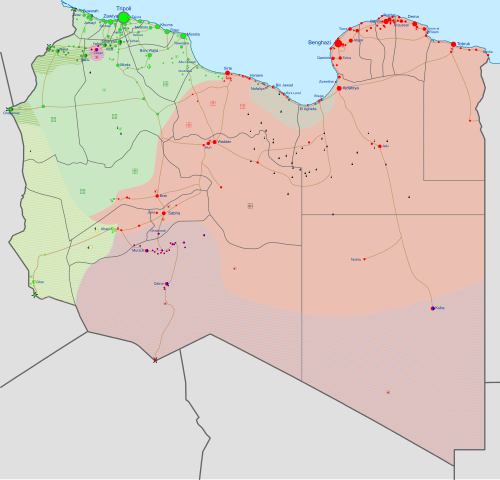
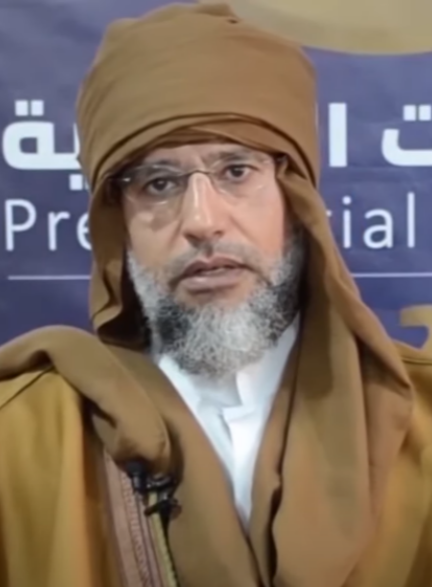
Khalifa al-Ghwell is a prominent and controversial Libyan figure whose career has spanned military command and high political office during one of the nation's most chaotic periods. Born in 1956, he rose to international prominence as the Prime Minister of the Government of National Salvation (GNS) in Tripoli, a position he held from 2015 to 2016 and briefly reclaimed in 2017. His tenure was defined by the intense political fragmentation that followed the 2011 revolution, as he led an administration that rivaled the internationally recognized Government of National Accord (GNA). As an Ex-Military Commander with deep roots in the Gaddafi era before becoming a revolutionary, al-Ghwell's journey encapsulates the complex alliances and conflicts within modern Libyan defense and executive cabinet structures. His key achievement, albeit a contested one, was maintaining a parallel government in the capital, Tripoli, challenging UN-backed political processes and becoming a symbol of the entrenched divisions within the country.
Early Life & Education
Khalifa al-Ghwell was born in 1956 in Libya, though specific details about his early childhood and hometown are not widely publicized, a common theme for many officials from his generation. His formative years were spent during the monarchy of King Idris and the early period of Muammar Gaddafi's rule, which began in 1969. This environment shaped his initial career path toward military and public service within the existing structures of the state.
Al-Ghwell pursued higher education, earning a degree in law, which provided the foundational credentials for his later administrative roles. His professional life began within the sprawling bureaucracy of the Gaddafi government. For decades, Khalifa al-Ghwell served in various managerial and directorial positions, most notably within the Audit Bureau (Diwan al-Muhasaba). This institution was responsible for overseeing state finances and auditing public sector entities. His long tenure here, which lasted until the 2011 uprising, gave him an intricate understanding of the Libyan state's financial mechanisms and bureaucratic networks. This experience in a key oversight body, rather than a frontline military role initially, positioned him as an administrator with significant insider knowledge of the regime's operations.
The 2011 Libyan Civil War was a definitive turning point. Like many officials, Khalifa al-Ghwell defected from the Gaddafi government, aligning himself with the revolutionary forces. This shift was crucial for his later political legitimacy in post-Gaddafi Libya. His background as a former regime insider who joined the revolution became a dual-edged sword—providing administrative experience while also attracting scrutiny about his past allegiances.
Career & Major Achievements
The career of Khalifa al-Ghwell is a roadmap through Libya's fractured political landscape post-2011. His ascent was not through electoral politics but through appointment within the complex, militia-influenced power structures of Tripoli.
Rise in the Post-Revolution Political Sphere
Following the revolution, al-Ghwell emerged as a political figure in the capital. He was appointed as the Deputy Prime Minister in the government of Prime Minister Omar al-Hassi in 2014. This administration was based in Tripoli and opposed the internationally recognized House of Representatives (HoR) government based in Tobruk. The country was effectively split in two, with rival parliaments and governments. When al-Hassi's government was dissolved in 2015 by the Tripoli-based General National Congress (GNC), Khalifa al-Ghwell was appointed as the new Prime Minister of the Government of National Salvation (GNS) on October 1, 2015.
Tenure as Prime Minister of the GNS
His primary achievement was the very maintenance of the GNS as a functioning, albeit contested, authority in western Libya. As Ex-Prime Minister GNS, al-Ghwell presided over a cabinet that controlled ministries in Tripoli, competing directly with the UN-brokered Government of National Accord (GNA) led by Fayez al-Sarraj, which began arriving in Tripoli in early 2016. For several months, Libya had two prime ministers in the same city. Al-Ghwell's government was backed by hardline factions and militias opposed to the UN deal. His administration's major impact was its role in obstructing the consolidation of the GNA, contributing to the prolonged political stalemate. In a dramatic turn in April 2016, militias loyal to the GNA forced al-Ghwell to flee his office at the Rixos Hotel, effectively ending his first term. However, in a bold move in March 2017, he briefly reclaimed the prime minister's office, declaring the GNA illegitimate. This takeover lasted only days before pro-GNA forces again ejected him, but it underscored the persistent volatility.
Role as a Military Commander
While his title as Ex-Military Commander is often cited, al-Ghwell's military role was deeply intertwined with his political position. He did not command a national army but rather relied on the allegiance of various militias in and around Tripoli that supported the GNC/GNS political bloc. His authority stemmed from these alliances, making him a key node in the network of militia politics that defines Libyan defense and security. His commands were less about traditional military hierarchy and more about political and financial patronage within the armed groups controlling the capital.
Later Political Maneuvers
Even after his removal, Khalifa al-Ghwell remained a vocal political actor. He continued to criticize subsequent governments and positioned himself as a figure opposing foreign influence and the UN-led political process. His continued public statements and political alliances demonstrate his enduring, though diminished, influence within certain factions in Tripoli's complex political scene.
Personal Life & Legacy
Details about the personal life of Khalifa al-Ghwell are kept private, consistent with many Libyan figures of his era. His public image is squarely that of a political operator and bureaucrat-turned-warlord. There are no widely reported significant philanthropic endeavors or personal business interests separate from his political activities. His legacy is intrinsically tied to the chaos of post-Gaddafi Libya.
Khalifa al-Ghwell will be remembered as a central figure in Libya's political division. He embodies the era of dual governments and the failure of early UN mediation efforts to unify the country. To his supporters, he was a prime minister standing against foreign-imposed governments and defending the legitimacy of the elected GNC. To his detractors, both domestic and international, he was an obstacle to peace, a spoiler who used militia force to cling to power and undermine national stability. His career highlights a critical theme in modern Libyan Politics & Government: the dissolution of centralized state authority and its replacement by fragmented, localized power bases where political title and military force are inseparable. His lasting impact is as a case study in how figures from the old regime navigated and sustained influence in the new, disordered Libya.
Net Worth & Business Ventures
There is no verifiable or publicly disclosed information regarding the net worth of Khalifa al-Ghwell. His financial standing remains opaque, as is common with many Libyan officials involved in the turbulent post-2011 period. His primary career was spent as a public servant and state bureaucrat within the Gaddafi government's Audit Bureau, a role that would have provided a stable income but not typically immense personal wealth on its own. However, the period following the revolution, marked by weak state institutions and contested control over financial resources, created opportunities for those in power to access state funds. As the head of the rival GNS government in Tripoli, Khalifa al-Ghwell would have had significant influence over the disbursement of public money under his administration's control, including payments to the militias that provided security. Any business interests or personal wealth accumulation are not documented in credible public sources, and allegations regarding finances remain part of the speculative discourse surrounding many actors in Libya's conflict.
Key Facts & Timeline
- 1956: Born in Libya.
- Pre-2011: Served in various directorial roles within the Gaddafi-era Audit Bureau.
- 2011: Defected from the Gaddafi regime during the Libyan Revolution.
- 2014: Appointed Deputy Prime Minister under Omar al-Hassi's Tripoli-based government.
- October 1, 2015: Appointed Prime Minister of the Government of National Salvation (GNS).
- April 2016: Ousted from office by militias aligned with the UN-backed Government of National Accord (GNA).
- March 2017: Briefly reclaimed the prime minister's office in Tripoli before being ejected again.
- Post-2017: Remained an active political commentator and critic of subsequent Libyan governments.
Frequently Asked Questions
What is Khalifa al-Ghwell's estimated net worth?
Khalifa al-Ghwell has an estimated net worth of $50.0 Million.
What is Khalifa al-Ghwell's role and nationality?
Khalifa al-Ghwell is a Ex-Military Commander; Ex-Prime Minister; Ex-Prime Minister GNS from Libya.
How did Khalifa al-Ghwell make their money?
Khalifa al-Ghwell built their fortune primarily through As a former military commander and political figure in Libya's turbulent post-Gaddafi era, his wealth is likely derived from political and military influence rather than public business holdings, and he is not listed on any international billionaire rankings..
How old is Khalifa al-Ghwell?
Khalifa al-Ghwell was born in 1956 (70 years old).
Which category is Khalifa al-Ghwell listed under?
Khalifa al-Ghwell is featured under the Politics & Government category on NetWorth Africa.
How is Khalifa al-Ghwell's net worth calculated?
NetWorth Africa estimates financial valuations using publicly available stock equity holdings, company ownership records, real estate assets, and verified market data.
Net Worth Analysis
As a former military commander and political figure in Libya's turbulent post-Gaddafi era, his wealth is likely derived from political and military influence rather than public business holdings, and he is not listed on any international billionaire rankings.
Quick Stats
Related People
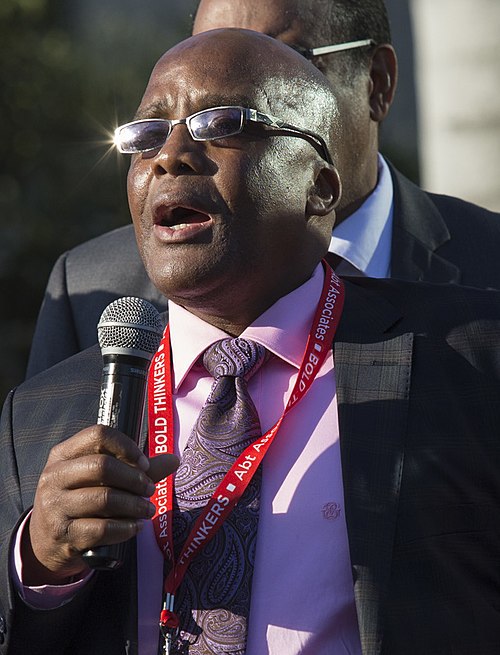
Aaron Motsoaledi
LP; Minister of Home Affairs • South Africa
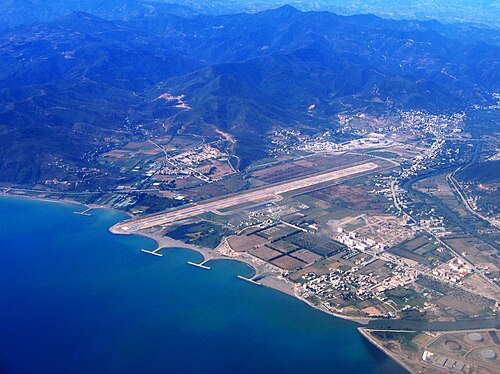
Abane Ramdane†
FLN Leader & Strategist • Algeria
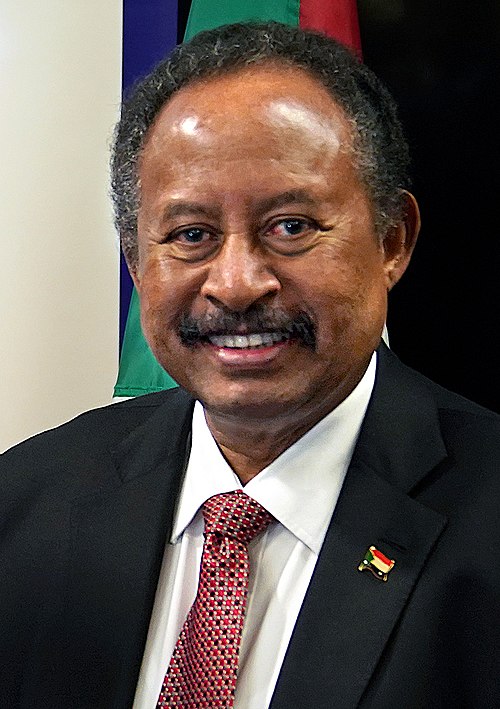
Abdalla Hamdok
Ex-Prime Minister • Sudan
Abdallah Kigoda
Ex-Minister of Natural Resources • Tanzania