Biography
Introduction: The Architect of the Justice and Equality Movement
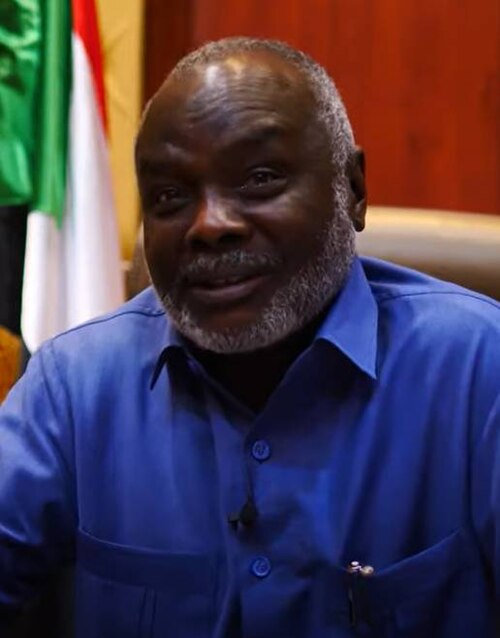
Khalil Ibrahim† stands as one of the most pivotal and controversial figures in modern Sudanese history. As the founder and longtime leader of the Justice and Equality Movement (JEM), he became the principal military and political face of the Darfur rebellion against the Sudanese government in Khartoum. His journey from a government insider to a formidable rebel commander encapsulates the deep-seated ethnic, political, and economic grievances that fueled the devastating conflict in Sudan's western region. Khalil Ibrahim's key achievement was transforming JEM into the most organized and potent rebel force in Darfur, challenging the central authority for nearly a decade and forcing the international community to confront the crisis. His life and death remain inextricably linked to the complex narrative of war, marginalization, and the struggle for power in Sudan.
Early Life & Education: Formative Years in Darfur and Beyond
Khalil Ibrahim was born in 1957 in the town of Tina, located in North Darfur, Sudan. He hailed from the Kobe branch of the Zaghawa ethnic group, a community that would later form a significant part of his rebel movement's support base. His early life was rooted in the socio-cultural fabric of Darfur, a region historically marginalized by successive central governments in Khartoum.
Ibrahim pursued higher education with distinction, earning a medical degree from the University of Gezira in 1981. He later obtained a Master's degree in Tropical Medicine from the University of Khartoum in 1991. This academic background in medicine positioned him not as a traditional military figure, but as an intellectual who understood the systemic failures affecting his region. His formative political experiences began within the system. In the 1990s, Khalil Ibrahim became a member of the National Islamic Front (NIF) regime of President Omar al-Bashir, serving as the Minister of Education and later as the Minister of Health and Social Welfare for the state of South Darfur. This insider role provided him with a clear view of the government's policies of neglect and discrimination against Darfur, which ultimately fueled his disillusionment and radical shift towards rebellion.
Career & Major Achievements: From Insider to Rebel Commander
Khalil Ibrahim's career is defined by a dramatic rupture. After leaving the government, he became a key figure in the underground Darfur Movement opposition. The catalyst for open rebellion was the government's failure to address the escalating violence in Darfur in the early 2000s. In 2003, alongside his brother Jibril and other Zaghawa leaders, he officially founded the Justice and Equality Movement (JEM). Unlike other rebel groups, JEM had a distinctly ideological foundation, influenced by the writings of Islamist thinker Hassan al-Turabi, with whom Ibrahim was once allied. The movement's manifesto, "The Black Book: Imbalance of Power and Wealth in Sudan," detailed the systematic exclusion of Darfur and other peripheral regions from power, providing an intellectual framework for the rebellion.
Military Campaigns and Political Maneuvering
Under Khalil Ibrahim's leadership, JEM quickly became the most militarily sophisticated rebel faction. His major achievements include:
- Launching daring military offensives, most notably the unprecedented assault on Omdurman, a suburb of Khartoum, in May 2008. This attack shocked the regime and demonstrated JEM's reach and capability.
- Maintaining JEM's cohesion as the strongest single rebel force throughout the mid-2000s, while other groups splintered.
- Engaging in high-profile negotiations with the government, such as the 2009 ceasefire agreement in Doha, though these often collapsed.
- Successfully evading numerous government assassination and capture attempts for nearly a decade, becoming a symbol of resilient resistance.
His impact on the Politics & Government of Sudan was profound. The war he helped initiate led to the deployment of a hybrid UN-AU peacekeeping mission (UNAMID), international arrest warrants for Sudanese officials on genocide charges, and a permanent reshaping of Sudan's security dynamics. Khalil Ibrahim forced the issue of Darfur onto the global agenda.
Challenges and Setbacks
Despite his successes, Ibrahim's career was marked by challenges. JEM was often criticized for its limited ethnic base and its fraught relations with other rebel groups like the Sudan Liberation Movement (SLM). The movement also faced relentless military pressure from the Sudanese Armed Forces and their allied Janjaweed militias. Furthermore, his ideological pivot from Islamist insider to rebel leader created complex relationships with former allies in Khartoum and abroad.
Personal Life, Legacy, and Death
Outside of his revolutionary persona, Khalil Ibrahim was known as a deeply religious man and a strategic thinker. His personal interests were largely subsumed by the cause of Darfur. He was married and had children, with his family reportedly living abroad for safety during the conflict. While not known for philanthropy in a traditional sense, his entire political struggle was framed as a fight for justice and equitable development for the marginalized people of Darfur and Sudan at large.
The legacy of Khalil Ibrahim is complex and dual-edged. To his supporters, he is a martyr who died fighting against tyranny and for the rights of the oppressed. He is remembered as a charismatic leader who gave a voice and a powerful army to the people of Darfur. To his detractors, including the Khartoum government and some rival factions, he was an opportunist whose rebellion exacerbated a humanitarian catastrophe resulting in hundreds of thousands of deaths and millions displaced.
Khalil Ibrahim's life ended on December 25, 2011, when Sudanese government forces claimed to have killed him in an airstrike in North Kordofan state. His death created a significant power vacuum within JEM and marked the end of an era for the Darfur rebellion, which subsequently fragmented further. His lasting impact is the indelible mark he left on Sudan's trajectory, ensuring that the demands of Darfur could never again be ignored by any central government.
Net Worth & Business Ventures
As the leader of a rebel movement engaged in a protracted war, traditional metrics of net worth and business ventures do not apply to Khalil Ibrahim† in a conventional sense. His "wealth" and resources were directed toward sustaining JEM's military and political campaign. The financing of the movement was a subject of much speculation and investigation. Primary sources of support are believed to have included:
- Internal fundraising from the Zaghawa diaspora and communities in Darfur and Chad.
- Control over and taxation of trade routes and resources in areas under JEM influence.
- Alleged external support from regional actors, though specific details remain largely unverified in open sources.
There is no credible public record of Khalil Ibrahim holding personal business assets or a quantifiable personal net worth. His life was dedicated to the political and military cause of JEM, and his resource base was intrinsically tied to the movement's fortunes and its control of territory during the conflict years.
Note: This biography is constructed based on historical reporting and analysis of the Darfur conflict from reputable international news agencies and conflict research organizations. Due to the nature of the subject and the environment of war, some details may be contested. The dagger symbol (†) denotes that the subject is deceased.
Frequently Asked Questions
What is Khalil Ibrahim†'s estimated net worth?
Net worth details for Khalil Ibrahim† are currently being updated.
What is Khalil Ibrahim†'s role and nationality?
Khalil Ibrahim† is a JEM Founder from Sudan.
How did Khalil Ibrahim† make their money?
Khalil Ibrahim† built their fortune primarily through Khalil Ibrahim was the founder of the Darfur rebel group Justice and Equality Movement (JEM), not a business figure, and was killed in 2011; no credible sources report a personal net worth..
How old is Khalil Ibrahim†?
Khalil Ibrahim† was born in 1957 (69 years old).
Which category is Khalil Ibrahim† listed under?
Khalil Ibrahim† is featured under the Politics & Government category on NetWorth Africa.
How is Khalil Ibrahim†'s net worth calculated?
NetWorth Africa estimates financial valuations using publicly available stock equity holdings, company ownership records, real estate assets, and verified market data.
Net Worth Analysis
Khalil Ibrahim was the founder of the Darfur rebel group Justice and Equality Movement (JEM), not a business figure, and was killed in 2011; no credible sources report a personal net worth.
Quick Stats
Related People
Aaron Motsoaledi
LP; Minister of Home Affairs • South Africa
Abane Ramdane†
FLN Leader & Strategist • Algeria
Abdalla Hamdok
Ex-Prime Minister • Sudan
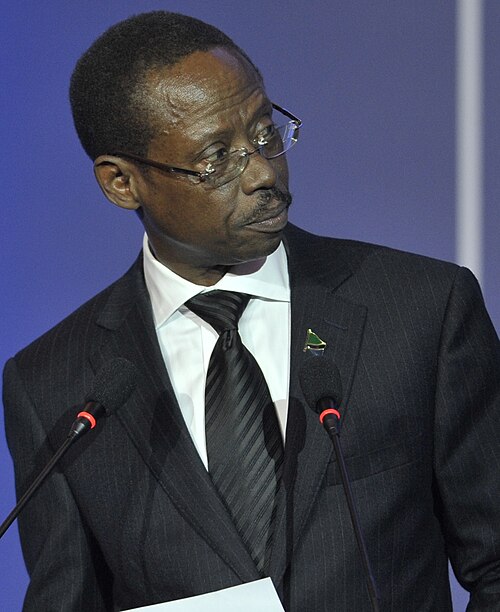
Abdallah Kigoda
Ex-Minister of Natural Resources • Tanzania