
$5M
Estimated Net Worth
As of 2024 • medium confidence
Financial Breakdown
Asset Distribution
Assets vs Liabilities
Assets
Liabilities
Disclaimer: These financial estimates are based on publicly available information and should be considered approximate. Last updated: 12/31/2025
Biography
Introduction: The Voice of a Nation
Latifa, often hailed as the "Diva of Arab Pop", stands as one of the most influential and beloved voices to emerge from Tunisia and the broader Arab world. Born in 1961, her career, spanning over four decades, is a testament to her powerful vocals, emotional depth, and ability to evolve with the times while staying true to her artistic roots. More than just a pop singer, Latifa has become a cultural icon, representing resilience, elegance, and the rich musical heritage of the Entertainment scene in the Tunisia and the Middle East. Her key achievement lies in her unprecedented longevity and consistent relevance, selling millions of records worldwide and performing to packed arenas from North Africa to Europe and beyond. Latifa's music, often blending traditional Arabic melodies with contemporary pop and orchestral arrangements, has soundtracked the lives of generations, making her a permanent fixture in the pantheon of Arab music greats.
Early Life & Education: The Foundations of a Star
Latifa was born in 1961 in the coastal city of Manouba, near Tunis, the capital of Tunisia. From a very young age, her exceptional vocal talent was apparent. Growing up in a culturally rich environment, she was deeply influenced by the classic Arab musical legends like Umm Kulthum and Abdel Halim Hafez, as well as by Western pop and musical theater. This diverse auditory diet helped shape her unique artistic identity. Her family recognized her gift early on, and she began performing in local events and school functions, quickly gaining a reputation as a child prodigy.
Her formal foray into music began with rigorous training. Determined to hone her craft, Latifa enrolled at the Tunis Conservatory, where she studied classical Arabic music theory, maqam (modal system), and vocal techniques. This formal education provided her with a solid technical foundation that would later distinguish her from many of her contemporaries. The discipline of the conservatory, combined with her innate talent, prepared her for the demanding career ahead. By her late teens, she was ready to step onto a larger stage, armed with a powerful voice and a deep understanding of her musical heritage, poised to reinterpret it for a modern audience.
Career & Major Achievements: A Meteoric Rise to Stardom
Latifa's professional breakthrough came in the early 1980s. After winning a prestigious local singing competition, she caught the attention of prominent composers and producers. Her debut album released in the mid-80s established her as a fresh new voice in the Arabic music scene. However, it was in the 1990s that her career skyrocketed to pan-Arab superstardom. Albums like "Mawtaz El Dounia" (1994) and "Hallawel" (1996) became cultural phenomena. The latter, in particular, featured the mega-hit "Maw'oud" (The Promised One), which remains one of her signature songs and a staple at weddings and celebrations across the Arab world.
International Acclaim and Artistic Evolution
Unlike many regional stars, Latifa successfully crossed over to international audiences. She performed in legendary venues like the Olympia in Paris and London's Royal Albert Hall, showcasing Arab pop to European crowds. Her collaboration with French composer Jean-Claude Petit on the album "Les Nuits" (2000) was a landmark fusion of Arabic vocals with Western symphonic arrangements, earning her critical acclaim and new fans. Throughout the 2000s and 2010s, she continued to release hit albums, including "Hobbak Msafar" (2004) and "Fi Eshq El Hayat" (2017), demonstrating an ability to adapt to evolving musical trends while maintaining her core sound.
Awards and Recognition
Latifa's trophy cabinet is a reflection of her immense impact. She has received numerous awards, including:
- Multiple World Music Awards for Best-Selling Middle Eastern Artist.
- The Murex d'Or award (Lebanon) on several occasions for Best Arab Female Artist.
- Recognition from the Arab Music Academy for her contributions to the arts.
- Her status as a cultural ambassador for Tunisia is widely acknowledged, and she is often featured in international media as a representative of modern Arab culture.
Her major achievements are not just commercial; they are cultural. She broke barriers for female artists in the region, often addressing themes of love, empowerment, and social issues with grace and strength. Latifa's voice became synonymous with emotional authenticity, capable of conveying profound joy and deep melancholy with equal power.
Personal Life & Legacy: Beyond the Stage
Latifa has always maintained a relatively private personal life, skillfully separating her public persona from her family world. She is a devoted mother, and this aspect of her life is a source of great personal joy and stability. Her elegance and poised demeanor off-stage have contributed to her image as a respected and dignified figure in the entertainment industry. In her personal time, she is known to have a deep appreciation for literature and the visual arts.
Her philanthropic efforts, though not widely publicized, are significant. Latifa has been involved in various charitable causes, particularly those focused on children's health and education in the Arab world. She has performed in and donated to benefit concerts for humanitarian crises, using her fame to support those in need. The legacy of Latifa is multifaceted. She paved the way for a new generation of Arab female pop singers, proving that artistic integrity and massive commercial success are not mutually exclusive. She modernized Arabic pop music without diluting its soul, introducing it to global audiences. For Tunisians, she is a source of immense national pride—a homegrown talent who conquered the world. Her vast discography serves as a living archive of contemporary Arab emotion and experience, ensuring that her voice will resonate for decades to come.
Net Worth & Business Ventures
With a career spanning over 40 years filled with chart-topping albums, sold-out world tours, and numerous endorsements, Latifa has built a substantial financial portfolio. While exact figures are often private estimates, her net worth is consistently reported to be in the range of tens of millions of dollars. This wealth is primarily derived from her monumental success in the music industry. Revenue streams include:
- Record Sales: Millions of physical albums and digital downloads across the Arab world and diaspora.
- Concert Tours: Highly lucrative tours that consistently sell out major venues.
- Endorsements: Long-term partnerships with prestigious brands, particularly in the beauty, fashion, and telecommunications sectors within the Middle East.
While primarily focused on her artistic output, Latifa has also made astute business decisions. She has invested in real estate and holds the rights to a significant portion of her master recordings, a move that guarantees ongoing royalty income. Her brand is synonymous with quality and sophistication, making any business association with her name highly valuable. Latifa's financial success is a direct result of her unparalleled career and smart management, solidifying her status not just as an artistic icon but as a formidable figure in the business of entertainment.
Net Worth Analysis
Latifa is a successful Tunisian pop singer with a long career, but she is not a business mogul and is not listed on any major wealth ranking like Forbes.
Quick Stats
Related People

2Baba (Innocent Idibia)
Veteran Artist & Activist

Aar Maanta
Singer & Composer

Abdel Aziz al-Mubarak
Oud Master
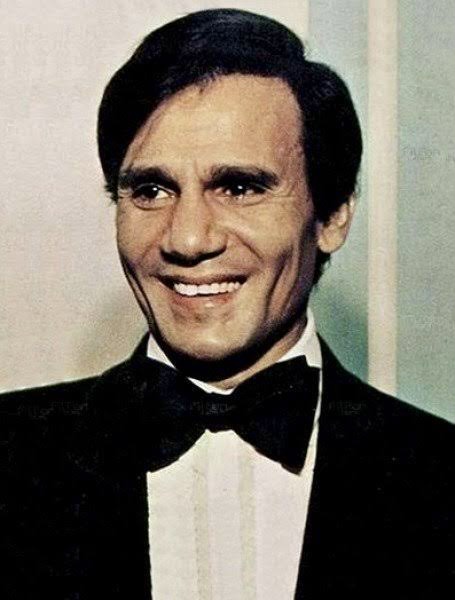
Abdel Halim Hafez†
Legend; “Nightingale”; “The Dark-Skinned Nightingale”