$1M
Estimated Net Worth
As of 2024 • medium confidence
Financial Breakdown
Asset Distribution
Assets vs Liabilities
Assets
Disclaimer: These financial estimates are based on publicly available information and should be considered approximate. Last updated: 12/30/2025
Biography
Introduction: A Pioneering Leader
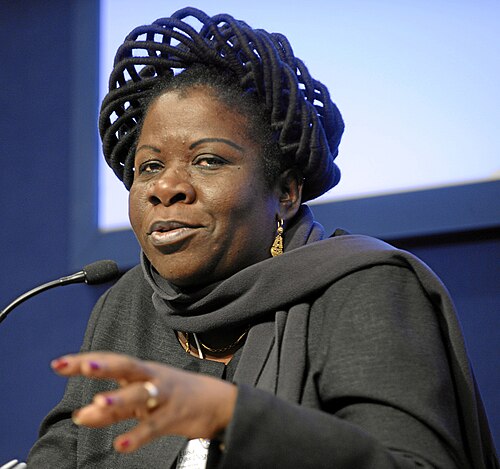
Luísa Dias Diogo stands as a monumental figure in the modern political history of Africa. Renowned as the first and, to date, only woman to hold the position of Prime Minister of Mozambique, her tenure from 2004 to 2010 was a period of significant economic growth and post-war reconstruction. Appointed by President Joaquim Chissano and later retained by his successor, President Armando Guebuza, Luísa Diogo was not merely a symbolic appointment but a formidable technocrat and economist who steered the nation's cabinet with a focus on poverty reduction, fiscal discipline, and international diplomacy. Her leadership cemented her status as one of the most influential women in African Politics & Government, breaking gender barriers and setting a precedent for female leadership in the Executive Cabinet of Mozambique and beyond.
Early Life & Education: Foundations of a Technocrat
Born on April 11, 1958, in the remote district of Tete, Mozambique, then under Portuguese colonial rule, Luísa Diogo's early life was shaped by the backdrop of the struggle for independence. Her formative years coincided with the Mozambican War of Independence, which culminated in the nation's freedom in 1975. Demonstrating academic prowess, she pursued higher education in economics, a field that would define her career. She earned a degree in Finance from Eduardo Mondlane University in Maputo, the nation's premier institution.
Her quest for expertise led her abroad, where she completed a postgraduate course in Development Economics at the University of London's School of Oriental and African Studies (SOAS). This educational foundation in finance and development economics equipped Luísa Diogo with the analytical tools necessary to address Mozambique's complex economic challenges, blending academic theory with the pragmatic needs of a developing nation. Her early professional steps were taken not in the political arena, but within the financial sector, where she honed her skills in fiscal management and policy formulation.
Career & Major Achievements: From Economist to Prime Minister
Luísa Diogo's career trajectory is a testament to expertise ascending to the highest levels of power. Before entering the Executive Cabinet, she spent nearly two decades as a technocrat, primarily within Mozambique's Ministry of Planning and Finance. Her deep understanding of the country's financial systems and her work with international institutions like the World Bank and the International Monetary Fund (IMF) built her reputation as a competent and reliable manager.
Rise to Prominence
Her political ascent began in 1999 when she was appointed Deputy Minister of Planning and Finance. By 2003, she had risen to the full ministerial position, where she played a crucial role in managing Mozambique's debt relief process under the Heavily Indebted Poor Countries (HIPC) initiative. This success paved the way for her historic appointment. On February 17, 2004, President Joaquim Chissano named her as the successor to Prime Minister Pascoal Mocumbi, making her the first woman to lead the Mozambican government.
Tenure as Prime Minister (2004-2010)
As Prime Minister of Mozambique, Luísa Diogo's administration was marked by several key achievements:
- Sustained Economic Growth: She presided over a period of consistent GDP growth, often exceeding 7% annually, driven by foreign investment, donor support, and emerging sectors like aluminium production from the Mozal smelter.
- Poverty Reduction Strategy: She was the chief implementer of Mozambique's Plan of Action for the Reduction of Absolute Poverty (PARPA), which guided national policy and helped secure substantial international development aid.
- Post-War Reconstruction & Stability: Her tenure continued the peace and stability following the 1992 Rome General Peace Accords, focusing on national reconciliation and infrastructure development.
- Gender Advocacy: As a high-profile female leader, she actively advocated for women's participation in politics and the economy, inspiring a generation of women in Mozambique and across Africa.
- International Diplomacy: She effectively represented Mozambique on the global stage, maintaining strong relationships with key donors and multilateral institutions crucial for the country's development budget.
After the 2009 elections, she continued as Prime Minister under President Armando Guebuza until January 2010, when she stepped down as part of a cabinet reshuffle, concluding a six-year tenure that left a lasting imprint on the nation's governance.
Personal Life, Legacy & Lasting Impact
Outside the demanding sphere of Politics & Government, Luísa Diogo is known to value a private family life. She is married and a mother, having balanced the immense responsibilities of national leadership with her personal roles. Her journey from a young girl in Tete to the pinnacle of power serves as a powerful narrative of possibility in Mozambique.
Her legacy is multifaceted. Technocratically, she demonstrated that sound economic management and fiscal responsibility are pillars of successful governance. Politically, she shattered a formidable glass ceiling, proving that women could not only hold but excel in the highest executive offices in a traditionally male-dominated field. Her legacy continues through the increased, though still evolving, participation of women in Mozambican politics. Post-premiership, Luísa Diogo has remained active in international development circles. She has served on prestigious global panels, including the United Nations Secretary-General's High-Level Panel on the Post-2015 Development Agenda, where she contributed to shaping what would become the UN's Sustainable Development Goals (SDGs). She also holds positions on the boards of several international organizations and corporations, focusing on development, extractive industries governance, and women's leadership.
Net Worth & Post-Political Career
As a former head of government and a figure with extensive experience in international finance and development, Luísa Diogo has built a career that extends beyond public service. Specific details regarding her personal net worth are not publicly disclosed, as is common with many former political leaders in the region. However, her financial standing is understood to be derived from a combination of her state pension, salaries from her time in high-ranking ministerial and prime ministerial offices, and her current roles in the corporate and non-profit sectors.
Since leaving the office of Ex-Prime Minister, she has leveraged her expertise as an independent non-executive director and advisor. Notably, she has served on the board of directors for major multinational companies such as BP plc and Vale S.A., where her insights into African economies, governance, and sustainable development are highly valued. These positions, alongside her ongoing work with UN agencies and development foundations, constitute her primary professional and business engagements, allowing her to continue influencing policy and economic development on a global scale.
This biography of Luísa Diogo is compiled from reputable public sources including UN profiles, World Bank archives, and historical records of the Government of Mozambique.
Net Worth Analysis
As a former public servant and Prime Minister of Mozambique, her wealth is derived from a career in government and post-political roles, not from major business ownership, placing her in the millionaire range.
Quick Stats
Related People
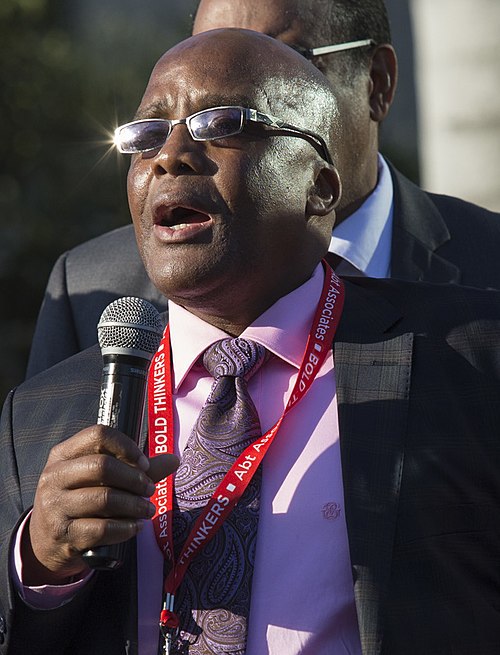
Aaron Motsoaledi
LP; Minister of Home Affairs
Abane Ramdane†
FLN Leader & Strategist
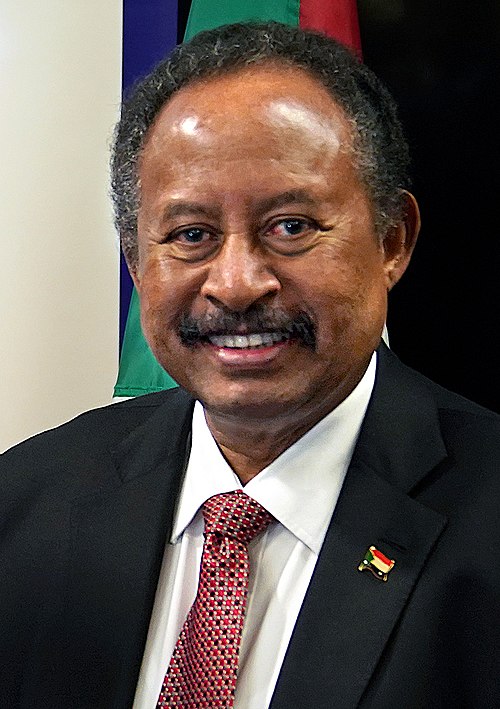
Abdalla Hamdok
Ex-Prime Minister
Abdallah Kigoda
Ex-Minister of Natural Resources