$5M
Estimated Net Worth
As of 2024 • low confidence
Financial Breakdown
Asset Distribution
Assets vs Liabilities
Assets
Disclaimer: These financial estimates are based on publicly available information and should be considered approximate. Last updated: 12/31/2025
Biography
Introduction: The Voice of a Nation
In the pantheon of Somali entertainment, one name reigns supreme: Magool†. Born Halima Khaliif Omar in 1948, the artist known as Magool, meaning "flower," blossomed into the undisputed Queen of Somali Music. Her career, spanning from the late 1960s until her untimely passing in 2004, defined an era and gave voice to the soul of a nation. Renowned for her powerful, emotive vocals and sophisticated artistry, Magool† transcended mere performance to become a cultural icon. Her key achievement lies not just in her vast discography but in her pivotal role in elevating Somali music to new heights of professionalism and poetic depth, blending traditional Somali melodies with modern orchestration. She remains the benchmark for vocal excellence and artistic integrity in Somalia and across the Somali diaspora, her songs serving as anthems of love, patriotism, and social commentary.
Early Life & Education: The Budding of a Flower
Magool† was born in 1948 in the town of Odweyne, in the Togdheer region of northern Somalia. From a young age, her extraordinary vocal talent was evident. Her family recognized her gift and, in a significant move that shaped her future, relocated to the city of Hargeisa to provide better opportunities for her education and artistic development. Hargeisa was a cultural hub, and it was here that the young Halima began to immerse herself in music.
Her formal education was combined with an informal, rigorous apprenticeship in Somali musical tradition. She studied the complex nuances of Somali poetry, the foundation of all classic Somali songwriting. This deep understanding of maanso (poetry) would later set her apart from her contemporaries. In the mid-1960s, a pivotal moment arrived when she successfully auditioned for the Hargeisa-based Waberi group, the nation's premier theatrical and musical troupe. Waberi, which means "dawn," was a breeding ground for the country's most talented artists. It was within this collective that Magool† received her professional training, honing her stage presence and collaborating with legendary poets and composers like Abdullahi Qarshe and Mohamed Mooge Liibaan. This period was her true formative education, transforming raw talent into refined artistry.
Career & Major Achievements: The Reign of a Queen
Magool†'s career ascended rapidly in the late 1960s and early 1970s, a period often considered the golden age of Somali music. After her time with Waberi, she became a leading figure in the Mogadishu music scene, recording with the state-owned Radio Mogadishu and the Somali National Orchestra. Her voice became a daily feature in households across the nation.
Artistic Evolution and Signature Style
Magool’s artistry was characterized by several key elements:
- Poetic Fidelity: She was renowned for her masterful interpretation of sophisticated Somali poetry, giving emotional life to every word.
- Vocal Power and Control: Her voice possessed a unique combination of strength, clarity, and delicate nuance, capable of conveying profound sorrow or exuberant joy.
- Musical Innovation: While rooted in tradition, she embraced modern arrangements, working with large orchestras that included violins, accordions, and drums, thus modernizing the Somali sound without losing its essence.
Iconic Songs and National Impact
Her discography includes some of the most beloved songs in Somali history. Tracks like "Hagarlaawe" (a poignant love song), "Bilaadgii Ugu Dheereeyey" (celebrating Somali history), and "Guba" became, and remain, cultural touchstones. During the 1977 Ogaden War, her patriotic songs, such as "Hal leeyahay waa hibo," galvanized the nation, cementing her role not just as an entertainer but as a national figure. Her ability to capture the collective sentiment of the Somali people, whether in times of joy, love, or struggle, was unparalleled.
International Recognition and Exile
The outbreak of the Somali Civil War in the early 1990s forced Magool†, like millions of her compatriots, into exile. She settled in the Netherlands, but her artistry did not dim. This period saw the release of one of her most critically acclaimed works, the 1997 album "Qaylodhaan." Recorded in Stockholm with top Somali musicians in diaspora, the album was a testament to her enduring creativity and a gift to a dispersed nation longing for cultural connection. It proved that the Queen of Somali Music continued to innovate and inspire, even from afar.
Personal Life, Legacy, and Philanthropy
Despite her immense fame, Magool† was known to be a private and dignified individual, deeply devoted to her family. Her public persona was one of grace and elegance, mirroring the refinement of her music. While specific details of her philanthropic work are less documented than her artistic output, her life in exile was marked by a profound commitment to her community. She was a pillar for the Somali diaspora in Europe, offering support and using her influence to uplift others. Her home was often a gathering place for artists and intellectuals, and she actively mentored younger musicians, ensuring the continuity of the artistic traditions she helped perfect.
The legacy of Magool† is immense and multifaceted. She passed away on March 19, 2004, in Amsterdam, leaving a void that has yet to be filled. Her legacy lives on through:
- An Immortal Catalog: Her songs are played daily on Somali radio stations worldwide and are essential at weddings, celebrations, and cultural events.
- A Standard of Excellence: Every aspiring Somali female singer is measured against the vocal and artistic benchmark set by Magool.
- Cultural Preservation: In a nation fractured by conflict, her music remains a unifying force, a common language of beauty and shared memory for all Somalis.
- Inspiration: She paved the way for artists to address social issues and express complex emotions with sophistication, elevating the role of the musician in Somali society.
Net Worth, Business, and Lasting Value
Quantifying the net worth of an icon like Magool† in modern financial terms is challenging, as her peak career years preceded the era of global digital music royalties and were centered in a pre-civil war Somalia. Her primary income derived from state radio performances, live concerts, and cassette sales, which were widely distributed across the Horn of Africa and the diaspora. While not a business mogul in the conventional sense, her "business" was the cultivation of Somali cultural capital. The true value she generated is immeasurable and persists in the collective cultural wealth of the Somali people. In exile, her recordings continued to sell within diaspora communities, providing sustenance. Today, her estate's value lies in the enduring demand for her music; her songs are digitally preserved, streamed, and shared, ensuring that her artistic contributions continue to resonate and support her legacy. The business of being the Queen of Somali Music was one of cultural stewardship, an investment in national identity that has yielded infinite returns for Somali entertainment.
In conclusion, Magool† was more than a singer; she was the sonic embodiment of a nation's heart. From her early days in Hargeisa to her reign in Mogadishu and her reflective years in exile, she used her unparalleled voice to narrate the Somali experience. As the definitive Queen of Somali Music, her biography is not merely a record of a life lived, but a essential chapter in the story of Somalia itself. Her flower continues to bloom in the hearts of millions.
Net Worth Analysis
Magool was a legendary but not commercially mainstream artist from a region with limited monetization of music during her peak career, so a multi-million dollar estate from royalties and legacy is estimated.
Quick Stats
Related People

2Baba (Innocent Idibia)
Veteran Artist & Activist

Aar Maanta
Singer & Composer

Abdel Aziz al-Mubarak
Oud Master
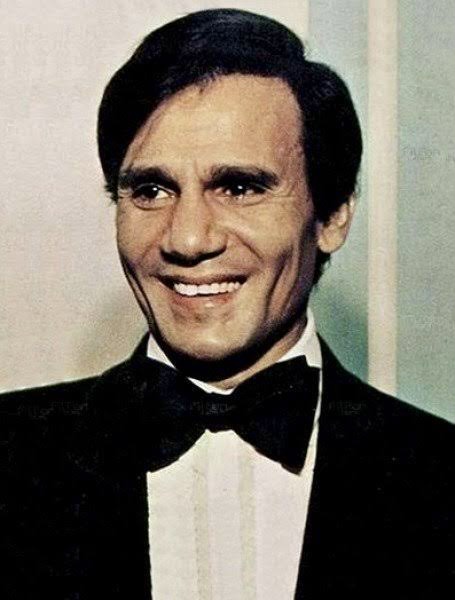
Abdel Halim Hafez†
Legend; “Nightingale”; “The Dark-Skinned Nightingale”