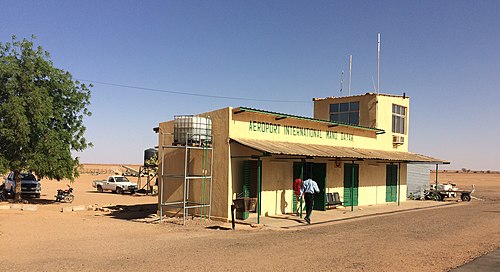
Biography
Introduction: The Voice of the Tuareg
Mano Dayak† stands as one of the most pivotal and charismatic figures in the modern history of the Tuareg people and the nation of Niger. As a Tuareg leader, his life was a profound journey from nomadic herder to international negotiator, embodying the struggle of his people for recognition, justice, and autonomy in the post-colonial Sahara. Born into the Ifoghas noble tribe around 1949 in the arid plains of northern Niger, Dayak's legacy is defined by his transformation from a militant revolutionary into a key architect for peace. His most notable achievement was leading the Front de Libération du Tamoust (FLT) and, critically, negotiating the landmark 1995 peace accords that ended a bloody civil war between Tuareg rebels and the government of Niger. Mano Dayak† remains a symbol of Tuareg resilience, a skilled diplomat who brought the plight of the "Blue People of the Desert" to the global stage.
Early Life & Education: From the Sahara to the Sorbonne
The early years of Mano Dayak† were rooted in the traditional nomadic culture of the Kel Aïr mountains and the Tenere desert. This upbringing instilled in him a deep connection to the Tuareg way of life, its codes of honor, and an intimate understanding of the Sahara's harsh beauty and strategic importance. His initial education was informal, based on oral traditions, Quranic learning, and the survival skills essential for desert life. However, his intellectual curiosity and leadership potential were evident from a young age.
A significant turning point came when he gained the opportunity to pursue formal education abroad—a rare path for a Tuareg of his generation. He traveled to France, where he studied at the prestigious Sorbonne University in Paris, earning a degree in anthropology. This academic experience was formative; it equipped him with the analytical tools to understand colonialism, ethnic politics, and international law, while simultaneously sharpening his awareness of the marginalization his people faced back home. He later continued his studies in the United States, further broadening his worldview. This unique dual identity—as a man of the desert and a man of the world—would become the cornerstone of his future career in Politics & Government. He returned to Niger not as an outsider, but as a bridge between cultures, determined to use his knowledge to advocate for Tuareg rights.
Career & Major Achievements: The Path from Rebellion to Reconciliation
The career of Mano Dayak† is a chronicle of the Tuareg struggle in the late 20th century. The severe droughts of the 1970s and 80s, coupled with persistent political neglect and economic exclusion by the central governments in Niamey and Bamako, created a tinderbox. In response, Dayak emerged as a leading voice for armed resistance. He co-founded and led the Front de Libération du Tamoust (FLT), becoming a key military and political leader in the Tuareg rebellion that erupted in 1990.
Military Leadership and International Advocacy
Unlike many rebel commanders, Mano Dayak† understood that the war would ultimately be won through diplomacy and international pressure. He leveraged his fluency in French, English, and Tamasheq to become the eloquent global ambassador for the Tuareg cause. He traveled extensively, meeting with foreign officials, journalists, and human rights organizations to explain the roots of the conflict. His argument was compelling: the Tuareg were not seeking secession, but rather integration into their national economies with respect for their cultural identity and a fair share of resources from the mineral-rich lands they inhabited.
The 1995 Peace Accords: A Legacy of Peace
Dayak's greatest accomplishment was his pivotal role in ending the conflict. Exhausted by war, both the Tuareg factions and the government of Prime Minister Hama Amadou sought a negotiated solution. Mano Dayak†, respected by all sides, was instrumental in this process. He was a chief signatory to the 1995 Peace Accords, signed in Ouagadougou, Burkina Faso. These agreements promised:
- Decentralization of power and the creation of new administrative regions in the north.
- Integration
- Economic development programs for the long-neglected Saharan regions.
- A special status recognizing the unique cultural heritage of the Tuareg people.
Tragic End and Unfinished Work
Just as the peace he helped build was taking root, tragedy struck. On December 15, 1995, the aircraft carrying Mano Dayak† and several French officials crashed under mysterious circumstances in the Tenere desert while en route to a peace ceremony. His death at the age of approximately 46 sent shockwaves through the Sahel. While the official cause was attributed to a sandstorm, many suspicions of sabotage lingered, highlighting the deep tensions that remained. His passing left a immense void in Tuareg leadership and the ongoing process of implementing the peace agreements.
Personal Life & Legacy: The Enduring Symbol
Beyond the political sphere, Mano Dayak† was known as a man of deep cultural pride. He was a compelling storyteller, drawing on Tuareg history and poetry to articulate his people's aspirations. His personal charisma and ability to connect with individuals from all walks of life—from fellow nomads to foreign diplomats—were legendary. While much of his life was consumed by the struggle, he was also a family man, whose personal sacrifices were immense.
The legacy of Mano Dayak† is multifaceted. He is remembered as:
- The Father of the Tuareg Peace: The 1995 accords remain the cornerstone of Tuareg-government relations in Niger.
- A Cultural Icon: He elevated Tuareg identity and issues onto the world stage, inspiring a new generation of activists and leaders.
- A Cautionary Tale: His untimely death underscores the perils of mediation and the fragility of peace processes in the region.
Net Worth & Business Ventures
Unlike traditional political figures, Mano Dayak†'s life was not defined by personal wealth or business accumulation. His "capital" was primarily social and political. As a leader of a rebel movement and later a peace negotiator, his resources were dedicated to the cause. Any financial aspects of his life were intrinsically tied to funding the FLT's activities and sustaining the diplomatic efforts required for peace talks. There are no credible records or estimates of a personal net worth for Mano Dayak†. His primary venture was the political and military struggle of the Tuareg people, and his enduring "business" was the pursuit of peace and integration for his community within the nation of Niger. His wealth lies in his lasting legacy as a unifier and a symbol of a people's aspiration for dignity and self-determination.
Frequently Asked Questions
What is Mano Dayak†'s estimated net worth?
Net worth details for Mano Dayak† are currently being updated.
What is Mano Dayak†'s role and nationality?
Mano Dayak† is a Tuareg Leader from Niger.
How did Mano Dayak† make their money?
Mano Dayak† built their fortune primarily through Mano Dayak was a political and cultural leader, not a business figure, and he died in 1995, so he has no personal net worth in 2024..
How old is Mano Dayak†?
Mano Dayak† was born in 1949 (77 years old).
Which category is Mano Dayak† listed under?
Mano Dayak† is featured under the Politics & Government category on NetWorth Africa.
How is Mano Dayak†'s net worth calculated?
NetWorth Africa estimates financial valuations using publicly available stock equity holdings, company ownership records, real estate assets, and verified market data.
Net Worth Analysis
Mano Dayak was a political and cultural leader, not a business figure, and he died in 1995, so he has no personal net worth in 2024.
Quick Stats
Related People

Aaron Motsoaledi
LP; Minister of Home Affairs • South Africa

Abane Ramdane†
FLN Leader & Strategist • Algeria

Abdalla Hamdok
Ex-Prime Minister • Sudan

Abdallah Kigoda
Ex-Minister of Natural Resources • Tanzania